Understanding Eye Pressure: What It Means for Glaucoma Risk
Understanding Eye Pressure: What It Means for Glaucoma Risk

Understanding eye pressure, or intraocular pressure (IOP), is important for protecting your vision. IOP considerably affects the development and progression of glaucoma, a leading cause of vision loss across the globe. We encourage patients to learn how elevated eye pressure affects eye health and to prioritize routine eye exams to enable early detection and prevention.
What Is Eye Pressure?
Eye pressure is the fluid pressure inside the eye. The eye produces aqueous humor, a clear fluid that nourishes and maintains its shape. When this fluid does not drain efficiently, pressure can build up inside the eye.
Some pressure is necessary for healthy eye function, but elevated eye pressure can damage the optic nerve over time. Optic nerves transmit visual signals to the brain, and damage to them is frequently associated with glaucoma.
How Eye Pressure Relates to Glaucoma
Glaucoma is a range of eye diseases that gradually damage the optic nerve, often without early symptoms. Increased intraocular pressure is a large risk factor, especially for open-angle glaucoma, the most common type.
Rising eye pressure stresses the optic nerve fibers. Without treatment, this damage can cause permanent vision loss. Because glaucoma develops slowly and painlessly, many people do not notice it until vision changes occur.
Common signs of advanced glaucoma may include:
● Gradual loss of peripheral vision
● Blurred vision
● Difficulty adjusting to low light
● Eye pain or pressure in certain cases
● Halos around lights
Early detection is important, as vision loss from glaucoma cannot be reversed.
Who Is at Higher Risk?
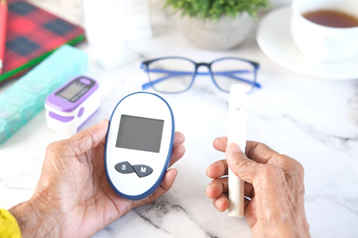
Anyone can develop glaucoma, but certain factors increase risk. People over 60, people with a family history, and people with diabetes or high blood pressure are more likely to experience elevated eye pressure and optic nerve damage.
Additional risk factors include:
● Thin corneas
● Previous eye injuries
● Long-term steroid medication use
● Severe nearsightedness or farsightedness
● African American or Hispanic heritage
Knowing your personal risk factors helps you stay proactive about your eye health.
How Eye Pressure Is Measured
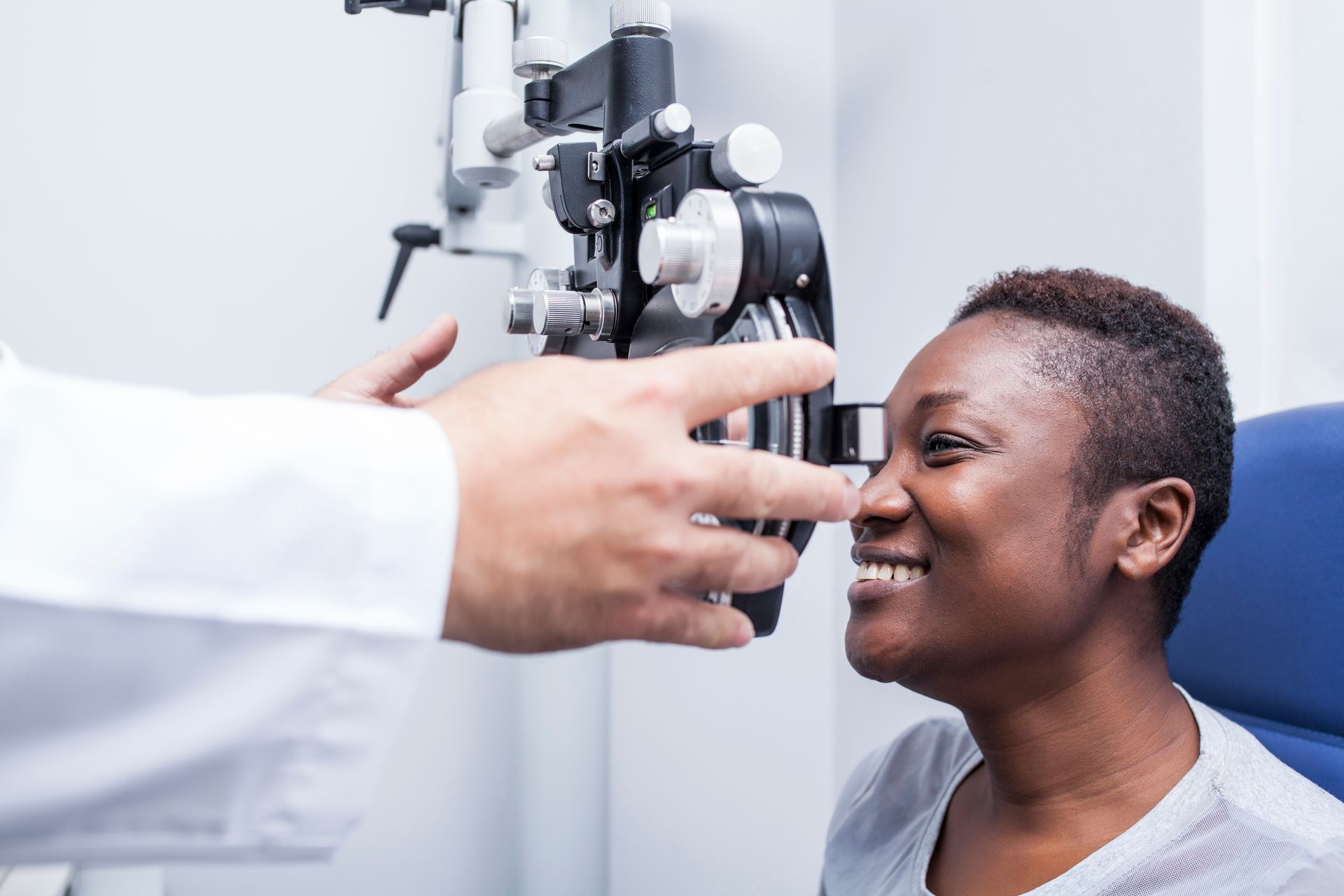
During a comprehensive eye exam, your doctor measures intraocular pressure with a painless test called tonometry. This quick test determines if your eye pressure is within a healthy range.
Our specialists also examine the optic nerve and assess peripheral vision to detect early signs of glaucoma. Because eye pressure alone does not always indicate glaucoma, a thorough evaluation is necessary for precise diagnosis and treatment planning.
Managing Eye Pressure and Protecting Vision
The good news is that elevated eye pressure and glaucoma can often be managed effectively when detected early. Treatment options include prescription eye drops, laser therapy, or surgical procedures to improve fluid drainage and reduce pressure.
Healthy lifestyle habits may also support long-term eye health, including:
● Attending routine eye exams
● Handling chronic health conditions
● Exercising regularly
● Protecting your eyes from injury
● Following prescribed treatment plans carefully
Consistent monitoring is among the most effective ways to preserve vision.
Focus on Your Eye Health
Understanding eye pressure helps reduce your glaucoma risk and protect your vision. Since glaucoma can develop without warning, periodic eye exams are key to early identification and treatment.
If you have concerns about eye pressure or are due for an exam, contact us today. Our team stays committed to supplying personalized, comprehensive eye care to help keep your vision healthy at every stage of life.