Are Headaches Linked to Your Eye Issues?
Are Headaches Linked to Your Eye Issues?
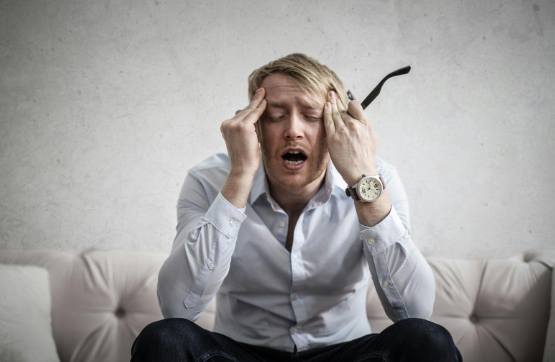
Most of us reach for a painkiller when a headache strikes, assuming it’s stress, dehydration, or lack of sleep. But what if the pain isn’t in your head, but it’s in your eyes? The connection between eye health and headaches is more common than many realize, and understanding it can often reveal simple, fixable causes behind chronic discomfort.
Here’s how your eyes might be behind those headaches, and what you can do about it.
1. The Overlooked Link Between Headaches and Vision
Eye-related headaches often begin subtly, as a dull ache behind the eyes after hours of reading, or as pressure that worsens with screen time. This happens when your eyes strain to focus due to uncorrected vision problems or fatigue in the muscles that control movement and focus.
Routine
vision exams are your first line of defense. They don’t just check how clearly you see; they also detect focusing problems, early signs of disease, and even changes in the optic nerve that can lead to recurring pain if left untreated. The sooner the cause is identified, the faster you can find relief, no painkillers required.
2. Digital Eye Strain
The screen-heavy lifestyle, causing digital eye strain (or computer vision syndrome), has become a leading reason behind tension headaches. Staring at devices for long hours makes your eyes work harder to focus and blink less often, leading to dryness and muscle fatigue.
If your headache hits after a day of scrolling or spreadsheets, screens may be the culprit. Adjusting lighting, following the 20-20-20 rule (look 20 feet away every 20 minutes for 20 seconds), and ensuring your glasses have blue-light protection can significantly reduce strain. Pairing these small changes with regular hydration and posture correction can make your workday a lot easier on your eyes and your head.
3. The Role of Refractive Errors
When your eyes are working overtime to compensate for refractive errors like nearsightedness, farsightedness, or astigmatism, headaches can quickly follow. These occur when light entering the eye doesn’t focus properly on the retina, forcing your visual system to constantly adjust.
Common signs include headaches that appear after reading, driving at night, or looking at distant objects for too long. Corrective lenses or contact prescriptions tailored to your exact needs can dramatically reduce both eye strain and the frequency of headaches. The right correction brings your world back into focus, clearly and comfortably.
4. Eye Muscle Imbalance
Even if your vision is clear, how your eyes work together matters. When the muscles that control both eyes are slightly misaligned (a condition known as binocular vision dysfunction), your brain has to work overtime to fuse two slightly different images into one.
This constant effort can lead to eyestrain, blurred vision, and frequent headaches, particularly after activities that require intense focus like reading or driving. Eye exercises, prism lenses, or other targeted therapies can help restore alignment and reduce this hidden source of tension. When your eyes move in sync, your entire visual system relaxes, and so does your mind.
5. Glaucoma and Eye Pressure Headaches
Headaches can also be a symptom of underlying
glaucoma, a condition where fluid buildup increases pressure inside the eye and gradually damages the optic nerve. Unlike tension headaches, these often come with eye pain, halos around lights, or nausea.
Since glaucoma progresses quietly, regular screening is essential, especially for adults over 40 or those with a family history of the condition. Managing eye pressure through medication or surgery not only preserves vision; it can also eliminate the associated headaches that stem from ocular stress.
6. Cataracts and Light Sensitivity
Changes in the eye’s natural lens, known as
cataracts, can scatter incoming light, making the world appear hazy or overly bright. This increased glare forces your eyes to strain for clarity, often leading to fatigue-induced headaches.
If you find yourself squinting in daylight or struggling with headlights at night, it might not be your environment but your lens. Cataract evaluation and surgery restore natural light balance, helping you see and feel better. Clearer vision often means fewer headaches, especially in bright settings.
7. The Cornea Connection
The
cornea, the eye’s clear outer surface, plays a key role in focusing light. When it’s irritated, whether from dryness, scarring, or inflammation, your eyes may reflexively squint or blink excessively to compensate, triggering headaches over time.
Simple steps like using lubricating drops, managing screen time, or treating underlying conditions such as keratitis can ease corneal stress. A healthy cornea not only sharpens vision but also prevents the chain reaction of discomfort that ends with a throbbing headache.
8. Eye Infections and Inflammation
Eye infections, allergies, or inflammatory conditions like uveitis can create pain that radiates around the eye and into the head. This is because the same nerves serve both the eyes and the surrounding areas of the face.
Prompt medical evaluation helps identify whether inflammation or infection is the root cause.
Timely use of medication or antibiotic drops can relieve both the eye condition and the headaches it triggers, reinforcing how closely eye health and head health are connected.
Seeing Relief Differently
Headaches and eye strain are a reminder that your vision deserves more attention than it usually gets. Pairing vision exams with good habits, regular breaks from screens, a balanced diet rich in omega-3s, and staying hydrated supports long-term eye and neurological health. Prevention may sound simple, but in eye care, it’s often the most powerful treatment of all.
Baptist Eye Surgeons are your trusted experts in complete vision and eye health care, combining precision, technology, and compassion to keep your eyes and head feeling their best.
Schedule a comprehensive eye exam with us today and discover how expert vision care can bring you lasting clarity, comfort, and peace of mind.