Contact Lens Safety: Best Practices for Fall Activities
Contact Lens Safety: Best Practices for Fall Activities
Fall is one of the most beautiful seasons, with crisp air, colorful leaves, and endless opportunities to be outdoors. If you wear contact lenses, it’s also a time when your eyes need a little extra care. Between the cooler air, windy weather, and seasonal allergies, your lenses and your eyes can face more challenges than you might expect.
Let’s walk through the safest ways to wear your lenses this fall—and keep your eyes healthy all season long.
Why Fall Conditions Can Be Tough on Contact Lens Wearers
You might not think of fall as a “high-risk” time for your eyes, but the change in weather and seasonal activities can create some sneaky hazards.
- Dryer Air: Cooler temperatures often mean drier indoor air from heating systems, which can cause your contacts to feel dry or sticky.
- Dust and Debris: Raking leaves, hiking trails, or doing yard work stirs up dirt, pollen, and tiny plant particles that can easily get trapped under your lenses.
- Seasonal Allergies: Fall allergens like ragweed and mold spores can make your eyes itchy and watery, which can be miserable if you’re wearing contacts.
- Halloween Hazards: Decorative or non-prescription costume lenses, often sold online or in novelty shops, can cause serious infections or scratches if they’re not properly fitted and approved by an eye doctor.
Understanding these seasonal challenges is the first step to protecting your eyes.
Best Practices for Fall Contact Lens Safety
Here are some tips tailored for the unique challenges of fall. Incorporating them into your routine can make all the difference during this season.
Keep Your Hands Clean—Every Single Time
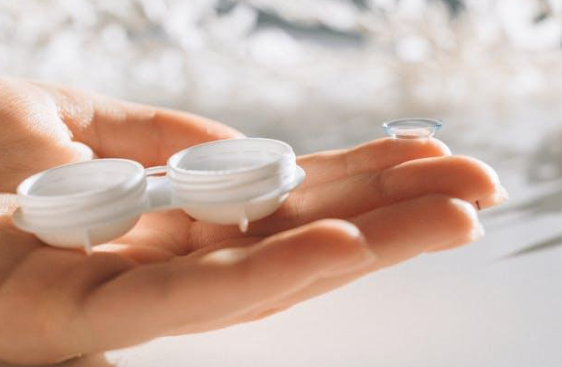
Whether you’re slipping your contacts in before a fall festival or taking them out after a football game, clean hands are your best defense against infection. Always wash your hands with soap and water, not hand sanitizer, before handling your lenses. Dry them completely with a lint-free towel so you don’t transfer fibers into your eyes.
Sleeping in Contact Lenses
After a long day of hard work, it may be tempting to leave your contact lens in your eye. Do not do this! Doing so greatly increases the risk of eye infections and irritation. When your eyes are closed for long periods, oxygen flow to the cornea is reduced, and contact lenses can further block that supply. This creates a warm, moist environment where bacteria can grow, leading to conditions like bacterial infections, which can be painful and potentially cause permanent vision loss.
Switch to Dailies for Dirty Work
If you’re about to tackle that mountain of leaves in your yard or play a dusty game of flag football, consider wearing daily disposable contact lenses. Dailies are fantastic because you can just wear them for the day and then toss them away. You don’t have to worry about cleaning them after they’ve been exposed to a dusty, germ-filled environment. It's a simple, hygienic solution that minimizes your risk of bringing allergens and debris from a messy activity back into your clean home and routine.
Combat Fall Dryness
The cooler, drier air can make your eyes feel parched and your lenses uncomfortable. A great way to combat this is by keeping a bottle of lubricating eye drops specifically formulated for contact lens wearers handy. These drops help rehydrate your eyes and your lenses, providing instant relief and making your lenses feel more comfortable for longer.
If your
eyes feel consistently dry, try giving them a break. Wear your glasses for a few days to let your eyes recover and get rehydrated.
The Power of Sunglasses
Sunglasses aren’t just for sunny summer days; they are fantastic for fall. A good pair of sunglasses, especially a wraparound style, will protect your eyes from the sun's UV rays. They will also act as a barrier against wind, dust, pollen, and debris.
Be Mindful During Fall Sports
While contacts give you an edge in sports by providing unobstructed vision, they don’t provide any physical protection. For contact sports like football or basketball, or any activity that involves fast-moving objects, you need to take an extra step. Always wear protective sports eyewear, such as shatterproof goggles, over your contact lenses. This equipment is designed to withstand impact and can prevent a career-ending or sight-threatening eye injury.
Post-Activity Cleanse
After a long day of raking leaves, hiking, or playing outside, your eyes have been exposed to a lot. Even if you don't feel any immediate irritation, it's a good idea to remove your contact lenses, thoroughly clean them, and let your eyes breathe for a while before bed. If your eyes feel particularly irritated or itchy, it’s a good time to give them a break and switch to your glasses for the rest of the evening.
Don't Let Allergies Linger
If you're an allergy sufferer, you know how tempting it can be to rub your itchy eyes. But rubbing your eyes with a contact lens is a recipe for disaster. The friction can cause a corneal abrasion, and the pressure can damage the delicate surface of your eye.
If your allergies are flaring up, talk to your eye doctor about prescription eye drops that can be used with your contacts. These can often calm down the allergic reaction and prevent you from having to rub your eyes.
How Can Baptist Eye Surgeons Help
At Baptist Eye Surgeons, we know your eyes don’t take a season off. Whether you need help with seasonal dryness, a safe contact lens fitting, or treatment for an eye infection, our team is here to keep your vision clear and healthy.
We can help you:
- Choose contact lenses that suit your lifestyle and seasonal needs.
- Manage fall allergies without giving up your lenses.
- Fit specialty contacts for unique vision needs.
- Treat eye conditions early before they cause lasting damage.
If you have any questions about your contact lenses,
our team at Baptist Eye Surgeons can help. We want to be your partner in vision care, helping you see clearly and safely through every season of your life. Call us at
(865) 413-5433 to
schedule a visit today to get clear answers and real relief!