Diabetic Retinopathy — Everything You Should Know
Diabetes can have far-reaching effects on your health including your vision. One common issue is diabetic retinopathy, a disease that attacks your central vision and gradually steals your sight. If you have diabetes then it’s important to know what exactly diabetic retinopathy is, how it can affect your vision, and what you can do about it.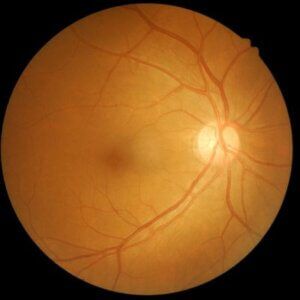
Diabetic retinopathy is an eye disease caused by high blood sugar. Common symptoms include blurred vision, dark spots in your vision, and vision loss. While not always preventable, there are steps you can take to manage diabetic retinopathy. It is diagnosed with a comprehensive eye exam and treated with medication or laser surgery.
What Is Diabetic Retinopathy?
Diabetic retinopathy is a diabetic eye disease caused by high blood sugar. For people who have diabetes, high blood sugar can damage blood vessels and cause them to swell in the retina, eventually resulting in them becoming blocked. This causes your body to grow new blood vessels in your eye to compensate for those that have been damaged.
When healthy, the blood vessels in your eyes play an important role in helping keep them healthy. Unfortunately, the new blood vessels that form aren’t nearly as helpful. These blood vessels are abnormal and don’t function correctly, but leak, leading to other complications such as diabetic macular edema ( DME ).
Diabetic retinopathy comes in two stages:
- Early diabetic retinopathy
- Advanced diabetic retinopathy
Early diabetic retinopathy is the most common form of the condition. It causes the smaller blood vessels to become weak due to bulging, resulting in blood and other fluids leaking into your retina which can obscure your central vision. Larger blood vessels, nerve fibers, and the macula can also swell, causing an increased risk of blindness or vision loss.
If early diabetic retinopathy is left untreated then it can develop into advanced diabetic retinopathy . At this stage, the condition has progressed to the point that damaged blood vessels have been closed off. This causes your body to grow abnormal blood vessels that are weaker than the old ones and leak into the center of your eye.
These new blood vessels can eventually lead to:
- Scar tissue
- Retinal detachment
- Increased eye pressure
Increased eye pressure is especially dangerous for your eye health. It can damage your optic nerve and eventually lead to glaucoma, which can result in vision loss.
Click here to learn more about the effects of diabetic retinopathy on your eyesight!
Symptoms & Risk Factors
It’s possible that you may not experience any symptoms of diabetic retinopathy in the early stages. However, they will become more prevalent as your condition progresses.
Symptoms of advanced diabetic retinopathy include:
- Blurry vision
- Eye floaters
- Empty or dark areas in your vision
- Changes in the clarity of your vision
- Vision loss
Anyone who has diabetes can develop diabetic retinopathy. With that said, some are at a higher risk than others due to certain risk factors.
Common risk factors for diabetic retinopathy include:
- Living with diabetes for a long period of time
- Not controlling your blood sugar
- High cholesterol
- High blood pressure
- Tobacco use
- Pregnancy
- Ethnicity
Prevention
Diabetic retinopathy isn’t always preventable. Fortunately, making positive lifestyle changes based on the above risk factors reduces the risk and puts you in a much better position to keep it under control.
Key factors for preventing or managing diabetic retinopathy include:
- Eating a healthy diet
- Getting plenty of exercise
- Taking your diabetes medication as directed
- Monitoring your blood sugar levels
- Lowering your blood pressure
- Lowering your cholesterol
- Quitting smoking
- Paying attention to changes in your vision
The important thing to remember is that diabetes doesn’t have to result in vision loss. By taking active steps to control your blood sugar, you can manage your diabetes as well as conditions such as diabetic retinopathy. This will help preserve your vision and overall health for years to come.
To learn more about preventing diabetic retinopathy, click here !
Diagnosis
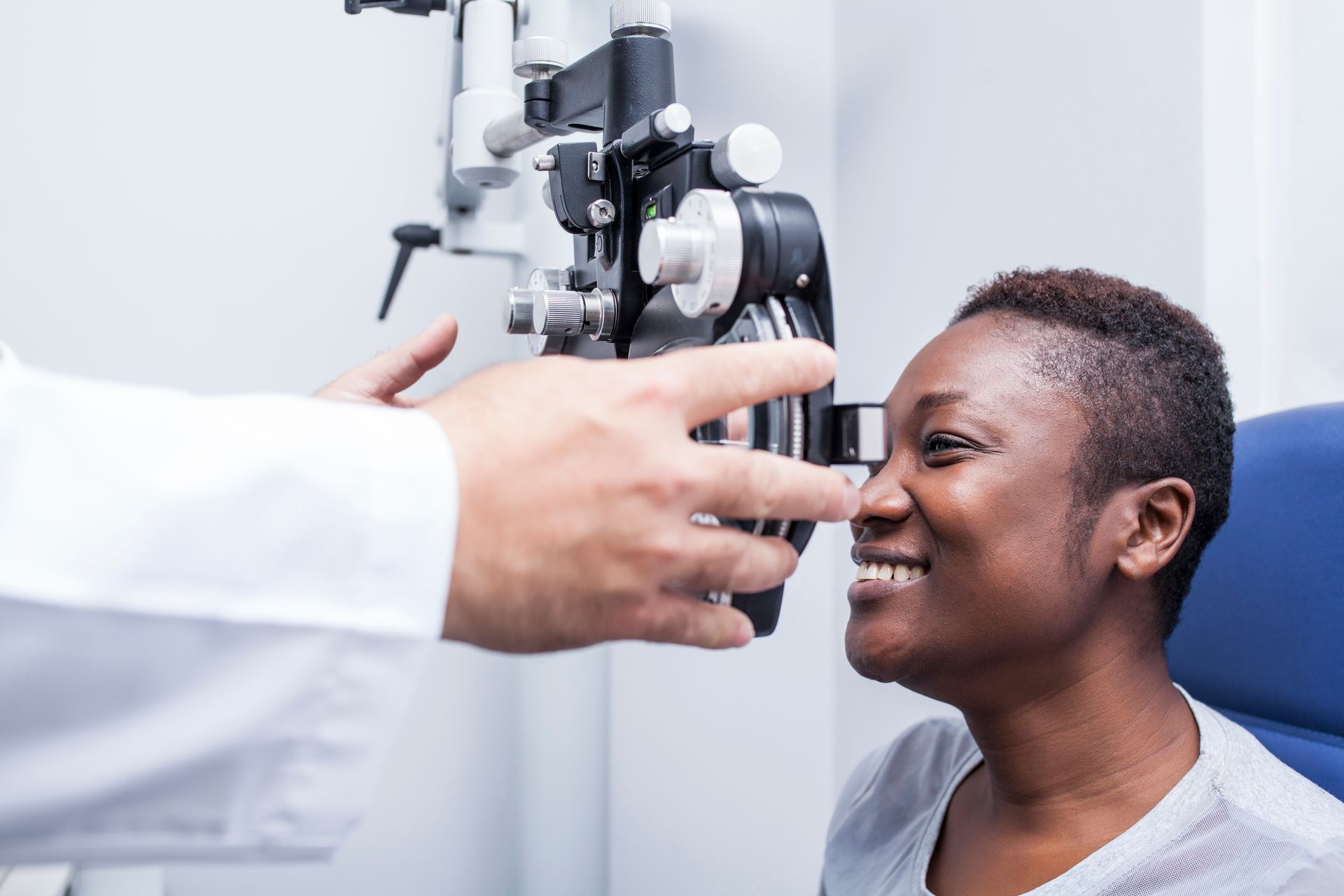
The best way to diagnose diabetic retinopathy is with a comprehensive eye exam. Unlike the vision screenings you may remember from school, these exams involve dilating your eyes. This allows your Knoxville eye doctor to view the structures of your eyes and better evaluate their health.
Your evaluation may include optical coherence tomography (OCT). With OCT, our eye surgeons can evaluate the thickness of your retina to see how much fluid has leaked and may require some form of treatment.
Diabetic Retinopathy Treatment in Knoxville, TN
Once you have been diagnosed, your eye doctor at Baptist Eye Surgeons can develop an eye care treatment plan to help protect your vision. Treatment for diabetic retinopathy can vary depending on what stage you have.
Some cases of early diabetic retinopathy may not even require immediate treatment. However, your eye doctor will want to monitor your condition in case anything changes. Diabetes management is the best form of treatment at this stage, so work with your primary care provider or endocrinologist and create a plan to keep your blood sugar levels under control.
Advanced cases and those with macular edema will require more immediate treatment. This may include:
- Medications injected into the eye
- Laser surgery
- Vitrectomy
It’s important to note that these treatments are not a cure for diabetic retinopathy. Diabetes is a lifelong condition, meaning the threat of vision loss still exists. To protect your sight, you will need regular eye exams and possibly more treatment to preserve your vision.
Do you need treatment for diabetic retinopathy in Knoxville, TN? Contact us today to schedule your appointment!
High blood sugar can lead to diabetic eye diseases such as diabetic retinopathy. Signs in the advanced stage include blurry vision, eye floaters, and vision loss. Diabetic retinopathy can’t always be prevented, but it can be controlled with treatment. A comprehensive eye exam is required for diagnosis and it can be treated with medication or laser eye surgery.
Baptist Eye Surgeons is an ophthalmological practice in Knoxville, TN, and Morristown, TN. Give us a call at 865-579-3920 for more information or to schedule an appointment .