Eye Exams Can Save Your Sight—And Your Life
 Eye exams—they’re on that list of doctor visits you’re advised to make on a regular basis, much like you’re told to get your car’s oil changed and tires checked periodically. And you know the experts are right, and you know you should follow through. And yet …
It’s so easy to forget, or push the date off until later, especially when the proverbial tires seem to be rolling along just fine, thanks.
The thing is: Eye exams aren’t just about your eyes. If the ongoing safety of your vision isn’t of paramount importance (and if it’s not, why not?) then maybe the fact that your eyes hold clues to the health of the rest of your body is enough to get you in the ophthalmologist’s chair.
True story
The American Academy of Ophthalmology features a cautionary tale with a happy ending about a healthy, active 73-year-old man who experienced sudden but temporary partial vision loss.
Small patches of his sight would go blank for minutes at a time. However, because his vision always went back to normal and he felt no other symptoms, he allowed it to happen several times before seeing an eye doctor.
Even then, a basic eye exam revealed nothing suspicious. It wasn’t until the doctor dilated his pupils that they discovered a major blood clot. The man could have suffered a stroke at any minute. Instead, he underwent surgery to have the clot removed and returned to robust health.
True stories like this are common, and are proof that a comprehensive eye exam can save not only your eyesight but your life. Here are some of the more common diseases that an eye exam can detect:
Diabetes
Long before you notice symptoms, your eyes may be warning you about some serious health issues.
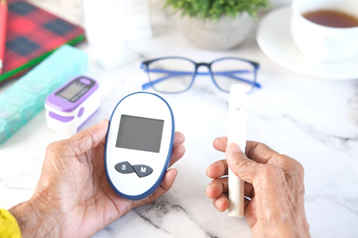
Like diabetes: It can cause small bleeds in the retina resulting in diabetic retinopathy, which an eye doctor will be able to see but you won’t. Not only does detecting this condition greatly increase the odds of saving your sight, but it gives you the chance to catch your diabetes early and make any necessary medical and lifestyle changes that may ward off the worst effects.
High blood pressure
Hypertensive retinopathy is another medical condition that ophthalmologists routinely check for, and it refers to the damage to blood vessels caused by high blood pressure.
Medical professionals don’t call high blood pressure “the silent killer” for nothing. High blood pressure has often already done serious damage by the time it’s detected, putting people at a higher risk of a heart attack or stroke. Heart disease, of course, is the leading cause of death in the United States, claiming more than 600,000 lives each year.
Autoimmune diseases
Some autoimmune diseases like rheumatoid arthritis and MS first manifest with eye symptoms that might be easy to dismiss, like red eye. But an ophthalmologist conducting the right tests can see these indicators for what they really are and get the patient the early intervention that’s best for them—not to mention best for their eyesight.
Sexually transmitted diseases
The eye might not be the first organ one associates with sexually transmitted diseases, but STDs can harm your eyes and your vision. Unfortunately, permanent damage from STD’s to your eyesight is often well underway if not detected early in an eye exam. For example:
- Herpes can cause scarring in the cornea.
- Syphilis can inflame the optic nerve.
- Gonorrhea causes pink eye.
- Venereal warts can show up on the eyelids.
- HIV can cause retinal hemorrhages.
The list goes on, but the main takeaway: Safe sex and the longterm health of your eyesight should include a regular examination at your eye doctor’s office.
Cancers
Heart disease is the leading cause of death in the U.S., as already stated, and cancer is right on its heels, accounting for some 20% of deaths each year.
Eye exams don’t just reveal cancers of the eye. Skin cancers can appear on the eyelid, certain kinds of bleeding in the eye can indicate leukemia in the body, and some vision changes may be signs of a brain tumor.
Eye diseases
Comprehensive eye exams also check for serious eye diseases diseases that can cause permanent vision loss or even blindness, such as glaucoma and macular degeneration as well as others. As with any disease, it’s important to catch them as early as possible, especially since they threaten your precious sense of sight.
To dilate or not dilate?
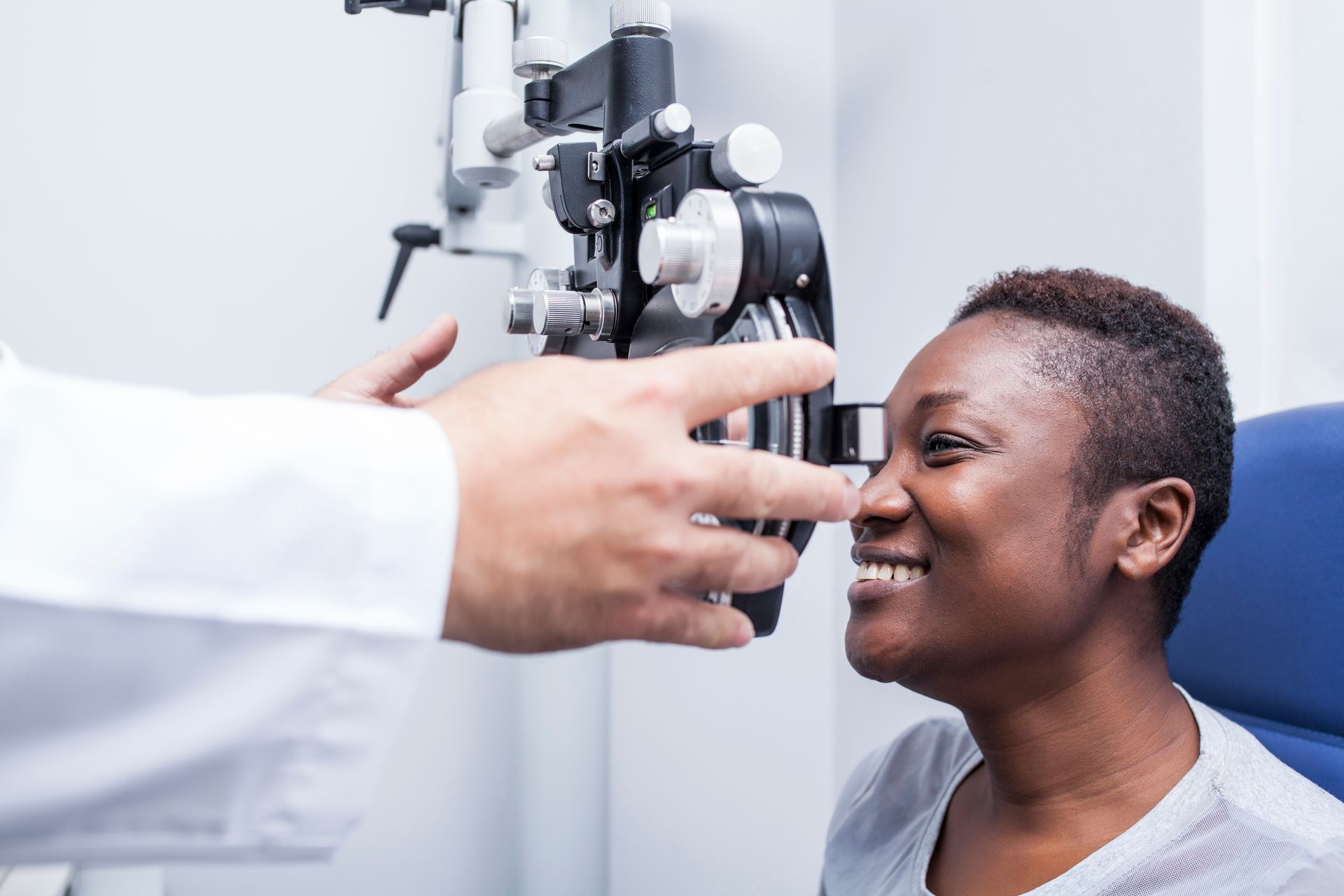
Dilating the pupils entails putting special drops in your eyes to make the pupils bigger so that your eye doctor can more clearly see the back of your eye, including your retina,macula, and optic nerve. This is necessary for the ophthalmologist to accurately detect many of the aforementioned problems if they are present.
How often you should have an eye dilation exam depends on your age, overall health, and your risk factors. The American Academy of Ophthalmology recommends that adults who have no signs or risk factors for eye disease get a baseline exam with dilation at the age of 40. If you have a family history of glaucoma or macular degeneration, or if you’re diabetic or have high blood pressure, you’ll need eye dilation exams on a regular basis.
OK, so how often?
Being able to detect many vision and life-threatening diseases is hopefully reason enough for you to know that regular eye exams are crucial for your long-term health. So you may then be wondering how often you should schedule exams with your eye doctor.
The American Academy of Ophthalmology recommends you schedule comprehensive eye exams, including dilation, at the following times:
- Baseline comprehensive eye examination beginning at age 40, continuing at least every 2 years between age 40 and 50.
- At least once a year after age 50.
- Anyone with diabetes, regardless of age, should have a comprehensive eye examination every year starting when they are diagnosed with diabetes.
- Those with a family history of glaucoma, macular degeneration, or other eye diseases should have comprehensive examinations once a year beginning at age 30.
Not sure what’s best for you and your particular situation? Just ask! An ophthalmologist can work out the best recommendations for you.
One final warning
Be wary about websites offering “refractive eye exams” as alternatives to yearly checkups, or apps that peddle vision tests for convenient, in-home updates for your prescription glasses, for example.
These online screenings fall far from the standards of an actual eye exam, giving the recipient a false sense of security despite no qualified eye doctor actually examining the interior of your eyes. And without that type of comprehensive eye exam, none of the diseases mentioned here have the chance to be detected.
Eyes may be the windows to the soul, but they also offer a unique vantage point for the inner workings of the human body. Best to let an expert take a look so that you know your sight—and your health—are doing just fine.
Baptist Eye Surgeons is an ophthalmological practice in Knoxville, TN, and Morristown, TN, dedicated to providing quality eye care to patients whose needs range from routine comprehensive eye examinations to complex eye surgeries. To meet our doctors and learn more about our specialities, visit our website. Give us a call at 865-579-3920 for more information, or schedule an appointment online.