Get Better Eye Health By Making These Lifestyle Changes
Your vision is one of the most important senses that you have. You need to protect it and ensure that it remains strong for as long as possible. Fortunately, protecting your vision is easier than you may think. To get better eye health, start making these simple lifestyle changes.
Comprehensive eye exams are a cornerstone of healthy vision and overall wellness. You can also support your eye health by eating a diet full of vitamins and nutrients. Smoking drastically increases your risk of eye disease so you should quit immediately. You should also invest in a quality pair of sunglasses to protect your vision all year long.
Include Comprehensive Eye Exams In Your Wellness Plan
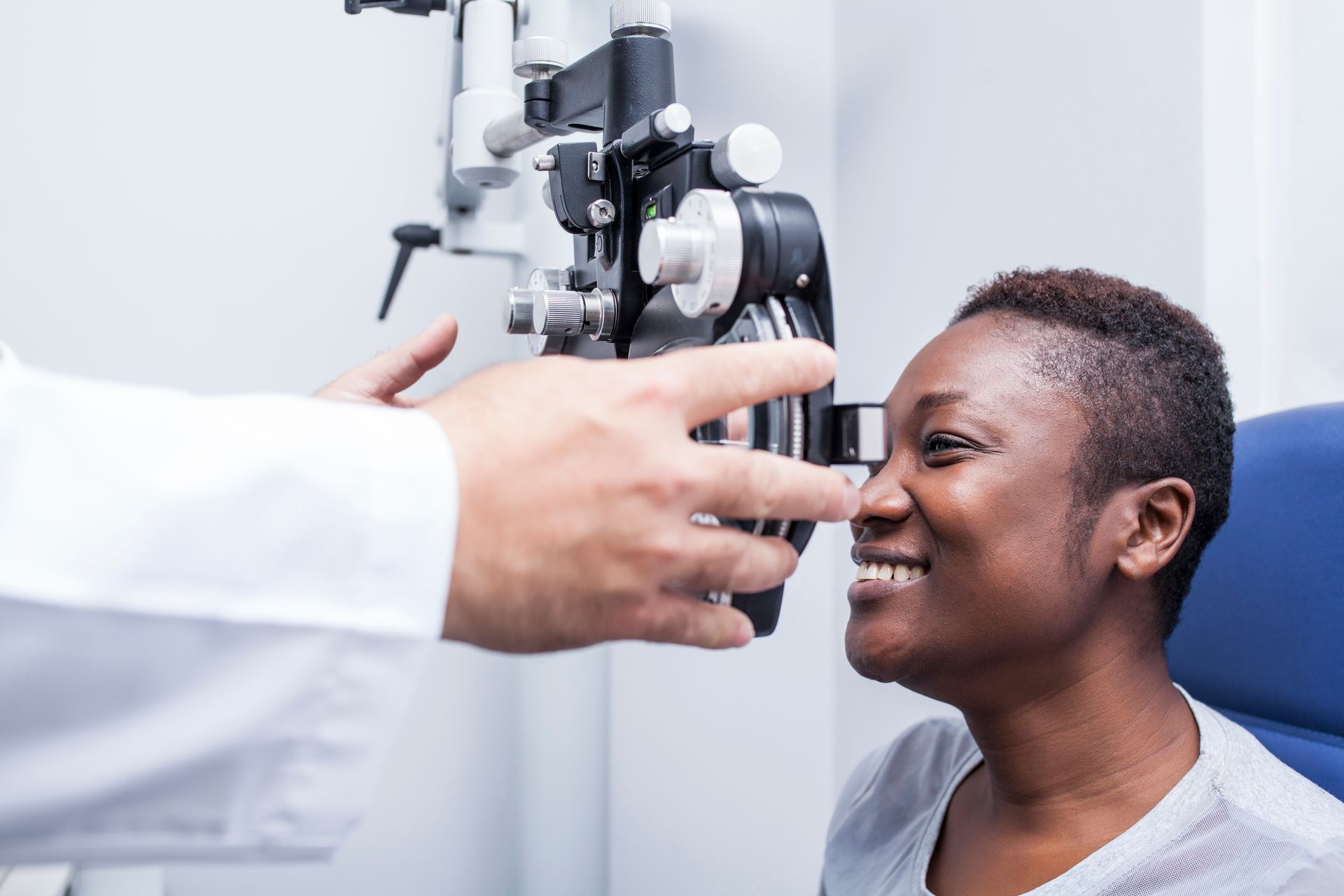
Adults should start getting regular comprehensive eye exams starting at the age of 40. This is true even if you don’t have any risk factors for vision loss. This is due to the fact that 40 is when most adults start developing early signs of eye diseases. Also known as baseline eye exams , these tests are very important for preserving your eye health for the long-term.
Comprehensive eye exams are different from regular vision screenings. Unlike those you may remember from school, these involve dilating your eyes to help our ophthalmologists see more deeply into them. This allows them to catch any problems that may be developing and create a treatment plan.
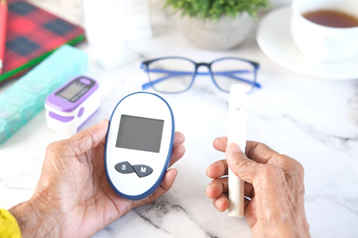
Schedule a comprehensive eye exam every two years once you turn 40. This should increase to once per year at age 50. There are instances when you need them sooner. For instance, you should get annual exams if you’re diagnosed with diabetes . You should also get annual exams if you’re diagnosed with macular degeneration, glaucoma, or other eye diseases or conditions.
There are a variety of reasons you may need a comprehensive eye exam. They can also help during allergy season or if you suffer from headaches. Check out our blog on signs it’s time for a comprehensive eye exam to learn more.
Eat a Healthy Diet
Eating a healthy and diverse diet can benefit your eyes as much as it does the rest of your body. Researchers have linked certain vitamins and nutrients to vision health to help you know what to put on your plate.
Make sure eat plenty of:
- Dark leafy greens
- Citrus fruits
- Nuts
- Cold-water fish
- Shellfish
Dark leafy greens are full of lutein and zeaxanthin that minimize your risk of chronic eye diseases. Citrus fruits are full of vitamin C to help fight cataracts and age-related macular degeneration. Nuts contain vitamin E to help preserve healthy tissue in your eyes.
Cold-water fish are packed with omega-3 fatty acids to help preserve your visual development and retinal function. It also aids in reducing inflammation and tear production. Shellfish along with red meat provides zinc to transport vitamin A to your eyes to maintain your night vision.
Quit Smoking for Better Eye Health
Smoking can wreak havoc on the health of your eyes as well as your overall health. Research has shown that smoking can significantly increase your risk of vision loss. This is due to the damage it does to the blood vessels in your eyes. It also significantly reduces the amount of oxygen supplied to your eyes.
According to the American Academy of Ophthalmology, smoking can increase your chances of developing:
- Cataracts
- Diabetic retinopathy
- Retinal detachment
- Dry eyes
- Cataracts
Secondhand smoking is just as dangerous for your eye health as smoking yourself. Quitting smoking is the best way to prevent these issues for yourself as well those around you.
Invest in Quality Sunglasses
Choosing a quality pair of sunglasses involves more than the price tag. While your trendy frames may cost a pretty penny, they may not be protecting your eyesight the way you think they are. To help ensure that you get a pair that protects your vision as much as your style, you need to evaluate their:
- UV absorption
- Lens quality
- Fit
- Durability
UV Absorption
All dark glasses absorb some UV radiation, but a quality pair will absorb a lot more. For the best UV absorption, choose a pair that blocks 99 – 100% of UVA and UVB light. Some sunglasses may say “UV absorption up to 400nm,” which equals 100%.
Lens Quality
You also want to make sure that they have good lens quality with straight lines. To do this, look at something with a rectangle pattern while holding them a comfortable distance away, like floor tiles. Cover one of your eyes and slowly move the glasses around. A good pair of quality lenses will have straight lines. Wiggly or distorted lines indicate lenses with poor quality.
Fit
Sunglasses with a good fit help prevent UV rays from slipping between your frames and face to your eyes. Choose a pair that fits closely to your face and align with your eyebrows. Wraparound sunglasses are usually the best choice since they provide the most protection at all angles.
Durability
Durable lenses protect your eyes as well as the lifespan of your sunglasses. Opt for shatterproof lenses made from glass, plastic, or polycarbonate plastic if you’re especially active. Keep in mind that no lens is truly unbreakable. However, they will better withstand an accident and protect your eyes in the process.
The best first step toward better eye health is getting a comprehensive eye exam. You should also support your eye health by eating plenty of vitamin and nutrient-packed foods. Smoking endangers your eye health and those around you, so quit immediately. You should also shop for a quality pair of sunglasses that will provide year-round protection for your vision.
Want to take your first steps toward better eye health? Contact us today to schedule your next comprehensive eye exam!
Baptist Eye Surgeons is an ophthalmological practice in Knoxville, TN, and Morristown, TN. Give us a call at 865-579-3920 for more information or to schedule an appointment.