The Connection Between Diabetes and Eye Health
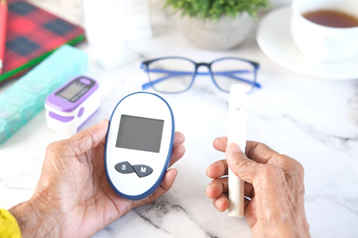
Diabetes affects various parts of the body, including your eyes. Keeping your blood sugar under control is not just good for your health overall, but it also helps protect your eyesight. Over time, high blood sugar can irritate the tiny blood vessels in your eyes and increase your risk of serious eye problems. Knowing how diabetes and eye health are linked can help you identify issues and take measures to protect your sight.
How Does Diabetes Affect Eye Health?
When blood sugar stays high, it can damage the blood vessels in the retina, which is the part of your eye that senses light and helps you see. Damaged blood vessels might leak fluid, swell, or change how well the retina works.
Diabetic eye problems usually develop slowly, so you might not pick up on any changes in your vision until significant damage has occurred. That’s why it’s important for people with diabetes to get regular eye exams, even if their eyesight seems fine.
Common Eye Conditions Linked to Diabetes
People with diabetes are more likely to have certain eye problems. Finding and treating these issues early can lower the chance of losing vision permanently.
1. Diabetic Retinopathy
Diabetic retinopathy is a common eye issue that happens when high blood sugar damages the retinal blood vessels. These damaged vessels may leak fluid, which may cause blurry vision, dark spots, or changes in how you see.
In advanced cases, abnormal blood vessel growth can lead to serious problems. If diabetic retinopathy worsens, new abnormal blood vessels can grow, causing serious problems, including vision loss. Getting regular eye exams can help catch these changes early, before they become severe. When fluid is retained in the macula (part of the retina which focuses on sharp central vision), this swelling can make it harder to read, recognize faces, or see fine details clearly. When detected early, treatments can help reduce swelling and protect your eyesight.
3. Cataracts
People with diabetes have a higher chance of getting cataracts early. Cataracts occur when the lens in your eye becomes cloudy, which can cause blurry vision, increased sensitivity to glare, and difficulty seeing clearly.
While cataracts come with age, having diabetes can make them appear sooner or progress quicker.
4. Glaucoma
Diabetes can also raise your risk for glaucoma, which is a group of eye diseases that harm the optic nerve. Glaucoma usually starts without any clear symptoms, but if it is not treated, it can cause permanent vision loss.
Routine regular eye exams are important for finding glaucoma early and keeping your eyes healthy
Diabetes-related eye problems might not cause symptoms at first. Still, there are some warning signs you should look out for:
• Blurry or distorted vision
• Difficulty focusing
• Dark spots, floaters, or shadows in your sight
• Increased sensitivity to glare
• Trouble seeing colors clearly
• Sudden alterations in vision
• Partial or complete loss of vision
If you notice sudden vision changes, contact an eye doctor as soon as possible.
The Value of Regular Eye Exams for People With Diabetes
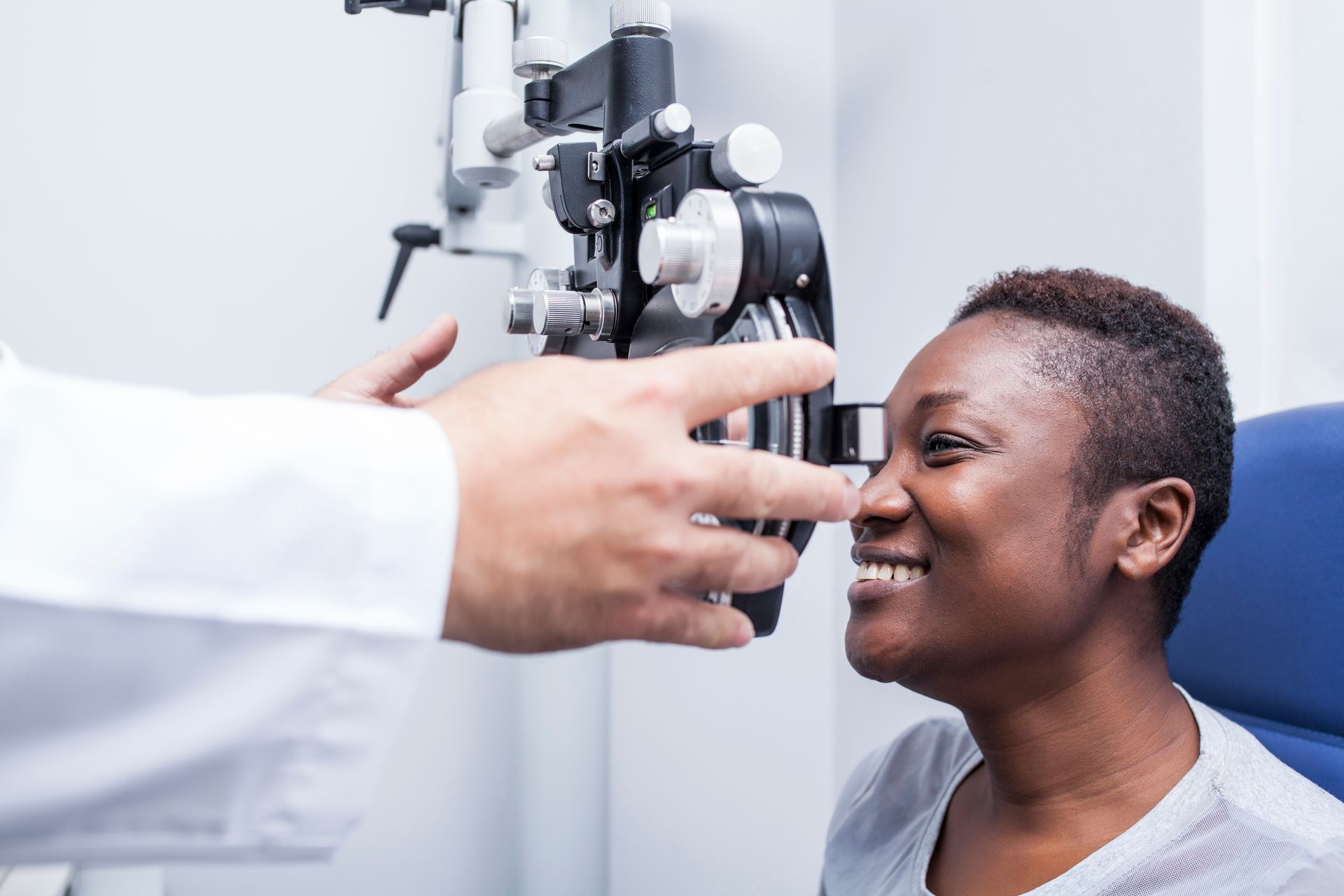
Getting a full eye exam is one of the best ways to protect your vision if you have diabetes. During the examination, your physician will study your retina, look for symptoms of diabetic eye disease, and track any changes over time.
Many eye problems linked to diabetes can be treated more easily if they are found early. Regular checkups help your eye doctor give you advice that fits your own eye health and diabetes care.
Protecting Your Eyes When You Have Diabetes
Looking after your general health is important for keeping your eyes healthy. Here are some things you can do to protect your vision:
• Keeping blood sugar levels under control
• Managing blood pressure and cholesterol
• Scheduling regular diabetic eye exams
• Following your diabetes treatment plan
• Eating a balanced diet that promotes eye health
• Avoiding smoking, which increases the risk of eye complications
Prioritizing Your Vision and Eye Health
Diabetes and eye health are closely linked, but you can lower your risk of serious vision problems by taking action early. Getting regular eye exams, making healthy choices, and managing your diabetes all help protect your eyesight.
If you have diabetes, seeing your eye doctor regularly can help catch changes early and keep your vision clear for the future. Your eyes are a key part of your health, so make caring for them a priority at every age.