What to Expect During Your First Eye Exam: A Step-by-Step Guide
A thorough eye exam is an important part of keeping your vision healthy and protecting your eyes. If you are arranging for your first eye examination as an adult, if you are taking a child in for an evaluation, or if you have noticed any changes in your vision, knowing what to expect can help make the experience more comfortable. The eye exams carried out at Baptist Eye Surgeons not only check your vision but also look at your general eye health and spot any possible problems that might call for further investigation.
What is the Importance of Eye Examinations?
An eye examination does not merely enable one to find out if glasses or contact lenses are required. It lets an eye care professional assess how well your eyes are working and spot the signs of common eye conditions.
Some eye conditions can progress slowly without symptoms. Regular eye checkups can help detect changes earlier and make sure you receive appropriate treatment when needed.
Step by step: The Process Involved in Having an Eye Examination
Even though the different appointments may vary according to your particular needs, a typical full eye examination will involve a number of significant steps.
1. An Examination of Your Medical & Eye History
Your appointment may start with questions about your vision, medical history, medications, any previous eye conditions, and your family history of eye disease. Be sure to report any changes in your vision, eye discomfort, headaches, or other concerns you have noticed.
Your eye care professional may also ask about the glasses or contact lenses you currently use and how well they work for you.
2. Checking Your Vision
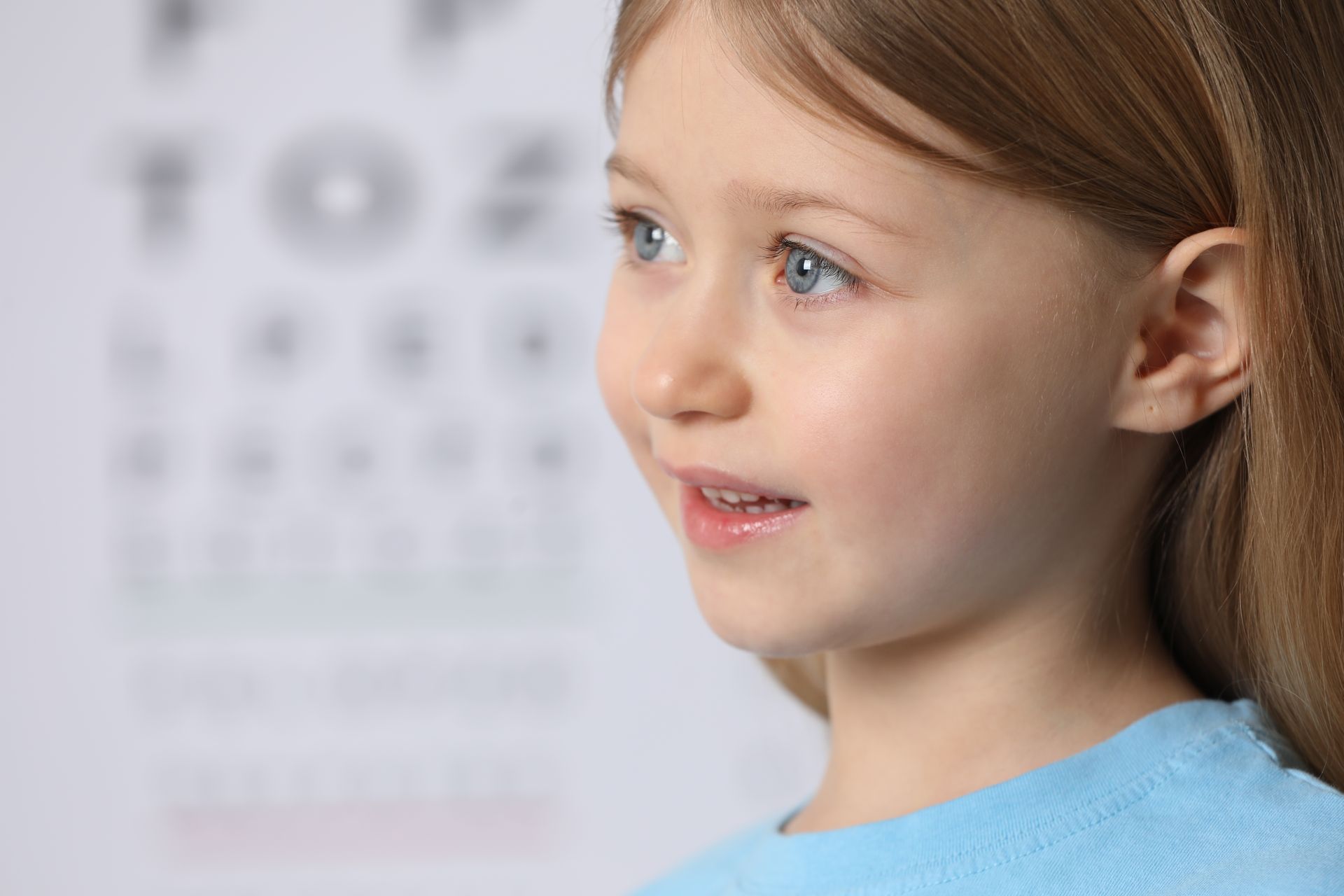
A well-known part of an eye examination is the visual acuity test. You might be asked to read some letters or symbols from a chart at a set distance. This lets doctors assess how clearly you can see and decide whether corrective lenses would help.
Further testing could assess your ability to see up close and the way well your eyes work together.
3. The Measurement of Eye Health & Function
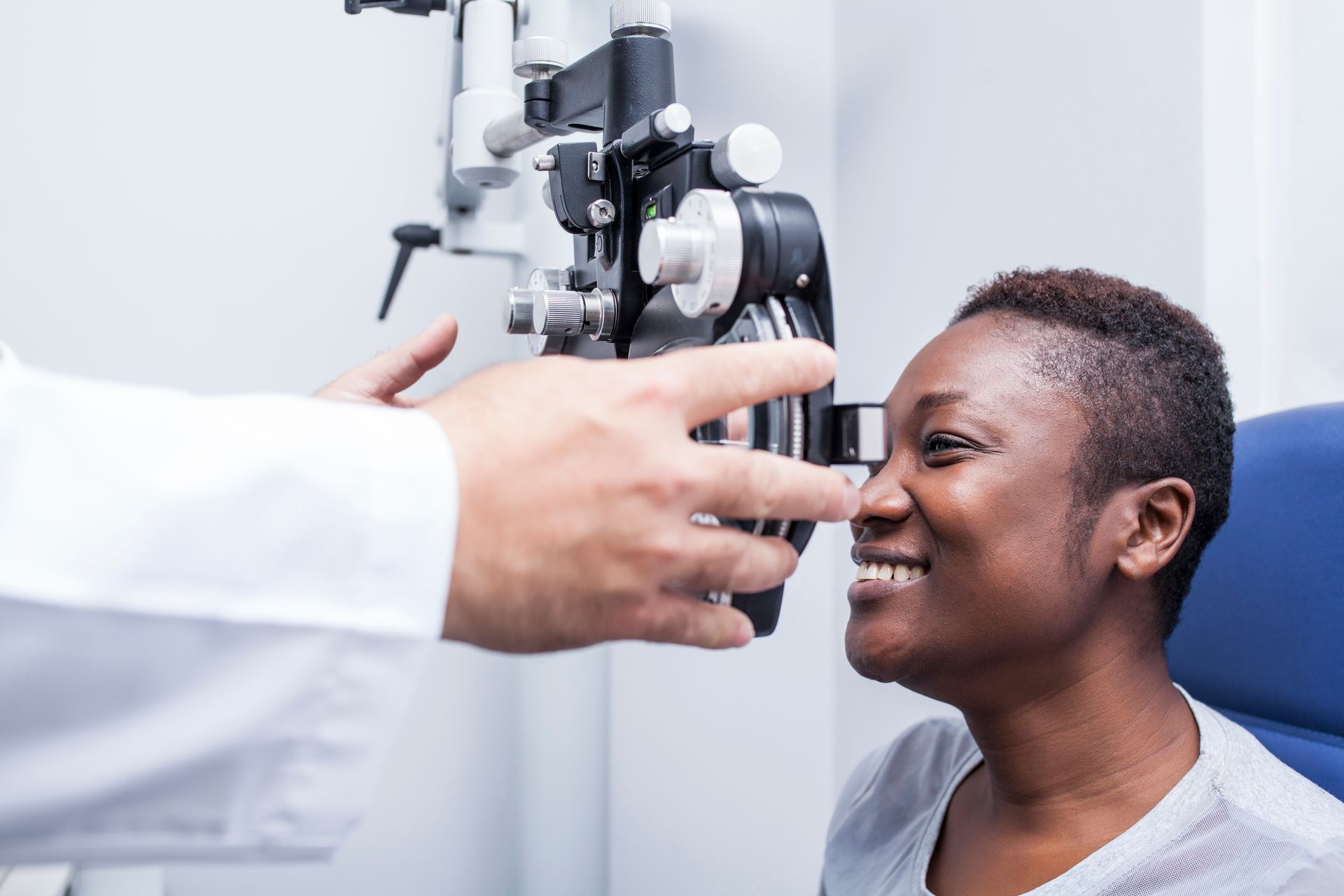
Your eye care professional might carry out a number of tests in order to assess the health and functioning of your eyes. The tests involved may vary depending on your age, symptoms, and risk factors and could include measuring eye pressure, examining eye movement and coordination, and looking at the structures at the front and back of the eye.
They can help spot possible signs of eye disorders.
4. Discussing Your Results
Your ophthalmologist will review the results with you after the examination. If your vision has changed, they may suggest new prescription lenses. If they spot an eye condition or another issue, they could recommend further testing, further monitoring, or treatment.
It is also a good chance to ask questions regarding your eye health and the recommended follow-up care.
What Should You do to Get Ready for your First Eye Examination?
Having an eye examination usually involves nothing complicated. It is a good idea to take with you your present glasses or contact lens details and to be ready to give a list of any medications as well as any applicable medical or family history. Additionally, it might be helpful to remember any vision changes or symptoms you have had.
Dilation may occur during the examination if certain tests are performed. After dilation has been advised, your vision might be temporarily blurred or more sensitive to light.
Supporting Healthy Vision
The initial eye examination is a valuable chance to determine a baseline for your eye health and understand your specific vision needs. Regular eye exams help monitor changes over time and support early detection of possible eye conditions.
Plan a visit with an eye care professional if you have discovered any changes in your vision or if you're due for a check-up.