What Should—And Shouldn’t—You Do Right Away If You Injure Your Eye?
 If you tune in to the Today Show
, you’re probably aware that co-anchor Savannah Guthrie was absent from the show for a few weeks at the end of last year due to a serious eye injury. Guthrie, 47, first shared the news of her injury in late November, explaining that she was undergoing laser treatments to repair a torn retina, which was caused when her young son accidentally threw a toy train that hit her eye.
If you tune in to the Today Show
, you’re probably aware that co-anchor Savannah Guthrie was absent from the show for a few weeks at the end of last year due to a serious eye injury. Guthrie, 47, first shared the news of her injury in late November, explaining that she was undergoing laser treatments to repair a torn retina, which was caused when her young son accidentally threw a toy train that hit her eye.
Within 24-hours after the toy hit her eye, Guthrie couldn’t see out of that eye due to a build up of blood behind the retinal tear. The retina is a layer of nerve cells that line the back wall of the eye, responsible for sensing light and sending signals to the brain.
In an attempt to repair the torn retina, her ophthalmologist performed numerous laser treatments over several days, but ultimately the retina detached from her eye and surgery was required to repair and reattach it—which hopefully would restore vision in her eye.
Perhaps because Guthrie was forthcoming about her struggle and how serious the risk was to her eyesight, many patients since then have asked how common such eye injuries are and what they should do if such something like that happens to them.
Unfortunately, everyday eye injuries are quite common, and the most common causes of eye injuries include:
- Punches or hits
- Blows from balls, rackets, or other sports equipment.
- Flying debris such as dust, dirt, or metal from yard work or home improvement projects.
- Flying objects like darts, nerf gun darts, fireworks, and BBs.
- Chemical splashes from household or industrial cleaners, or fertilizers and pesticides.
Let’s take a look at how to first recognize symptoms of serious eye injuries, and then what to do—and not do to—increase your odds of preserving your vision.
Symptoms OF Serious Eye Injuries
Guthrie’s torn retina was not uncommon in that it a) blocked vision in that eye, and b) had a high risk of detaching, meaning that the thin retinal tissue layer pulled completely away from the eye.
A detached retina can cause permanent blindness, and the longer treatment is delay the higher the risk of losing vision. The same principles apply for a damaged cornea, which is the clear dome covering your iris and pupil. In either case, you should be seen the same day as the injury to make sure you don’t have a retinal tear or detachment or a corneal injury which might require surgery quickly.
So, if your eye is cut, hit, scratched, or even splashed by chemicals, how do you know if the injury is minor, or if your retina or cornea is at serious risk for permanent damage? The most common symptoms of serious retinal or corneal injuries requiring immediate medical care include:
- Sudden onset of seeing floaters, or black specks
- Sudden onset of seeing flashes of light
- Partial or total loss of vision in that eye
- Onset of blurry vision
- Pain in the eye
- Redness, or blood in the clear part of the eye
- Sensitivity to light
- An unusual pupil size or shape
- Cut or torn eyelid
- Injured eye does not move as well as the other
- A sensation that there’s something in the eye or under the eyelid that tears and blinking can’t remove
Keep in mind that while these symptoms are clear signals that you need quick medical attention, in some cases you can’t always tell when an eye injury is serious. Some injuries can slowly cause bleeding or very gradually raise eye pressure, and sometimes a detached retina can only be seen during an eye doctor’s examination.
For this reason—with any eye injury—it’s always wise to call your eye doctor and opt for being safe rather than sorry when it comes to your eyesight.
Immediate Do’s & Don’ts For Eye Injuries
It’s also important to know what you should do from the time the eye injury occurs until you see your eye doctor—even if the injury initially seems minor. Here are guidelines about what you should and shouldn’t do for the most common eye injuries:
HITS OR BLOWS
- DO apply a cold compress gently with a clean washcloth to reduce pain and swelling.
- DO NOT apply any pressure.
- DO NOT apply steaks or other food items, which can get bacteria in your eye.
- DO contact your eye doctor if you experience any of the symptoms listed above, even after a light blow.
CUTS, SCRAPES, OR PUNCTURES
- DO NOT try to remove any objects that are stuck in the eye.
- DO NOT rinse with water.
- DO NOT rub your eye.
- DO gently place a protective cover over the eye to shield the eye until you get medical attention. For example, you can tape heavy paper, such as the bottom of a paper cup, to your browbone and cheekbone.
- DO NOT apply pressure or press the shield against the eye.
- DO NOT take aspirin or ibuprofen, as these medications are blood thinners and may increase bleeding in your eye.
CHEMICAL BURNS OR SPLASHES
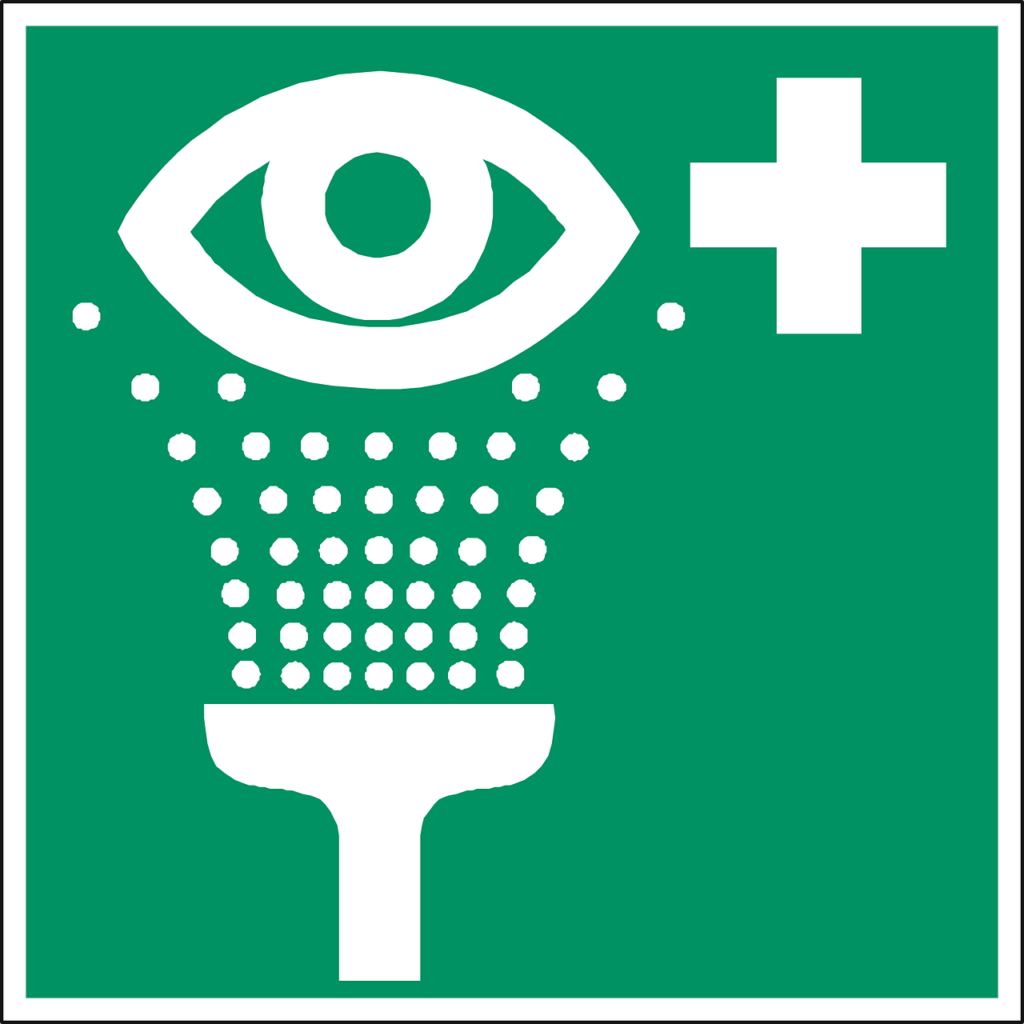
- DO flush your eye immediately with clean water, continuously, for several minutes.
- DO look at the label if you have the container the chemical came in to check for specific instructions about eye damage from that type of chemical.
- DO seek medical treatment right away with your eye doctor or the emergency room.
The bottom line is if you do suffer an eye injury, even if it seems minor, consult with an eye doctor professional immediately.
At Baptist Eye Surgeons, we keep a certain number of emergency appointment times open in case you experience an eye injury, and our surgeons always advise that it’s smart to have your eyes checked out rather than take a wait-and-see approach.
Baptist Eye Surgeons is an ophthalmological practice in Knoxville, TN, and Morristown, TN, dedicated to providing quality eye care to patients whose needs range from routine comprehensive eye examinations to serious eye injuries, to complex surgeries. To meet our doctors and learn more about our specialities, visit our website, give us a call at 865-579-3920 for more information, or schedule an appointment online.