What’s the Worst-Case Scenario of Diabetic Retinopathy?
 November is Diabetic Eye Disease Awareness Month, a great time to spread knowledge about how diabetes can impact your eyesight and your life. Understanding diabetic eye diseases may be more important than ever.
The number of patients with diabetic retinopathy, one of the main eye diseases associated with diabetic eye disease, is expected to double between 2010 and 2050, from 7.7 million to an estimated 14.6 million patients.
With diabetic eye diseases like retinopathy so dramatically on the rise, it’s important to know what retinopathy is, how it can affect you over time, and what you can do to keep your eyes healthy.
What Is Diabetic Retinopathy?
Diabetic retinopathy is the term used for damage that can occur to the eyes as a result of diabetes. High blood sugar levels cause short-term and even irreparable damage to the blood vessels in the retina, which can lead to damage like swelling or leaking of the blood vessels and irregularly growing blood vessels in the eye. Sometimes existing blood vessels can close entirely.
And all of this can lead to eye damage and loss of vision over time, which is why diabetic retinopathy must be taken seriously.
Diabetic Retinopathy: What Can Happen
Diabetic retinopathy is divided into two main stages. Over time, the effects can increasingly wear on the eyes, causing more serious and permanent damage.
Let’s take a look at each of these stages and how, if left unchecked, diabetes-related retinopathy can affect your vision:
Non-Proliferative Diabetic Retinopathy (NPDR): This is the earlier, less-developed stage of diabetic retinopathy. Many people with diabetes also have NPDR. With NPDR, the tiny vessels in the eye leak, causing the macula to swell, which can cause a loss of vision. Blood vessels become constricted and can close off partially or even entirely. If you have NPDR, your vision can be blurry at times, but often times people experience little or no obvious symptoms.
Proliferative Diabetic Retinopathy (PDR): This is when diabetic retinopathy advances to a more progressed state. Because vessels have closed off, new, weaker blood vessels grow—referred to as neovascularization —which can contribute to permanent vision loss.
In PDR cases, these fragile blood vessels that have just started to grow can break and bleed. A small amount of bleeding might cause “floaters,” or specks, circles, lines or cobwebs that float in your field of vision. More extensive bleeding can potentially block part or all of your vision.
In addition, these newly growing blood vessels also begin to form scar tissue, which can cause problems with the macula and even lead to a detached retina.
Ultimately, PDR is very serious. It can culminate in the loss of your peripheral vision, your central vision or even both, leaving you completely blind.
The good news is that treatment is available. Beyond controlling your blood sugar levels, medications are available to help reduce eye swelling and prevent permanent damage. This is done through injections in the eye—with either medications designed to limit neuropathy-related swelling or injections of steroids directly into the eye.
Preventing Retinopathy and Other Diabetic Eye Diseases
So how can you prevent diabetic eye diseases like retinopathy—along with others like glaucoma, macular degeneration, and cataracts —from becoming a serious challenge in your life and an irreversible threat to your eyesight?
It all starts with regular visits to your ophthalmologist, but there are also a few ways to keep your eyes healthy if you have diabetes:
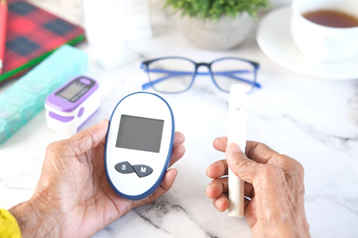
Control Your Blood Sugar: You can keep your blood sugar in check in a number of ways, whether you have T1 or T2 diabetes. Choose a diet low in carbohydrates and take all your medications and recommended insulin doses as prescribed by your physician. You also can cook healthy meals at home with whole ingredients, avoiding red meat, fried foods, refined carbohydrates and sugary drinks, and eat plenty of vegetables.
Keep Your Blood Pressure in Check: Working to keep your blood pressure levels low can help reduce the swelling in your eyes that can cause some of the damage associated with diabetic eye disease. There are all kinds of ways that you can keep your blood pressure levels at a reasonable level by exercising regularly, lowering your sodium intake, drinking less alcohol and caffeine, quitting smoking, and managing stress.
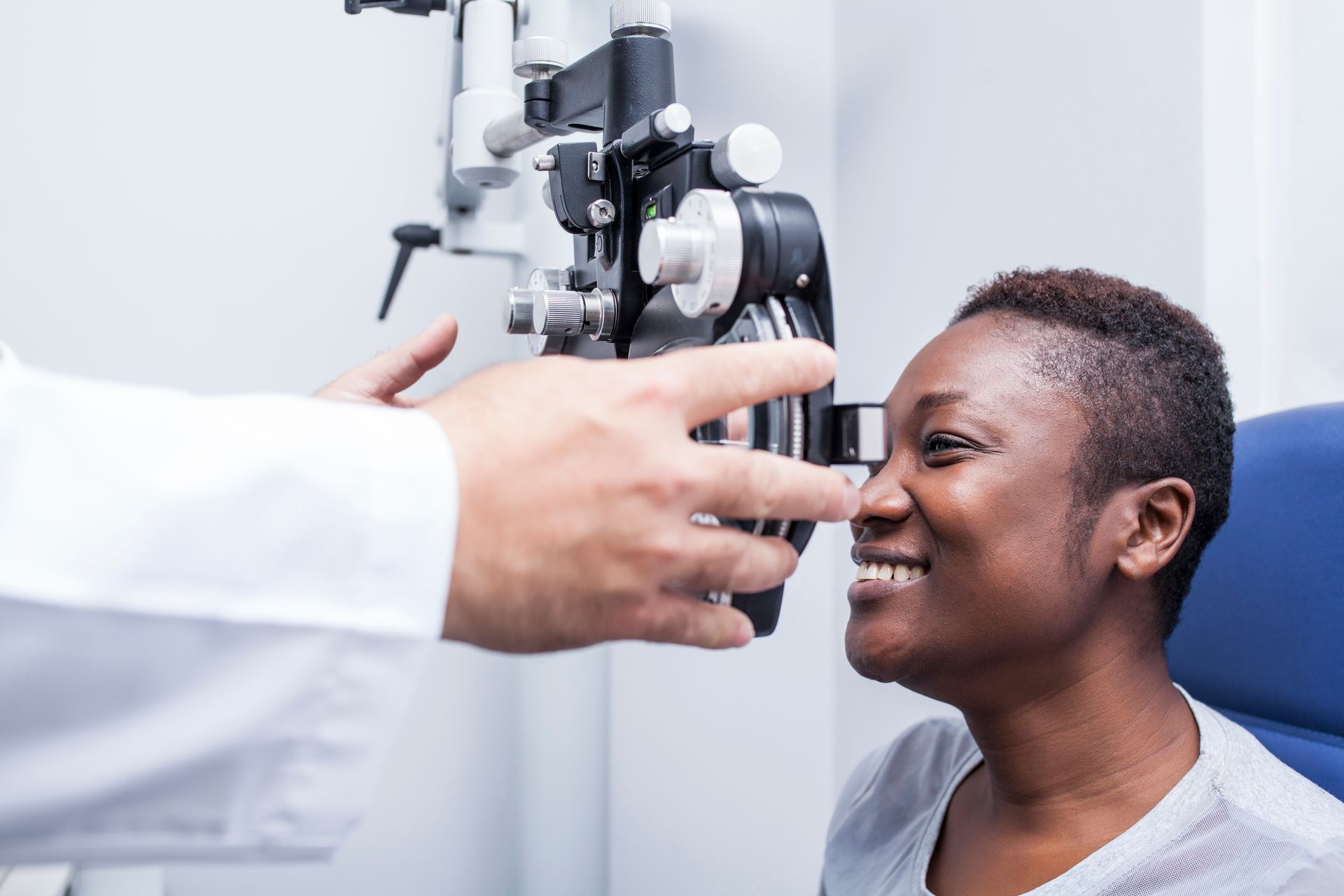
Get an Annual Dilated Eye Exam: There are ways to detect and treat diabetic retinopathy and other diabetic eye diseases in order to prevent irreversible vision loss. Yearly visits to your ophthalmologist can help monitor changes in your eye pressure levels and detect any signs of swelling or scarring.
Also, if you are experiencing changes in your vision like floaters, blurry vision, or other issues, you should see your ophthalmologist as soon as possible to prevent permanent damage.
While many people experience no symptoms in the early stages of diabetic retinopathy, there are some symptoms that may occur, including:
- Blurry or wavy vision
- Frequently changing vision
- Dark areas or vision loss
- Poor color vision
- Spots or floaters
- Flashes of light
- Poor night vision
Diabetes doesn’t have to hinder your life, just like diabetic retinopathy doesn’t have to hinder your eyesight. And that’s what Diabetic Eye Disease Awareness Month is all about: increasing your knowledge about how you can take control of the health of your eyes in order to have a full, healthy life with the best vision possible.
Baptist Eye Surgeons is an ophthalmological practice in Knoxville, TN, and Morristown, TN, dedicated to providing quality eye care to patients whose needs range from routine comprehensive eye examinations to complex eye surgeries. To meet our doctors and learn more about our specialities, including diabetic retinopathy, visit our website, give us a call at 865-579-3920, or schedule an appointment.