Advanced Technology In Cataract Surgery Can Reduce Need For Glasses
Baptist Eye Surgeons • May 9, 2018

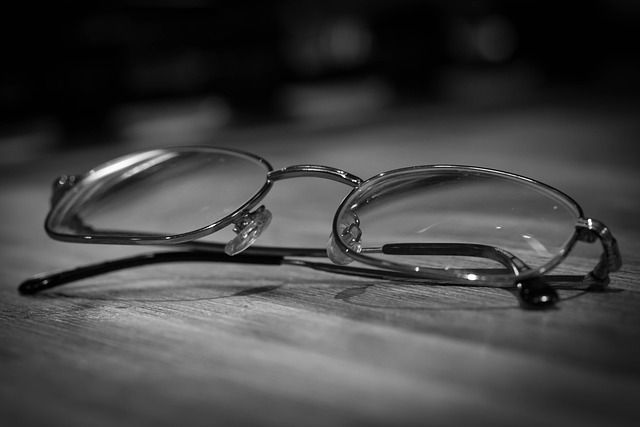
A pair of glasses is sitting on a table in a black and white photo.Cataracts are caused by a clouding or hardening of the eye’s lens. Things look blurry, hazy or less colorful with a cataract, akin to looking through a dusty or foggy window. Other symptoms may include double vision in only one eye, needing brighter light when reading, worsening night vision, increased sensitivity to bright light, or seeing halos around lights.

Cataracts are quite common with aging—75% of the U.S. population over the age of 65 has them. The good news is that cataract surgery techniques and technologies are always advancing, such as with the use of multifocal or toric lenses.

Types of Advanced Lenses

During cataract surgery, the eye surgeon removes the eye’s natural lens, which has become clouded, and replaces it with an intraocular lens (or IOL) . The IOL is a tiny, artificial lens responsible for bending (or refracting) light rays that enter the eye correctly, helping you to see clearly.

Just like prescription glasses or contact lenses, IOLs come in different focusing powers. A  monofocal IOL is the most common type of lens used during cataract surgery. It has one focusing distance, which is set for close-up, medium range, or distance vision. Most people opt for an IOL that’s set for clear distance vision, and then wear eyeglasses or contact lenses for reading or close-up work.

But advanced IOLs enable various focusing levels within the same lens. IOLs called multifocal lenses reduce your need for glasses by restoring your vision for more than just one set distance. Different zones on the lens allow the eye to focus on both near and far objects, correcting any previously existing vision impairments such as nearsightedness or farsightedness.

There’s also an advanced IOL for people with astigmatism called a toric lens . Astigmatism is  common, and is caused by an uneven curve in your cornea or lens. The toric lens is designed to correct that uneven curve so that light rays are refracted correctly, helping you to see clearly.

The skilled surgeons at Baptist Eye Surgeons are experienced experts in a number of advanced cataract surgery procedures, including the use of advanced technology implants like multifocal and toric lenses. These innovative technologies and techniques also contribute to a patient’s quicker recovery time as well as lead to significant improvements in vision.

Baptist Eye Surgeons is an ophthalmological practice dedicated to providing quality eye care to patients whose needs range from routine comprehensive eye examinations to advanced techniques like lense implants with cataract surgery. To learn about our specialities and our doctors, visit our website . We also invite you to schedule a free consultation with one of our trusted eye surgeons in Knoxville or Morristown, or call us at 865-579-3920.
June 30, 2026
Night vision problems can make everyday activities like driving at dusk, walking in poorly lit places, or adjusting to indoor lighting harder and sometimes unsafe. Trouble seeing in low light, called nyctalopia, is not a disease itself but a sign that something else may be affecting your eyes. Learning what causes night vision problems and when to get help is important for keeping your vision healthy. What Are Night Vision Problems? Night vision problems mean it is hard to see clearly in low light or darkness. Some people notice their eyes take longer to adjust when going from bright to dim places. Others may have trouble with glare from headlights, seeing less contrast, or things just looking dimmer at night. Mild changes in night vision can happen as you get older, but if your symptoms keep getting worse or do not go away, you should pay attention to them. Common Causes of Night Vision Difficulties There are several potential causes of night vision problems. Night vision problems can have many causes, from getting older to certain eye conditions, such as lens problems, leading to blurred vision and increased sensitivity to glare. They are one of the most common causes of poor night vision, especially in older adults. 1. Cataracts Cataracts cause clouding of the eye’s natural lens, leading to blurred vision and increased sensitivity to glare. They are one of the most common causes of poor night vision, especially in older adults. 2. Vitamin A Deficiency Vitamin A is important for keeping your retina healthy. If you do not get enough vitamin A, your eyes may have trouble adjusting to darkness, which can lead to night blindness. 3. Glaucoma Some types of glaucoma can affect your side vision and make it harder to see differences between light and dark. As the optic nerve gets damaged, seeing in low light can become more difficult. 4. Retinitis Pigmentosa This inherited eye condition slowly affects your ability to see at night and to the sides. Early signs often include trouble seeing in the dark. 5. Diabetes-Related Eye Disease Diabetic retinopathy can harm the blood vessels in your retina, which may cause blurry vision and make it harder to see at night. 6. Aging and Pupil Changes As people get older, their pupils do not react to light changes as quickly, and the retina becomes less sensitive. This naturally makes night vision worse over time. Symptoms to Watch For Night vision problems often develop slowly. Some common signs are: Difficulty seeing in low light or darkness Trouble driving at night due to glare from headlights Longer adjustment time when moving between light and dark environments Reduced contrast or clarity in dim settings Frequent squinting or eye strain in low light If these symptoms start to affect your daily life, it is a good idea to get a full eye check-up. When to See an Eye Doctor You should see an eye doctor if you notice new night vision problems, if they are getting worse, or if you have other changes in your vision. The doctor can run tests to find out what is causing the problem and suggest the right treatment. A full eye exam might include checking your retina, testing your field of vision, and taking images to look at your eye health. Finding problems early is very important for conditions like glaucoma, diabetic eye disease, and retinal disorders, because early treatment can help protect your vision. Protecting Your Night Vision Not all causes of night vision loss can be prevented, but taking care of your eyes can lower your risk and help you see better. Some helpful steps are: Scheduling regular eye exams Handling chronic health conditions like diabetes Eating a diet rich in vitamin A and antioxidants Wearing proper corrective lenses if prescribed Avoiding driving with untreated vision changes Prioritizing Your Eye Health Night vision problems can be an early sign of eye disease. Since many eye problems develop slowly, having regular eye exams is one of the best ways to catch changes early and keep your vision healthy for the long term. If you have trouble seeing at night or notice any changes in your vision, making an appointment for an eye exam can help keep your eyes healthy and your vision clear in all types of light.
Understanding Eye Pressure: What It Means for Glaucoma Risk
June 1, 2026
Understanding eye pressure, or intraocular pressure (IOP), is important for protecting your vision. IOP considerably affects the development and progression...
How Your Diet Impacts Eye Health: Foods That Support Vision
April 12, 2026
Your diet influences more than just general wellness; it also helps protect your eyesight. At Baptist Eye Surgeons, we take a forward-looking approach to eye...