Can I Use My Medical Insurance for Ophthalmological Care?

Baptist Eye Surgeons • November 24, 2023

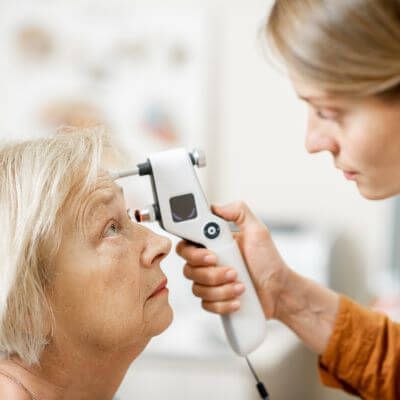
Managing your eye health can be a complex task, especially when it comes to understanding the role your medical insurance plays. Having the right knowledge and resources helps make the most of your coverage. In this blog, we demystify medical insurance for eye-related treatments, ensuring that you’re informed to make decisions about your visual well-being.young female eye surgeons examining an older female patient
Yes, medical insurance usually covers your ophthalmological care, which enhances your vision and monitors your health. Be sure to verify your insurance coverage before appointments to avoid surprises. Prior authorization and referrals are crucial for specialized care, varying by provider. Stay in contact with your primary care provider and Baptist Eye Surgeons ophthalmologist for individualized treatment.

What is Ophthalmological Care?

Ophthalmological care is the specialized medical focus on the health and well-being of the eyes. It encompasses a spectrum of services dedicated to preserving and enhancing vision. This includes comprehensive eye examinations that assess:

  • Visual acuity 
  • Eye diseases 
  • Overall health 

Comprehensive eye exams are of the utmost importance for maintaining overall health. They’re crucial for the early detection of conditions like glaucoma , cataracts , and macular degeneration . Identifying these issues early allows for timely intervention, potentially preventing complications and safeguarding your overall well-being. 

In addition to comprehensive exams, ophthalmological care encompasses eye surgery . To address various eye conditions and improve visual function, ophthalmologists perform procedures such as: 

Treatments for conditions like diabetic retinopathy and eye infections are also integral components of this care.

Prioritizing ophthalmological care isn’t limited to preserving vision. It also plays a crucial role in monitoring overall health and detecting systemic conditions in their early stages. This, in turn, significantly contributes to your overall well-being and quality of life.

Medical Insurance vs. Vision Insurance

Medical insurance and vision insurance serve distinct purposes in healthcare coverage. Vision insurance is a specialized policy designed to address routine eye care and related expenses. 

This includes services like: 

  • Routine eye exams 
  • Prescription eyeglasses 
  • Contact lenses 

Discounts on procedures like LASIK surgery may also be included, but its primary focus is on maintaining good eyesight and addressing common vision issues. What coverage and discounts your coverage includes depends on your insurance provider and specific plan.

Medical insurance covers a broader range of healthcare needs, including injuries, illnesses, surgeries, and preventive care for various parts of the body. This can extend to treatment for eye conditions unrelated to routine vision correction such as cataracts and glaucoma.

Specific ophthalmological services, particularly those involving the diagnosis and treatment of medical eye conditions, are typically covered by medical insurance. This includes visits to ophthalmologists for eye issues like:

  • Diseases 
  • Injuries 
  • Surgeries 

In general, ophthalmological treatment for eye issues goes beyond routine vision care. This is one of the reasons why specialized tests, treatments, and procedures related to eye health fall under medical insurance.

Check Your Insurance Before Scheduling An Appointment

female ophthalmologist performing eye surgeryChecking your medical insurance policy before scheduling an appointment with an ophthalmologist is crucial. It helps you avoid unexpected out-of-pocket expenses. Ophthalmological services can range from eye exams to specialized treatments. Knowing what your policy covers ensures you won’t be caught off guard by any unexpected costs.

To check your insurance policy, start by reviewing your plan documents. These can be found on your insurer’s website or by contacting their customer service. Look for sections related to: 

  • Eye care 
  • Vision services 
  • Ophthalmology 

Pay attention to terms like “routine eye exams,” “specialized treatments,” and any associated copayments or deductibles.

You can navigate insurance documents effectively by reading them thoroughly and taking note of key terms and phrases. Look for any exclusions or limitations related to ophthalmological services. Additionally, familiarize yourself with any pre-authorization requirements or referrals needed for certain procedures.

Checking your medical insurance policy before seeing an ophthalmologist ensures you have a clear understanding of what services are covered and what costs you may be responsible for. This proactive approach empowers you to make informed decisions about your eye care and financial well-being.

Prior Authorization and Referrals for Ophthalmological Care

There’s a structured process for gaining access to specialized ophthalmological care. 

To access specialized ophthalmological care, it’s crucial to follow a structured process for obtaining prior authorization and referrals. First, arrange an appointment with an ophthalmologist for an initial evaluation of your condition. During this visit, your ophthalmologist will assess the necessity of any specialized procedures or treatments. 

Following this, contact your health insurance provider to verify coverage details and inquire about procedures that may require prior authorization. Your ophthalmologist will provide the necessary documentation. This includes a diagnosis, treatment plan, and any supporting documents, to initiate the prior authorization request process. 

This request is then submitted to your insurance company, either electronically or via fax. The insurance company will conduct a review to determine if the procedure aligns with their criteria for medical necessity. This process may take several days to a few weeks.

Similarly, referrals from primary care physicians are instrumental in gaining access to specialized ophthalmological care. Schedule an appointment with your primary care physician (PCP) if you experience vision issues. They will evaluate your condition and, if necessary, issue a referral to an ophthalmologist. This will include information about the specialist and the reason for the referral. 

With the referral in hand, contact the ophthalmologist’s office to arrange an appointment, ensuring to provide them with the referral information. Following your visit with the ophthalmologist, it’s imperative to follow up with your PCP to discuss any recommended treatments or further steps in your care plan. 

It’s important to note that the specific procedures and requirements may vary depending on your insurance provider and healthcare facility. Staying in close communication with both your PCP and ophthalmologist is key to receiving the specialized care you need.

Do you need eye care in Knoxville that’s covered by medical insurance? Contact us today to schedule an appointment!

Ophthalmological care protects your vision and overall health. It’s covered by medical insurance. Verify insurance coverage before appointments to avoid unforeseen expenses. Prior authorization and referrals are crucial for specialized care, with procedures varying by provider. Keep in touch with your primary care provider and ophthalmologist for tailored treatment.

Baptist Eye Surgeons is an ophthalmological practice in Knoxville, TN, and Morristown, TN. Give us a call at 865-579-3920 for more information or to schedule an appointment .
July 29, 2026
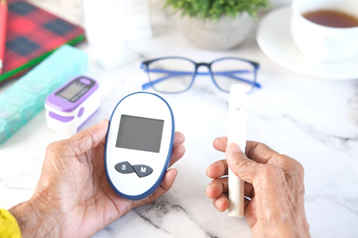
Diabetes affects various parts of the body, including your eyes. Keeping your blood sugar under control is not just good for your health overall, but it also helps protect your eyesight. Over time, high blood sugar can irritate the tiny blood vessels in your eyes and increase your risk of serious eye problems. Knowing how diabetes and eye health are linked can help you identify issues and take measures to protect your sight. How Does Diabetes Affect Eye Health? When blood sugar stays high, it can damage the blood vessels in the retina, which is the part of your eye that senses light and helps you see. Damaged blood vessels might leak fluid, swell, or change how well the retina works. Diabetic eye problems usually develop slowly, so you might not pick up on any changes in your vision until significant damage has occurred. That’s why it’s important for people with diabetes to get regular eye exams, even if their eyesight seems fine. Common Eye Conditions Linked to Diabetes People with diabetes are more likely to have certain eye problems. Finding and treating these issues early can lower the chance of losing vision permanently. 1. Diabetic Retinopathy Diabetic retinopathy is a common eye issue that happens when high blood sugar damages the retinal blood vessels. These damaged vessels may leak fluid, which may cause blurry vision, dark spots, or changes in how you see. In advanced cases, abnormal blood vessel growth can lead to serious problems. If diabetic retinopathy worsens, new abnormal blood vessels can grow, causing serious problems, including vision loss. Getting regular eye exams can help catch these changes early, before they become severe. When fluid is retained in the macula (part of the retina which focuses on sharp central vision), this swelling can make it harder to read, recognize faces, or see fine details clearly. When detected early, treatments can help reduce swelling and protect your eyesight. 3. Cataracts People with diabetes have a higher chance of getting cataracts early. Cataracts occur when the lens in your eye becomes cloudy, which can cause blurry vision, increased sensitivity to glare, and difficulty seeing clearly. While cataracts come with age, having diabetes can make them appear sooner or progress quicker. 4. Glaucoma Diabetes can also raise your risk for glaucoma, which is a group of eye diseases that harm the optic nerve. Glaucoma usually starts without any clear symptoms, but if it is not treated, it can cause permanent vision loss. Routine regular eye exams are important for finding glaucoma early and keeping your eyes healthy Diabetes-related eye problems might not cause symptoms at first. Still, there are some warning signs you should look out for: • Blurry or distorted vision • Difficulty focusing • Dark spots, floaters, or shadows in your sight • Increased sensitivity to glare • Trouble seeing colors clearly • Sudden alterations in vision • Partial or complete loss of vision If you notice sudden vision changes, contact an eye doctor as soon as possible. The Value of Regular Eye Exams for People With Diabetes Getting a full eye exam is one of the best ways to protect your vision if you have diabetes. During the examination, your physician will study your retina, look for symptoms of diabetic eye disease, and track any changes over time. Many eye problems linked to diabetes can be treated more easily if they are found early. Regular checkups help your eye doctor give you advice that fits your own eye health and diabetes care. Protecting Your Eyes When You Have Diabetes Looking after your general health is important for keeping your eyes healthy. Here are some things you can do to protect your vision: • Keeping blood sugar levels under control • Managing blood pressure and cholesterol • Scheduling regular diabetic eye exams • Following your diabetes treatment plan • Eating a balanced diet that promotes eye health • Avoiding smoking, which increases the risk of eye complications Prioritizing Your Vision and Eye Health Diabetes and eye health are closely linked, but you can lower your risk of serious vision problems by taking action early. Getting regular eye exams, making healthy choices, and managing your diabetes all help protect your eyesight. If you have diabetes, seeing your eye doctor regularly can help catch changes early and keep your vision clear for the future. Your eyes are a key part of your health, so make caring for them a priority at every age. 
June 30, 2026
Night vision problems can make everyday activities like driving at dusk, walking in poorly lit places, or adjusting to indoor lighting harder and sometimes unsafe. Trouble seeing in low light, called nyctalopia, is not a disease itself but a sign that something else may be affecting your eyes. Learning what causes night vision problems and when to get help is important for keeping your vision healthy. What Are Night Vision Problems? Night vision problems mean it is hard to see clearly in low light or darkness. Some people notice their eyes take longer to adjust when going from bright to dim places. Others may have trouble with glare from headlights, seeing less contrast, or things just looking dimmer at night. Mild changes in night vision can happen as you get older, but if your symptoms keep getting worse or do not go away, you should pay attention to them. Common Causes of Night Vision Difficulties There are several potential causes of night vision problems. Night vision problems can have many causes, from getting older to certain eye conditions, such as lens problems, leading to blurred vision and increased sensitivity to glare. They are one of the most common causes of poor night vision, especially in older adults. 1. Cataracts Cataracts cause clouding of the eye’s natural lens, leading to blurred vision and increased sensitivity to glare. They are one of the most common causes of poor night vision, especially in older adults. 2. Vitamin A Deficiency Vitamin A is important for keeping your retina healthy. If you do not get enough vitamin A, your eyes may have trouble adjusting to darkness, which can lead to night blindness. 3. Glaucoma Some types of glaucoma can affect your side vision and make it harder to see differences between light and dark. As the optic nerve gets damaged, seeing in low light can become more difficult. 4. Retinitis Pigmentosa This inherited eye condition slowly affects your ability to see at night and to the sides. Early signs often include trouble seeing in the dark. 5. Diabetes-Related Eye Disease Diabetic retinopathy can harm the blood vessels in your retina, which may cause blurry vision and make it harder to see at night. 6. Aging and Pupil Changes As people get older, their pupils do not react to light changes as quickly, and the retina becomes less sensitive. This naturally makes night vision worse over time. Symptoms to Watch For Night vision problems often develop slowly. Some common signs are: Difficulty seeing in low light or darkness Trouble driving at night due to glare from headlights Longer adjustment time when moving between light and dark environments Reduced contrast or clarity in dim settings Frequent squinting or eye strain in low light If these symptoms start to affect your daily life, it is a good idea to get a full eye check-up. When to See an Eye Doctor You should see an eye doctor if you notice new night vision problems, if they are getting worse, or if you have other changes in your vision. The doctor can run tests to find out what is causing the problem and suggest the right treatment. A full eye exam might include checking your retina, testing your field of vision, and taking images to look at your eye health. Finding problems early is very important for conditions like glaucoma, diabetic eye disease, and retinal disorders, because early treatment can help protect your vision. Protecting Your Night Vision Not all causes of night vision loss can be prevented, but taking care of your eyes can lower your risk and help you see better. Some helpful steps are: Scheduling regular eye exams Handling chronic health conditions like diabetes Eating a diet rich in vitamin A and antioxidants Wearing proper corrective lenses if prescribed Avoiding driving with untreated vision changes Prioritizing Your Eye Health Night vision problems can be an early sign of eye disease. Since many eye problems develop slowly, having regular eye exams is one of the best ways to catch changes early and keep your vision healthy for the long term. If you have trouble seeing at night or notice any changes in your vision, making an appointment for an eye exam can help keep your eyes healthy and your vision clear in all types of light.
Understanding Eye Pressure: What It Means for Glaucoma Risk
June 1, 2026
Understanding eye pressure, or intraocular pressure (IOP), is important for protecting your vision. IOP considerably affects the development and progression...