Cataract Surgery Recovery: What Should I Expect?

Baptist Eye Surgeons • March 1, 2021

Cataract surgery recovery can be a manageable process. While some side effects are possible during surgery, most people will only need to wear special sunglasses and use medicated eye drops to prevent complications. For the best results, follow your surgeon’s instructions closely and let them know if you notice any sudden changes in your vision.

Recovering from Cataract Surgery

You will be prescribed medicated eye drops to aid in the healing process. These can vary depending on your specific type of cataract, but you’ll usually be prescribed a few different kinds during the recovery period. They typically include:

  • Antibiotic eye drops to prevent infection
  • Corticosteroid eye drops to reduce pain, redness, and inflammation
  • Anti-inflammatory eye drops (NSAIDs) to reduce complications and prevent inflammation

Wearing postoperative sunglasses and using the medicated eye drops as directed are crucial for making a fast and complete recovery. The eyeshields should even be worn while sleeping or napping during the first week of recovery. 

Other Tips for Recovering from Cataract Eye Surgery

The protective sunglasses and medicated eye drops, when used correctly, will go a long way in making you feel as good as new after cataract surgery. However, it’s important to understand that just because you feel fine doesn’t mean that you shouldn’t take other safety precautions the first few weeks following surgery. 

One of your main goals in cataract recovery is avoiding straining your eye so it can heal. To ensure this doesn’t happen, avoid:

  • Heavy lifting
  • Bending over
  • Sneezing or vomiting
  • Bumping your eye into objects such as doors

Another important factor for recovery is protecting your eye from infection and irritants. To help prevent infection, don’t swim or use hot tubs for a week following your surgery. Keep away from irritants or carriers of irritants such as dirt, dust, pollen, and wind if possible. Avoid rubbing your eye since it may cause irritation, infection, and adds pressure to the eye.

Cataract Surgery Recovery Time

The biggest question if you’re considering the procedure is, “How long does it take to recover from cataract surgery?” Complete recovery usually takes around four weeks. This gives the eye plenty of time to heal with the aid of medicated eye drops.

The cataract surgery itself usually lasts around 15 minutes if there aren’t any other complications. With that said, you should expect to spend around 90 minutes at our surgical center as you are:

  • Prepped for surgery
  • Being operated on
  • Given a postoperative evaluation
  • Given aftercare instructions

Your long-term health and safety are our top priority. When working with our surgeons, you’ll have the tools and knowledge that you need to make a full and speedy recovery.

Cataract Surgery Side Effects

Not only is cataract surgery one of the most common surgical procedures performed in the U.S., but it’s also one of the safest. Over 3 million cataract procedures are performed a year and the vast majority of patients don’t experience any complications. 

That doesn’t mean that side effects don’t or can’t occur. We’ve already mentioned that medicated eye drops help alleviate pain, inflammation, and redness. Other side effects of cataract surgery may include:

You may also experience posterior capsule opacification , which can make it seem like your cataract has returned. A rare complication is intraocular lens dislocation , which results in the new lens moving out of its original position. Contact your eye doctor immediately if you experience any significant changes in your vision after surgery to get the treatment you need.

Fortunately, advances are always being made to decrease your risk of these types of complications. At Baptist Eye Surgeons, you can rest assured that our surgeons are at the forefront of these advances and will work tirelessly to ensure that you have the best outcome possible.

Recovering from cataract surgery can be a manageable process as long as you follow your surgeon’s instructions. The recovery process lasts around eight weeks and will require special sunglasses along with medicated eye drops to help prevent complications. Side effects are possible, but our surgeons stay up to date on the latest advancements to help prevent them.

Would you like to know more about cataract eye surgery and what to expect? If so, contact us today and schedule a consultation.

Baptist Eye Surgeons is an ophthalmological practice in Knoxville, TN, and Morristown, TN. Give us a call at 865-579-3920 for more information or to schedule an appointment.
July 29, 2026
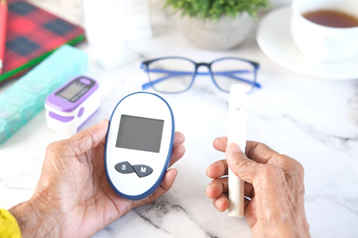
Diabetes affects various parts of the body, including your eyes. Keeping your blood sugar under control is not just good for your health overall, but it also helps protect your eyesight. Over time, high blood sugar can irritate the tiny blood vessels in your eyes and increase your risk of serious eye problems. Knowing how diabetes and eye health are linked can help you identify issues and take measures to protect your sight. How Does Diabetes Affect Eye Health? When blood sugar stays high, it can damage the blood vessels in the retina, which is the part of your eye that senses light and helps you see. Damaged blood vessels might leak fluid, swell, or change how well the retina works. Diabetic eye problems usually develop slowly, so you might not pick up on any changes in your vision until significant damage has occurred. That’s why it’s important for people with diabetes to get regular eye exams, even if their eyesight seems fine. Common Eye Conditions Linked to Diabetes People with diabetes are more likely to have certain eye problems. Finding and treating these issues early can lower the chance of losing vision permanently. 1. Diabetic Retinopathy Diabetic retinopathy is a common eye issue that happens when high blood sugar damages the retinal blood vessels. These damaged vessels may leak fluid, which may cause blurry vision, dark spots, or changes in how you see. In advanced cases, abnormal blood vessel growth can lead to serious problems. If diabetic retinopathy worsens, new abnormal blood vessels can grow, causing serious problems, including vision loss. Getting regular eye exams can help catch these changes early, before they become severe. When fluid is retained in the macula (part of the retina which focuses on sharp central vision), this swelling can make it harder to read, recognize faces, or see fine details clearly. When detected early, treatments can help reduce swelling and protect your eyesight. 3. Cataracts People with diabetes have a higher chance of getting cataracts early. Cataracts occur when the lens in your eye becomes cloudy, which can cause blurry vision, increased sensitivity to glare, and difficulty seeing clearly. While cataracts come with age, having diabetes can make them appear sooner or progress quicker. 4. Glaucoma Diabetes can also raise your risk for glaucoma, which is a group of eye diseases that harm the optic nerve. Glaucoma usually starts without any clear symptoms, but if it is not treated, it can cause permanent vision loss. Routine regular eye exams are important for finding glaucoma early and keeping your eyes healthy Diabetes-related eye problems might not cause symptoms at first. Still, there are some warning signs you should look out for: • Blurry or distorted vision • Difficulty focusing • Dark spots, floaters, or shadows in your sight • Increased sensitivity to glare • Trouble seeing colors clearly • Sudden alterations in vision • Partial or complete loss of vision If you notice sudden vision changes, contact an eye doctor as soon as possible. The Value of Regular Eye Exams for People With Diabetes Getting a full eye exam is one of the best ways to protect your vision if you have diabetes. During the examination, your physician will study your retina, look for symptoms of diabetic eye disease, and track any changes over time. Many eye problems linked to diabetes can be treated more easily if they are found early. Regular checkups help your eye doctor give you advice that fits your own eye health and diabetes care. Protecting Your Eyes When You Have Diabetes Looking after your general health is important for keeping your eyes healthy. Here are some things you can do to protect your vision: • Keeping blood sugar levels under control • Managing blood pressure and cholesterol • Scheduling regular diabetic eye exams • Following your diabetes treatment plan • Eating a balanced diet that promotes eye health • Avoiding smoking, which increases the risk of eye complications Prioritizing Your Vision and Eye Health Diabetes and eye health are closely linked, but you can lower your risk of serious vision problems by taking action early. Getting regular eye exams, making healthy choices, and managing your diabetes all help protect your eyesight. If you have diabetes, seeing your eye doctor regularly can help catch changes early and keep your vision clear for the future. Your eyes are a key part of your health, so make caring for them a priority at every age. 
June 30, 2026
Night vision problems can make everyday activities like driving at dusk, walking in poorly lit places, or adjusting to indoor lighting harder and sometimes unsafe. Trouble seeing in low light, called nyctalopia, is not a disease itself but a sign that something else may be affecting your eyes. Learning what causes night vision problems and when to get help is important for keeping your vision healthy. What Are Night Vision Problems? Night vision problems mean it is hard to see clearly in low light or darkness. Some people notice their eyes take longer to adjust when going from bright to dim places. Others may have trouble with glare from headlights, seeing less contrast, or things just looking dimmer at night. Mild changes in night vision can happen as you get older, but if your symptoms keep getting worse or do not go away, you should pay attention to them. Common Causes of Night Vision Difficulties There are several potential causes of night vision problems. Night vision problems can have many causes, from getting older to certain eye conditions, such as lens problems, leading to blurred vision and increased sensitivity to glare. They are one of the most common causes of poor night vision, especially in older adults. 1. Cataracts Cataracts cause clouding of the eye’s natural lens, leading to blurred vision and increased sensitivity to glare. They are one of the most common causes of poor night vision, especially in older adults. 2. Vitamin A Deficiency Vitamin A is important for keeping your retina healthy. If you do not get enough vitamin A, your eyes may have trouble adjusting to darkness, which can lead to night blindness. 3. Glaucoma Some types of glaucoma can affect your side vision and make it harder to see differences between light and dark. As the optic nerve gets damaged, seeing in low light can become more difficult. 4. Retinitis Pigmentosa This inherited eye condition slowly affects your ability to see at night and to the sides. Early signs often include trouble seeing in the dark. 5. Diabetes-Related Eye Disease Diabetic retinopathy can harm the blood vessels in your retina, which may cause blurry vision and make it harder to see at night. 6. Aging and Pupil Changes As people get older, their pupils do not react to light changes as quickly, and the retina becomes less sensitive. This naturally makes night vision worse over time. Symptoms to Watch For Night vision problems often develop slowly. Some common signs are: Difficulty seeing in low light or darkness Trouble driving at night due to glare from headlights Longer adjustment time when moving between light and dark environments Reduced contrast or clarity in dim settings Frequent squinting or eye strain in low light If these symptoms start to affect your daily life, it is a good idea to get a full eye check-up. When to See an Eye Doctor You should see an eye doctor if you notice new night vision problems, if they are getting worse, or if you have other changes in your vision. The doctor can run tests to find out what is causing the problem and suggest the right treatment. A full eye exam might include checking your retina, testing your field of vision, and taking images to look at your eye health. Finding problems early is very important for conditions like glaucoma, diabetic eye disease, and retinal disorders, because early treatment can help protect your vision. Protecting Your Night Vision Not all causes of night vision loss can be prevented, but taking care of your eyes can lower your risk and help you see better. Some helpful steps are: Scheduling regular eye exams Handling chronic health conditions like diabetes Eating a diet rich in vitamin A and antioxidants Wearing proper corrective lenses if prescribed Avoiding driving with untreated vision changes Prioritizing Your Eye Health Night vision problems can be an early sign of eye disease. Since many eye problems develop slowly, having regular eye exams is one of the best ways to catch changes early and keep your vision healthy for the long term. If you have trouble seeing at night or notice any changes in your vision, making an appointment for an eye exam can help keep your eyes healthy and your vision clear in all types of light.
Understanding Eye Pressure: What It Means for Glaucoma Risk
June 1, 2026
Understanding eye pressure, or intraocular pressure (IOP), is important for protecting your vision. IOP considerably affects the development and progression...