Dry Eye & Allergies: How to Tell the Two Apart
Dry, itchy or watery eyes can make simple day to day activities quite uncomfortable, particularly if the symptoms are affecting your ability to read, work or enjoy time outside. The two most common causes of eye discomfort are dry eye disease and eye allergies. They can present in a very similar way so it's important to be able to differentiate between the two in order to know when you need to see an eye care professional. An eye examination at Baptist Eye Surgeons will help to establish the cause of your symptoms and will allow us to recommend the most appropriate treatment.
What is the difference between dry eye and eye allergies?
Dry eye disease is essentially the condition where your eyes either aren't producing enough tears or the tears produced are evaporating too quickly to adequately lubricate the surface of the eye. The result is typically irritation, redness, a gritty feeling and sometimes quite the opposite of what you'd expect in the form of excessive tearing.
Eye allergies (allergic conjunctivitis) are basically your immune system reacting to an allergen (pollen, dust mites, mold, pet dander etc). The result of that reaction is the release of histamine and other mediators which can lead to itching, redness and swelling.
As both conditions may result in red, watery and uncomfortable eyes, it's important to be able to recognize the specific symptoms in order to get to the root of the problem and find relief.
Dry Eye vs. Allergies: Common Symptoms to Watch For
Although there is some overlap between the two conditions there are certain symptoms which may help you to tell them apart.
1. Itchy Eyes vs. Burning and Grittiness
One of the most obvious differences is the kind of discomfort you're suffering. Eye allergies are very much associated with intense itching (to the point where you're constantly itching the eyes) and with swelling of the eyelids.
Dry eye disease is more likely to cause a burning, stinging sensation (as if something is in your eye) or a gritty feeling. Your eyes will often feel tired and/or irritated, particularly after reading, working at a computer or being in an air conditioned environment.
2. Watery Eyes and Excessive Tearing
Both dry eye and allergies can lead to watery eyes, just that the mechanism is different in each case.
With dry eye disease, irritation can trigger a reflex which results in an overproduction of watery tears. These tears may well be in fact more of a problem than a solution as they won't provide the sustained lubrication that your eyes require.
With allergies you often get watery eyes along with itching, redness and swelling of the eyelids. These can become quite apparent after exposure to pollen, dust and so on.
3. Seasonal Symptoms and Environmental Triggers
The timing of your symptoms can be of some use in terms of giving you a clue.
Eye allergies are a common problem and tend to be worse at certain times of year (particularly when pollen counts are high). They can also occur year-round if you're exposed to indoor allergens such as dust mites and pet dander.
Dry eye symptoms can occur all year round and can be made worse in dry, windy or air conditioned environments. Lengthy screen time, ageing, certain medications and some medical conditions may all contribute to dry eye disease.
4. How Symptoms Affect Both Eyes
Allergic conjunctivitis will typically affect both eyes and is very often associated with quite marked itching. Dry eye can also affect both eyes, though the symptoms may be quite different in the two eyes.
Neither pattern alone is definitive for determining the cause of eye irritation.
How Are Dry Eye and Eye Allergies Diagnosed?
An eye exam enables your eye care professional to assess your symptoms, take your medical history and look for any signs of irritation or inflammation.
Depending on your symptoms, the testing may look at tear production, tear quality, tear evaporation and the surface of the eye. Your eye care professional may also look at environmental triggers and other conditions which may be playing a part in your symptoms.
Accurate diagnosis is important as dry eye and allergies can require different treatments and in some cases both can be present at the same time.
How can you find relief from eye irritation?
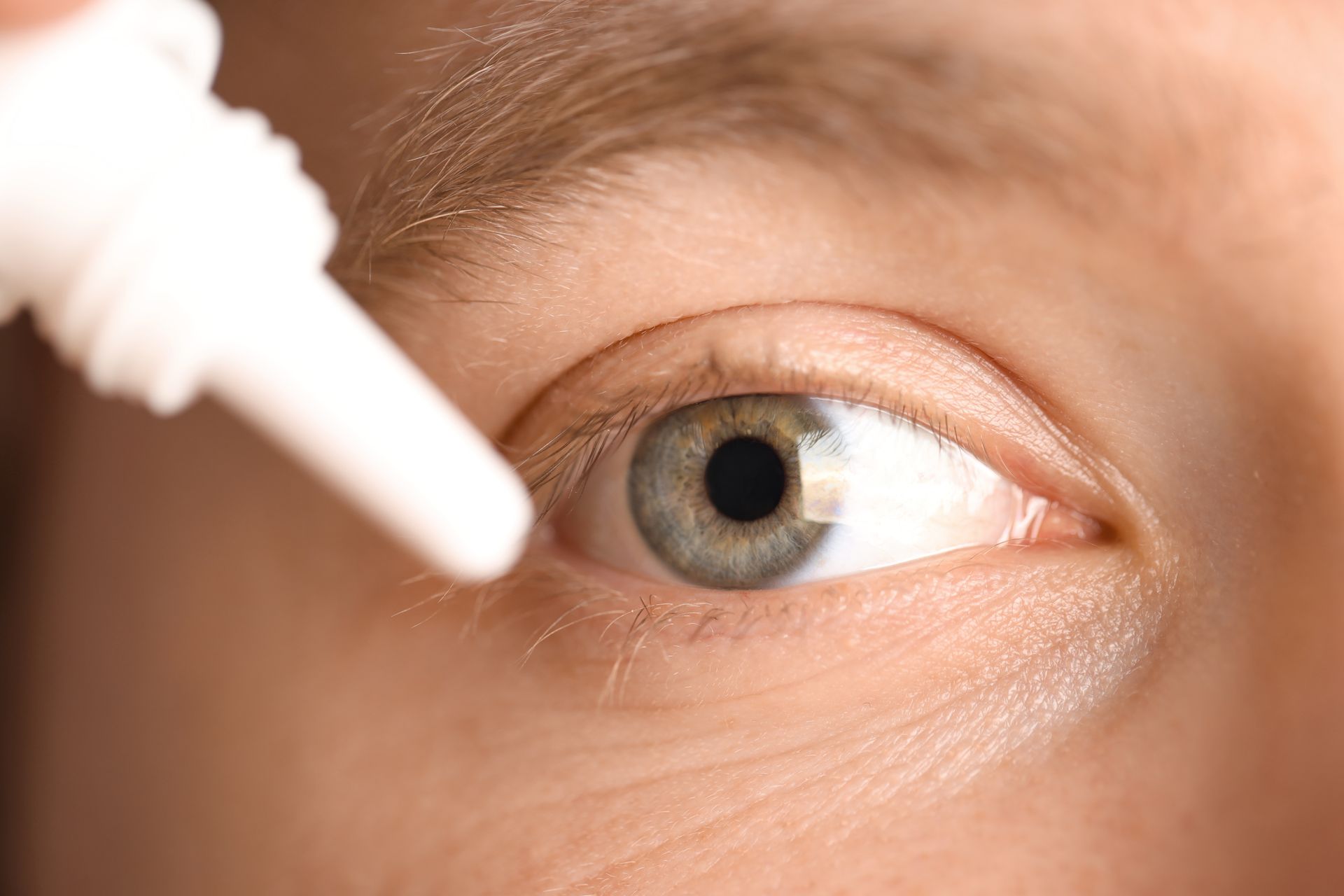
Treatment is dependent on the etiology of your symptoms. Artificial tears may be of some help in the relief of dry eye discomfort, allergy medication or antihistamine eye drops may be of benefit in the management of allergic symptoms. Your eye care professional will be in a position to advise you on the most appropriate options for you.
Don't rub your eyes and consider minimizing exposure to any known irritants/allergens. If the symptoms continue, get worse or keep coming back then you should have an eye exam rather than just carrying on treating them without knowing the actual cause.
Get prompt medical attention for severe eye pain, sudden change in vision, intense light sensitivity or severe redness.
Protecting Your Eye Health
Knowing the difference between dry eye and allergies can go a long way to helping you understand your symptoms and get to the root of the problem so that you can take appropriate steps to alleviate them. The issue is that the two conditions can present with such similar symptoms that a proper assessment by a professional is often the only way to work out which one you actually have.
If you are experiencing persistent itching, burning, redness, or watery eyes, schedule an appointment with Baptist Eye Surgeons. An eye care professional can help identify the source of your symptoms and develop a treatment plan to support your comfort and long-term eye health.