August 28, 2026
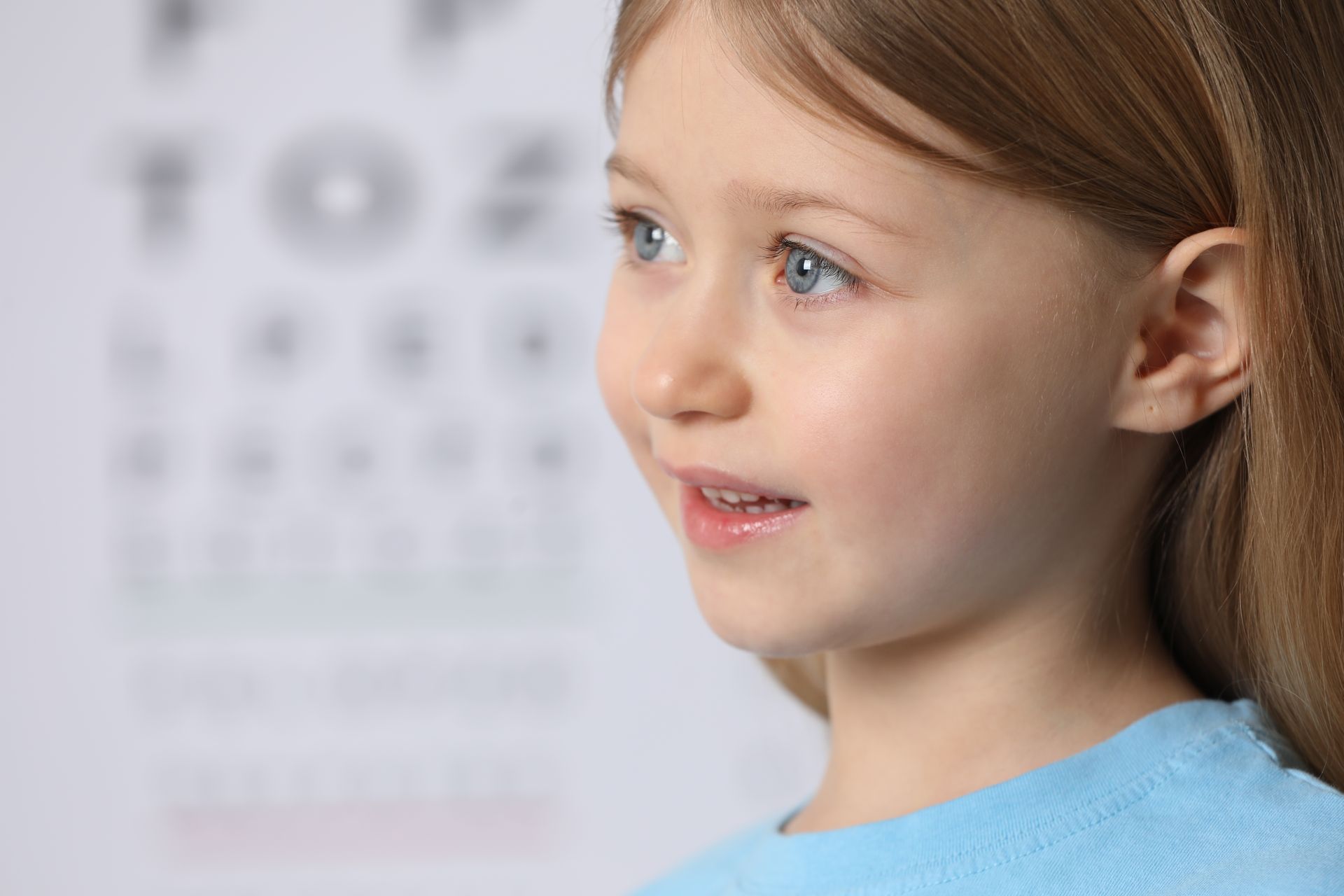
Healthy vision is essential for a child's development, learning, and daily activities. From recognizing faces in infancy to reading, participating in sports, and navigating school, children depend on their eyesight to interpret and relate to their environment. Knowing typical vision milestones helps parents spot possible issues and seek appropriate care when needed. How Does Vision Develop in Children? Vision develops rapidly during the first years of life. Newborns perceive light, shapes, and nearby objects, although their vision remains immature. As children mature, their capacity to focus, track moving objects, recognize details, and coordinate both eyes improves progressively. Due to the gradual nature of visual development, regular eye examinations are essential. Certain childhood vision problems may not be readily apparent, especially when one eye is stronger than the other. Although each child develops at an individual pace, several general vision milestones may guide parental observation. 1. Infants: Birth to 12 Months Within the first year, infants typically develop the ability to focus on faces and objects, visually track moving items, and reach for objects they observe. Caregivers may also observe infants responding to known faces and visually exploring their environment. If an infant does not track objects, exhibits eyes that frequently cross or wander, or fails to respond visually to people or objects, these concerns should be discussed with a pediatrician or eye care professional. 2. Toddlers: Ages 1 to 3 As children become more active, their visual skills continue to develop. Toddlers rely on vision to walk, climb, manipulate small objects, and interact with toys. Over time, they typically improve in identifying familiar people and objects and in coordinating eye and hand movements. Frequent eye rubbing, squinting, sitting close to screens, or difficulty seeing objects could indicate the need for an eye exam. 3. Preschool and School-Age Children By preschool and early elementary school, children utilize vision for detailed activities including coloring, drawing, letter recognition, reading, and participating in games. Effective eye coordination and focusing abilities support learning and classroom performance. Children may not always realize their vision differs from other children’s, so parents should watch for signs such as headaches, avoiding reading, losing their place while reading, holding books unusually close, or struggling to see the board. Signs of Possible Vision Problems Caregivers should monitor for changes in a child's vision or behavior. Potential warning signs include: Frequent squinting or eye rubbing Eyes that cross, wander, or do not move together Complaints of blurry or double vision Frequent headaches Difficulty reading or concentrating Sitting very close to a television or screen Tilting or turning the head to see Covering or closing one eye Difficulty recognizing objects or seeing at a distance Avoiding activities that require close or distance vision If you notice these signs, speak with a pediatrician or eye care professional. The Importance of Children’s Eye Exams Regular eye examinations can identify vision problems before they interfere with learning and development. Eye care professionals assess visual acuity, binocular coordination, and common childhood eye conditions. Early detection matters because some vision problems are easier to address when identified in childhood. Parents must follow their child’s healthcare provider's recommendations for vision screenings and comprehensive eye exams. Helping Protect Your Child’s Vision Caregivers can promote healthy vision by encouraging beneficial habits. These include spending time outdoors, taking regular screen breaks, using appropriate protective eyewear during activities, maintaining a balanced diet, and attending recommended pediatric and eye care appointments. Supporting Healthy Vision at Every Age Knowing children's vision milestones helps caregivers distinguish typical development and spot possible issues early. Throughout infancy and the school years, monitoring how a child sees, focuses, and interacts with their environment is vital for supporting healthy development. If you notice concerns about a child's eyesight or alterations in vision, consult a healthcare provider or eye care professional. Early attention to vision supports learning, development, confidence, and overall quality of life.


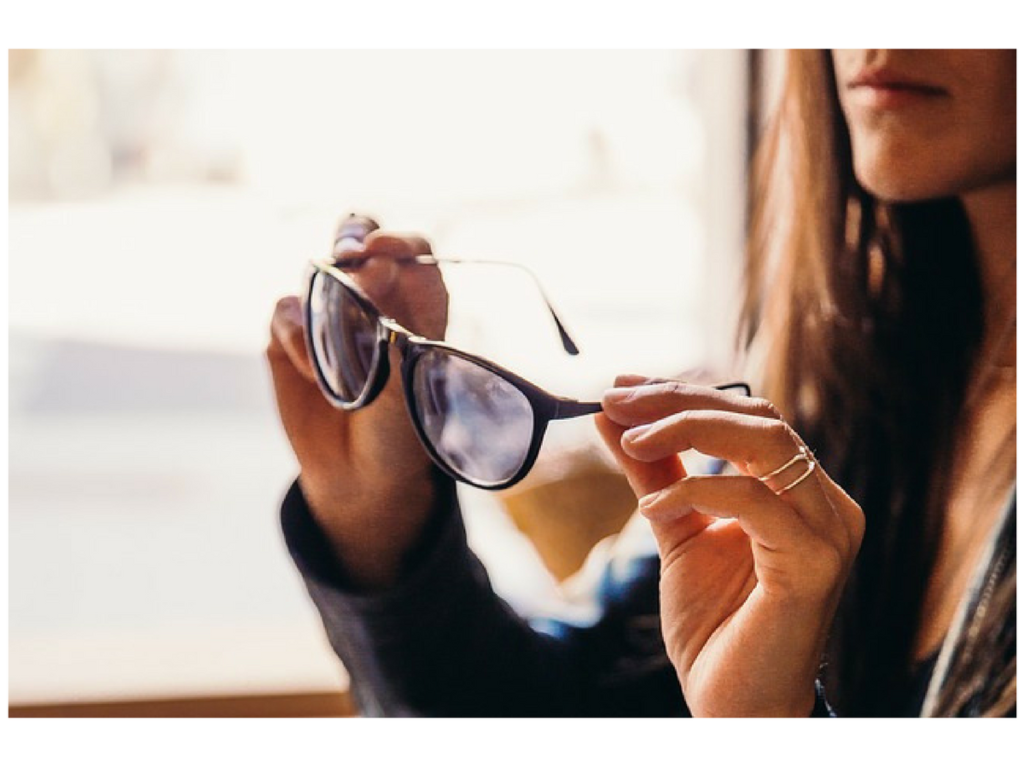 Summer is here and that means sun exposure is at an all time high. Protecting your eyes from damaging rays is as important as protecting your skin. We’ve found that although many people understand the importance of ultraviolet (UV) protection, they don’t realize that many stores sell the “wrong” type of sunglasses. If you’re considering purchasing a new sunglasses, here are a few things you should look for in a good pair: