Did You Know Women Have A Higher Risk Of Developing Eye Disease? Here’s Why.
 Prevent Blindness has designated April as Women’s Eye Health and Safety Month
in an effort to educate women about their increased risk of developing eye diseases and inform them about how they can help preserve their vision in the future. This month, ophthalmologists across the country—including those at Baptist Eye Surgeons—are promoting awareness of common eye diseases that affect women.
Prevent Blindness has designated April as Women’s Eye Health and Safety Month
in an effort to educate women about their increased risk of developing eye diseases and inform them about how they can help preserve their vision in the future. This month, ophthalmologists across the country—including those at Baptist Eye Surgeons—are promoting awareness of common eye diseases that affect women.
According to Prevent Blindness, women make up the majority of the 4.4 million Americans over age 40 who are visually impaired or blind. More women than men have cataracts, glaucoma, and age-related macular degeneration. However, not many of us are aware of this gender disparity. According to a study conducted by the organization:
- Less than 10% of American women realize that women are at a greater risk of suffering permanent vision loss than men.
- 86% incorrectly believe that men and women are at equal risk.
- 5% believe that men are at greater risk.
Hormones, Genetics, And Lifestyle
Why do women have a greater risk of developing eye diseases than men? Hormones are one factor. Pregnant women are particularly susceptible to dry eye syndrome, eye puffiness, light sensitivity, and changes in prescription lenses. In addition, women who are going through menopause have a greater risk of developing dry eye syndrome and uveitis, or inflammation of the eye.
Genetics also play a role in women’s risk of developing eye diseases, as do lifestyle choices such as smoking, diet, and alcohol consumption. To reduce the risk of developing a common eye disease, it’s recommended that women:
- Know your family history of glaucoma, macular degeneration, and cataracts
- Have an annual complete eye exam, including eye dilation
- Maintain good nutrition
- Don’t smoke
- Wear UV-blocking sunglasses
- Use contact lenses safely
- Use cosmetics safely
- Avoid excessive alcohol consumption
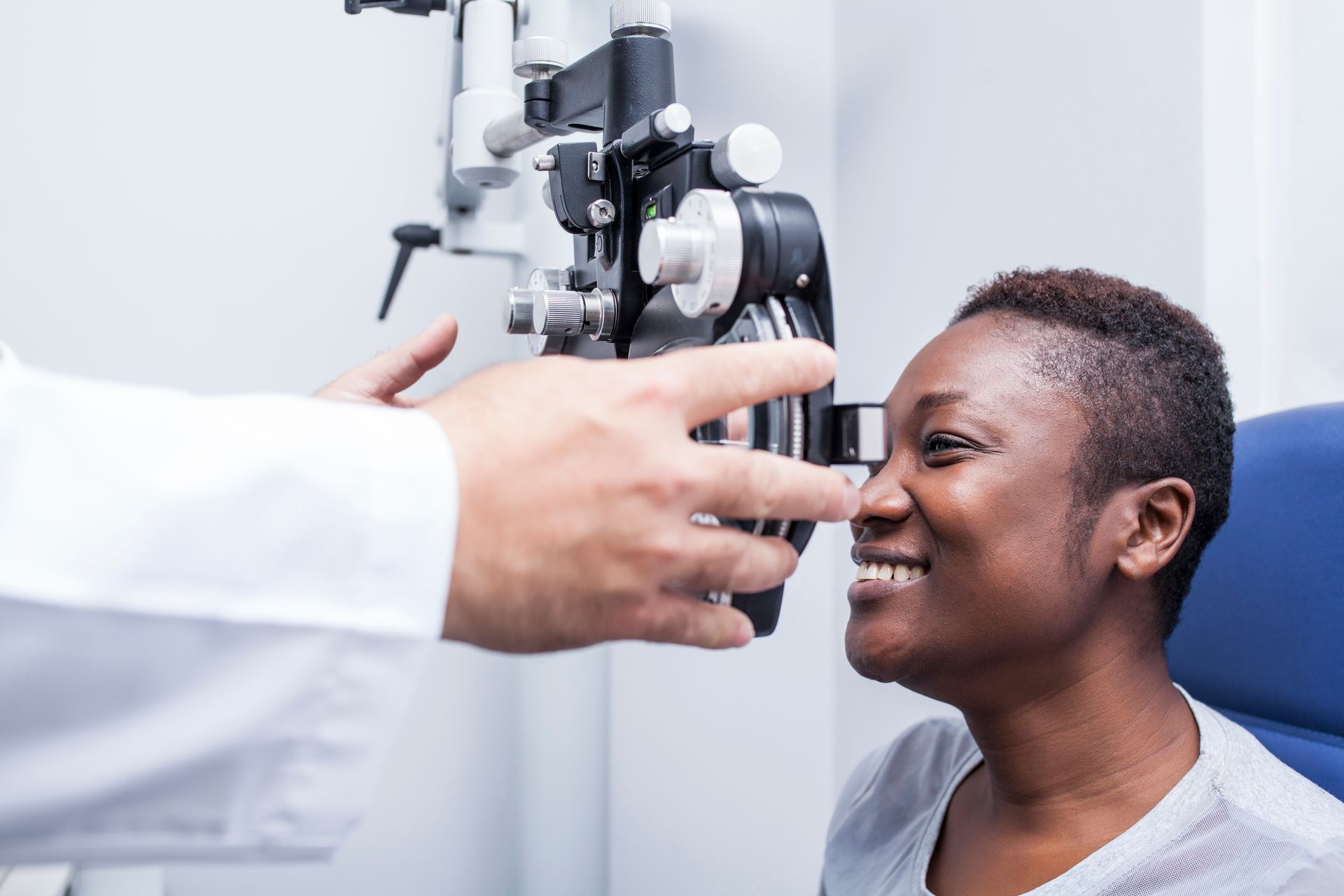
The first thing every woman should do, especially those who are 40 and older, is get a dilated comprehensive eye exam. It’s only through dilated eye exams that ophthalmologists are able to detect common eye diseases, even at their earliest stages, including glaucoma, macular degeneration, cataracts, retinal detachment, and tumors. Dilated eye exams also enable the eye doctor to detect health conditions such as diabetes and high blood pressure.
Baptist Eye Surgeons is an ophthalmological practice in Knoxville, TN, and Morristown, TN, dedicated to providing quality eye care to patients whose needs range from routine comprehensive eye examinations to complex eye surgeries. To meet our doctors and learn more about our specialities, visit our website or give us a call at 865-579-3920 for more information or to schedule an appointment.