What Can I Expect Before My LASIK Procedure?
Like many people, you may be considering LASIK surgery to fix your vision problems. But more goes into getting LASIK than simply scheduling a procedure.
First, you’ll need to understand what LASIK actually is and why it may benefit you. You’ll then schedule a consultation with your ophthalmologist to see if you qualify for the procedure. Once approved, you will need to do your part in ensuring that the procedure goes smoothly, as well as understanding the risks that may be involved.
LASIK is primarily for distance vision correction. Patients over the age of 40 may still require the assistance of reading glasses after the procedure.
What is LASIK Surgery?
Before jumping into what to expect, it can help to know what LASIK surgery actually is. The human eye functions a lot like a film camera by using refraction to create images. The cornea helps us focus light, which creates an image on the retina.
Unfortunately, not everyone’s cornea is perfectly shaped. This results in vision that’s often described as blurry, distorted, or out of focus due to refractive errors .
Refractive errors come in three main forms:
- Astigmatism
- Myopia
- Hyperopia
Those with astigmatism experience distorted images on the retina due to an error in the shape of the lens or cornea of the eye. Myopia is another term for nearsightedness . People with this condition have a harder time seeing things that are far away. Hyperopia is the opposite of myopia and is also known as farsightedness , meaning that you have trouble seeing things up close, but can also have difficulty with distance vision.
LASIK surgery is one of a few different refractive surgeries which seek to remove anything that may keep your eyes from focusing clearly. LASIK does this by using a special laser that changes the shape of the cornea, which helps change its focus. This helps our patients see more details and more clearly, improving their confidence and quality of life.
Now that we’ve established what LASIK surgery is and who may need it, let’s look at what to expect before your procedure. LASIK surgery can improve people’s lives in so many ways.
Click here to learn the difference LASIK made in one patient’s life!
Your LASIK Consultation
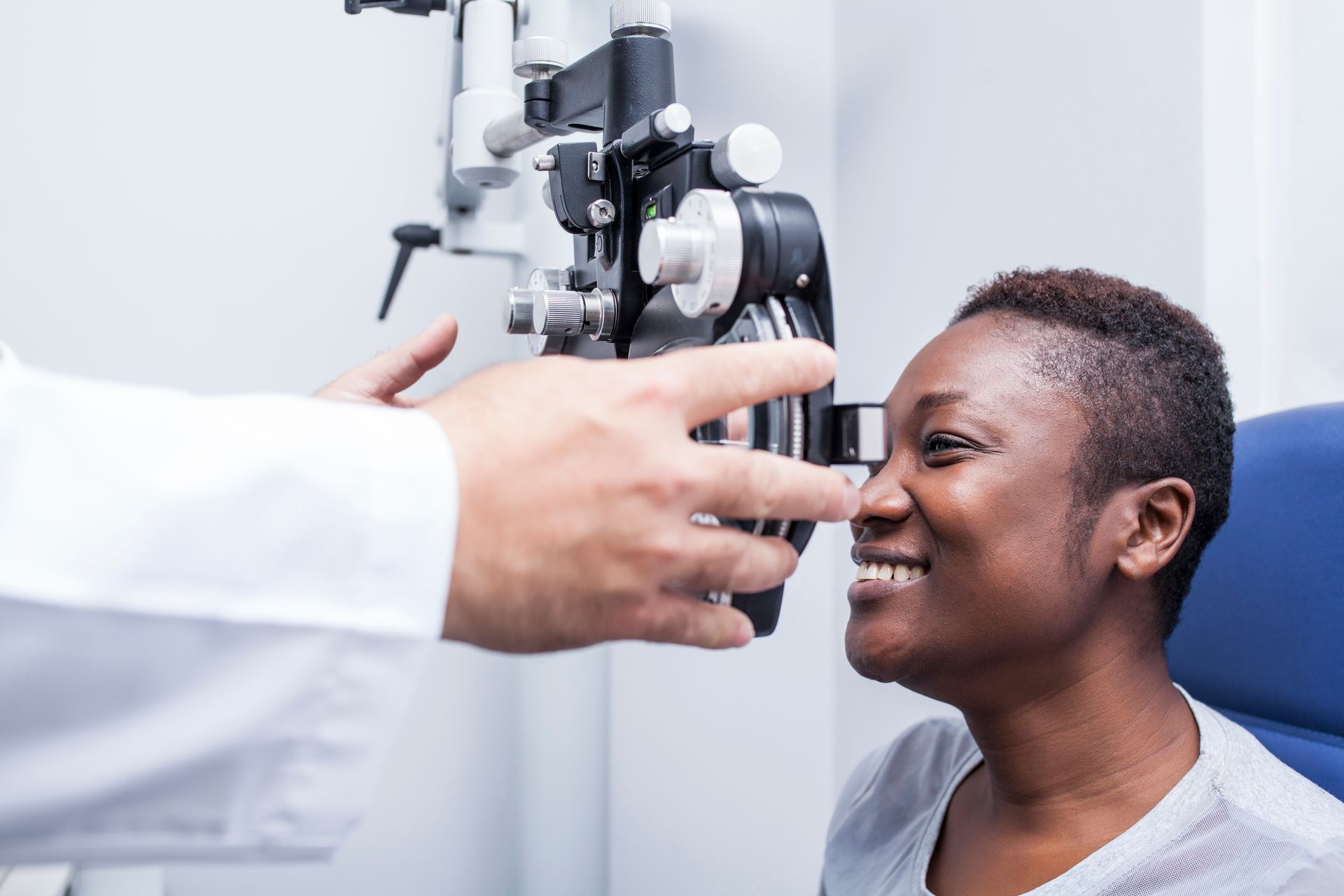
Before you schedule the procedure, you’ll need to meet with your ophthalmologist to see if you’re a good candidate for LASIK. Despite being such a beneficial procedure, not everyone is a good candidate. Your ophthalmologist has been well-trained in identifying those who qualify and those who don’t in order to protect patients’ long-term eye health.
Disqualifying factors include:
- Corneas that are too thin
- Extreme cases of astigmatism, myopia, or hyperopia
- Advanced glaucoma
- Poorly managed diabetes
- Pregnant or nursing
- Severe dry eye
- Corneal scarring or keratoconus
This list is far from exhaustive. Your ophthalmologist will determine whether you’re a good candidate for LASIK surgery. Along with not having certain conditions, there are other requirements you must meet before being approved for the procedure.
Qualifying factors include:
- An eye prescription that hasn’t drastically changed since last year
- Healthy corneas that are thick enough for LASIK
- A refractive problem that can actually be treated with LASIK
- Realistic expectations about LASIK
- Be at least 19 years old with a stable refraction
Special measurements of your eyes will be taken to determine if you qualify for LASIK. This includes your cornea size, pupil size, and the size of your refractive error. All of these precautions are designed to ensure your safety before, during, and after your LASIK procedure.
Preparing for LASIK Surgery
Once you’re approved for LASIK surgery, you’ll need to begin preparing for the procedure. People who wear contacts will have to stop wearing them for a few weeks leading up to their evaluation and prior to surgery. This is because contacts can change the shape of your cornea which can affect your results. Your doctor will give you instructions based on the type of contacts you wear and how long you have worn them.
Your surgeon will also want a list of any medications that you’re taking . This includes any over-the-counter medications you may take. This may seem overly cautious, but the truth is that OTCs like acne medications and even decongestants can lead to complications during LASIK surgery. So be honest with your surgeon since your safety is their chief concern.
You will also want to skip wearing any cosmetics, lotions, or perfumes on the day of your surgery. Cosmetics like mascara can actually increase your chances of getting an infection, which no one wants, while perfumes and lotions can cause the laser to not function properly.
Another important thing to know is that you will need a ride to and from surgery . There’s a chance that your surgeon will give you medication to help you relax on top of numbing eye drops. You don’t want to be behind the wheel in that condition. LASIK procedures usually take fewer than 30 minutes, so ask a friend to help you get home!
To learn what happens during LASIK surgery, click here !
Understanding the Risks of LASIK
There are risks in everything we do, including refractive surgery. While complications resulting from LASIK are rare, there are some common side effects which include dry eyes and vision problems such as glare. Fortunately, these symptoms are typically not long-term and can begin to fade a few weeks or months after your surgery.
Other risks of LASIK surgery include:
- Infection
- Double vision
- Regression
- Undercorrections
- Overcorrections
- Glare or halos
While there are risks, complications resulting from LASIK surgery are highly unlikely. According to the American Refractive Surgery Council :
Less than one percent of LASIK patients experience these surgical complications. That’s one percent, as opposed to 30 percent that report transient side effects.”
Your surgeon will do everything possible to prevent any unlikely complications and allow you to make a speedy recovery.
Are you interested in getting LASIK in Knoxville, TN? Contact us today to schedule your appointment!
LASIK surgery is a refractive surgery that removes anything that may keep your eyes from focusing clearly. Before scheduling your procedure, you’ll need to meet with your ophthalmologist to see if you’re a good candidate. Once approved, you’ll begin preparing for surgery. Complications resulting from LASIK are rare, but there are some common side effects that you should be aware of.
Baptist Eye Surgeons is an ophthalmological practice in Knoxville, TN, and Morristown, TN. Give us a call at 865-579-3920 for more information or to schedule an appointment .