5 Important Questions to Ask When Scheduling Eye Surgery

Baptist Eye Surgeons • September 1, 2021

*This blog was originally published on 05/11/2017 and has been updated 

It’s always a good idea to ask your doctor questions during your appointment when scheduling eye surgery. Surgery is always a nerve-wracking experience, so anything to help reduce your fears and worries is a great idea. To help you get a handle on what’s to come, pose these questions to your ophthalmologist when scheduling eye surgery.

  • How many surgeries like this have you performed?
  • How do I prepare for surgery?
  • What’s the success rate of the procedure?
  • Are there any risks associated with my eye surgery?
  • Where can I learn more about this procedure?

Important Questions to Ask When Scheduling Eye Surgery

While not specifically about eye surgery, the experts at the Mayo Clinic have provided this useful video of general questions to ask before surgery. Check it out to collect any questions to ask that can help deepen your knowledge and provide you peace of mind leading up to, during, and recovering from your procedure. 

1. How many surgeries like this one have you performed? 

At Baptist Eye Surgeons, you can rest easy knowing that all of our surgeons are experts and well-experienced in their chosen field. However, it can help to have a concrete number in your mind. Talk to your eye surgeon about their experience with your procedure. Once you understand their expertise, you can go into surgery with a lot more confidence.

2. How do I prepare for surgery?

They say knowledge is power, and knowledge can definitely give you power over your fear of eye surgery. Knowing what will happen during your procedure and why gives you a leg-up by letting you know what to expect and how to prepare. 

Let’s use cataract surgery as an example. When preparing for this procedure, you want to make sure that you’ve been using your prescribed eye drops as directed. You’ll also want to pick up your post-surgical eye drops before your actual procedure to help make the recovery period go by more smoothly.

On the other hand, you’ll want to avoid using tobacco of any kind. Talk to your doctor about eating and drinking beforehand since this can depend on when your surgery is scheduled for.

Are you interested in a more detailed look at what preparing for surgery can look like? Read What Should I Expect During My Cataract Surgery? to learn more! 

3. What’s the success rate of the procedure?

An older man with a beard and gray hair is sitting on a couch.

Around 129 million surgeries were performed in the United States in 2018 and that number is expected to grow to around 144 million by 2023. While those numbers wouldn’t be possible if success rates were low, it can still leave you wondering about the success rate of your particular procedure.

There are more types of eye surgeries than we can cover in one blog post. With that said, some of the most common and popular procedures we perform include:

  • Cataract surgery
  • LASIK surgery
  • Glaucoma surgery

Cataract surgery has around a 99% success rate according to the University of California, Irvine . Similarly, LASIK surgery results in 90% of patients having 20/20 vision or better, and a little over 99% of patients achieving at least 20/40 vision. 

You have more options for glaucoma surgery , which results in different success rates. Laser surgery is usually the first recommendation with a success rate of 80% . Unfortunately, this tends to drop to around 60 – 66% after two years. However, incisional surgery has a 70 – 90% success rate with the chance of the drainage hole needing to be reopened later on. 

Want to learn more about our eye procedures? Read our Eye Surgery page  to find out more!

4. Are there any risks associated with my eye surgery?

There are risks of complications during any surgical procedure. Take cataract surgery, for instance. We just mentioned that cataract surgery has a success rate of around 99%. While this is great news, the procedure can still result in complications.

These complications can include:

  • Infection
  • Bleeding
  • Inflammation
  • Drooping eyelid
  • Retinal detachment

Fortunately, many of these complications can be avoided by following your surgeon’s recovery instructions. While the surgery itself only takes around 15 minutes, it takes around 4 weeks to recover. It’s essential during this time to avoid strenuous physical activities and use your medicated eye drops as instructed to aid in the healing process.

Make sure to follow your doctor’s orders after any type of eye surgery. They will help protect your vision, keep your eyes comfortable, and help ensure as fast a recovery process as possible.

Would you like to learn more about recovering from cataract surgery? Read Cataract Surgery Recovery: What Should I Expect? to know what to find out!

5. Where can I learn more about this procedure?

The American Academy of Ophthalmology’s Eyesmart site is a great place to get started. There, you can learn about common eye topics ranging from age-related macular degeneration (AMD) to styes. Whether you’re needing to schedule surgery or have just been diagnosed with an eye disease, it always helps to get more information from one of our favorite sources.

It’s important to ask questions when scheduling surgery to help give yourself peace of mind. These can include questions about your surgeon’s experience, preparation, success rate, risks, and learning more about your condition and the procedure. Watch the video at the beginning for other questions, as well as download our list of questions to ask during your appointment. 

Click here to download and print our handy list of questions to bring to your appointment!

Baptist Eye Surgeons is an ophthalmological practice in Knoxville, TN, and Morristown, TN. Give us a call at 865-579-3920 for more information or to schedule an appointment .
July 29, 2026
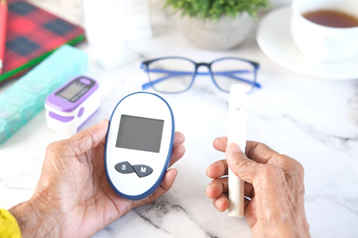
Diabetes affects various parts of the body, including your eyes. Keeping your blood sugar under control is not just good for your health overall, but it also helps protect your eyesight. Over time, high blood sugar can irritate the tiny blood vessels in your eyes and increase your risk of serious eye problems. Knowing how diabetes and eye health are linked can help you identify issues and take measures to protect your sight. How Does Diabetes Affect Eye Health? When blood sugar stays high, it can damage the blood vessels in the retina, which is the part of your eye that senses light and helps you see. Damaged blood vessels might leak fluid, swell, or change how well the retina works. Diabetic eye problems usually develop slowly, so you might not pick up on any changes in your vision until significant damage has occurred. That’s why it’s important for people with diabetes to get regular eye exams, even if their eyesight seems fine. Common Eye Conditions Linked to Diabetes People with diabetes are more likely to have certain eye problems. Finding and treating these issues early can lower the chance of losing vision permanently. 1. Diabetic Retinopathy Diabetic retinopathy is a common eye issue that happens when high blood sugar damages the retinal blood vessels. These damaged vessels may leak fluid, which may cause blurry vision, dark spots, or changes in how you see. In advanced cases, abnormal blood vessel growth can lead to serious problems. If diabetic retinopathy worsens, new abnormal blood vessels can grow, causing serious problems, including vision loss. Getting regular eye exams can help catch these changes early, before they become severe. When fluid is retained in the macula (part of the retina which focuses on sharp central vision), this swelling can make it harder to read, recognize faces, or see fine details clearly. When detected early, treatments can help reduce swelling and protect your eyesight. 3. Cataracts People with diabetes have a higher chance of getting cataracts early. Cataracts occur when the lens in your eye becomes cloudy, which can cause blurry vision, increased sensitivity to glare, and difficulty seeing clearly. While cataracts come with age, having diabetes can make them appear sooner or progress quicker. 4. Glaucoma Diabetes can also raise your risk for glaucoma, which is a group of eye diseases that harm the optic nerve. Glaucoma usually starts without any clear symptoms, but if it is not treated, it can cause permanent vision loss. Routine regular eye exams are important for finding glaucoma early and keeping your eyes healthy Diabetes-related eye problems might not cause symptoms at first. Still, there are some warning signs you should look out for: • Blurry or distorted vision • Difficulty focusing • Dark spots, floaters, or shadows in your sight • Increased sensitivity to glare • Trouble seeing colors clearly • Sudden alterations in vision • Partial or complete loss of vision If you notice sudden vision changes, contact an eye doctor as soon as possible. The Value of Regular Eye Exams for People With Diabetes Getting a full eye exam is one of the best ways to protect your vision if you have diabetes. During the examination, your physician will study your retina, look for symptoms of diabetic eye disease, and track any changes over time. Many eye problems linked to diabetes can be treated more easily if they are found early. Regular checkups help your eye doctor give you advice that fits your own eye health and diabetes care. Protecting Your Eyes When You Have Diabetes Looking after your general health is important for keeping your eyes healthy. Here are some things you can do to protect your vision: • Keeping blood sugar levels under control • Managing blood pressure and cholesterol • Scheduling regular diabetic eye exams • Following your diabetes treatment plan • Eating a balanced diet that promotes eye health • Avoiding smoking, which increases the risk of eye complications Prioritizing Your Vision and Eye Health Diabetes and eye health are closely linked, but you can lower your risk of serious vision problems by taking action early. Getting regular eye exams, making healthy choices, and managing your diabetes all help protect your eyesight. If you have diabetes, seeing your eye doctor regularly can help catch changes early and keep your vision clear for the future. Your eyes are a key part of your health, so make caring for them a priority at every age. 
June 30, 2026
Night vision problems can make everyday activities like driving at dusk, walking in poorly lit places, or adjusting to indoor lighting harder and sometimes unsafe. Trouble seeing in low light, called nyctalopia, is not a disease itself but a sign that something else may be affecting your eyes. Learning what causes night vision problems and when to get help is important for keeping your vision healthy. What Are Night Vision Problems? Night vision problems mean it is hard to see clearly in low light or darkness. Some people notice their eyes take longer to adjust when going from bright to dim places. Others may have trouble with glare from headlights, seeing less contrast, or things just looking dimmer at night. Mild changes in night vision can happen as you get older, but if your symptoms keep getting worse or do not go away, you should pay attention to them. Common Causes of Night Vision Difficulties There are several potential causes of night vision problems. Night vision problems can have many causes, from getting older to certain eye conditions, such as lens problems, leading to blurred vision and increased sensitivity to glare. They are one of the most common causes of poor night vision, especially in older adults. 1. Cataracts Cataracts cause clouding of the eye’s natural lens, leading to blurred vision and increased sensitivity to glare. They are one of the most common causes of poor night vision, especially in older adults. 2. Vitamin A Deficiency Vitamin A is important for keeping your retina healthy. If you do not get enough vitamin A, your eyes may have trouble adjusting to darkness, which can lead to night blindness. 3. Glaucoma Some types of glaucoma can affect your side vision and make it harder to see differences between light and dark. As the optic nerve gets damaged, seeing in low light can become more difficult. 4. Retinitis Pigmentosa This inherited eye condition slowly affects your ability to see at night and to the sides. Early signs often include trouble seeing in the dark. 5. Diabetes-Related Eye Disease Diabetic retinopathy can harm the blood vessels in your retina, which may cause blurry vision and make it harder to see at night. 6. Aging and Pupil Changes As people get older, their pupils do not react to light changes as quickly, and the retina becomes less sensitive. This naturally makes night vision worse over time. Symptoms to Watch For Night vision problems often develop slowly. Some common signs are: Difficulty seeing in low light or darkness Trouble driving at night due to glare from headlights Longer adjustment time when moving between light and dark environments Reduced contrast or clarity in dim settings Frequent squinting or eye strain in low light If these symptoms start to affect your daily life, it is a good idea to get a full eye check-up. When to See an Eye Doctor You should see an eye doctor if you notice new night vision problems, if they are getting worse, or if you have other changes in your vision. The doctor can run tests to find out what is causing the problem and suggest the right treatment. A full eye exam might include checking your retina, testing your field of vision, and taking images to look at your eye health. Finding problems early is very important for conditions like glaucoma, diabetic eye disease, and retinal disorders, because early treatment can help protect your vision. Protecting Your Night Vision Not all causes of night vision loss can be prevented, but taking care of your eyes can lower your risk and help you see better. Some helpful steps are: Scheduling regular eye exams Handling chronic health conditions like diabetes Eating a diet rich in vitamin A and antioxidants Wearing proper corrective lenses if prescribed Avoiding driving with untreated vision changes Prioritizing Your Eye Health Night vision problems can be an early sign of eye disease. Since many eye problems develop slowly, having regular eye exams is one of the best ways to catch changes early and keep your vision healthy for the long term. If you have trouble seeing at night or notice any changes in your vision, making an appointment for an eye exam can help keep your eyes healthy and your vision clear in all types of light.
Understanding Eye Pressure: What It Means for Glaucoma Risk
June 1, 2026
Understanding eye pressure, or intraocular pressure (IOP), is important for protecting your vision. IOP considerably affects the development and progression...