3 Types of Eye Surgery That Will Help You See Better

Baptist Eye Surgeons • October 4, 2023

Surgery is often the most practical solution when we diagnose a patient with an eye disorder. This is especially true when vision loss and significant pain are present. In this blog, we cover three of the most common types of eye surgery that our experienced ophthalmologists perform to help patients see better.

They are:

  1. Cataract surgery
  2. Refractive surgery
  3. Cornea transplant

Types of Eye Surgery That Will Help You See Better

1. Cataract Surgery

Cataracts form when normal proteins in the lens of the eye break down. They then form clumps which cause cloudy vision. Most cataracts are age-related. However, many other factors can put you at a greater risk of needing cataract surgery , such as smoking, drinking, and sun exposure. 

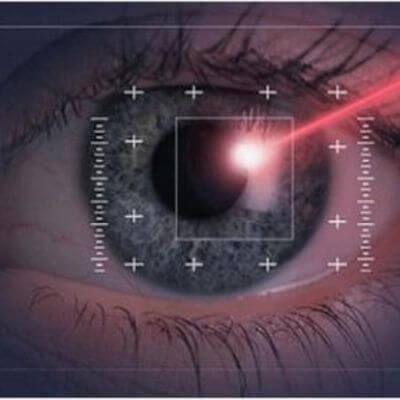
During cataract surgery , your surgeon will remove your clouded natural lens. They then replace it with a clear artificial lens called an intraocular lens (IOL). Your IOL will be unique in that it will be made using the same prescription as your glasses and/or contacts.LASIK laser being beamed into a patient’s eye
There are different types of IOLs , including: 

  • Standard lenses
  • Toric lenses
  • Multifocal lenses
  • Light Adjustable lenses

Standard lenses help with close or distance vision, but not both. They also don’t help with astigmatism, but they’re usually covered by insurance. Toric lenses , on the other hand, do correct astigmatism. You can also choose toric lenses that fix up-close or distance vision, but not both. 

Multifocal lenses fix everything from type of vision to astigmatism. The goal with them is to avoid glasses completely. Light Adjustable Lenses (LALs) are the newest form of IOL. Like multifocal lenses, they’re used to avoid glasses completely. LALs are unique because their prescription is adjusted after implantation using UV light. LALs are not available everywhere, but we offer them as an option for our patients at Baptist Eye Surgeons.

Cataract surgery is an outpatient procedure and the recovery time is fairly quick. It’s helpful to know what to expect before, during, and after cataract surgery . This is one of the best ways to ensure it goes smoothly. If you have any questions, please consult your doctor.

2. Refractive Surgery

Refractive surgery is most often used to correct distortions and improve your vision. You may be a candidate for treatment if you suffer from a refractive error such as:

  • Nearsightedness (myopia) 
  • Farsightedness (hyperopia) 
  • Astigmatism 

Refractive surgery procedures use various techniques and implements. The most common type is laser-assisted in situ keratomileusis , or LASIK for short.

During LASIK surgery, your surgeon adjusts the shape of the cornea to reverse how it refracts light. For example, someone who is nearsighted has a steeper-than-normal cornea. In this case, the surgeon would use the laser to flatten it out. LASIK eye surgeries are all outpatient and use only topical anesthetic eye drops. No bandages, stitches, or “going under” are required. 

Be wary when window shopping for LASIK eye surgeons offering incredibly discounted prices. They’re not always what they’re cracked up to be. What’s more, patients usually pay higher than the originally advertised discounted price.

3. Cornea Transplant

The cornea is the clear front part of your eye. It allows you to see by focusing the light rays that pass through into your pupil. For the cornea to do its job correctly, it must remain clear and smooth.

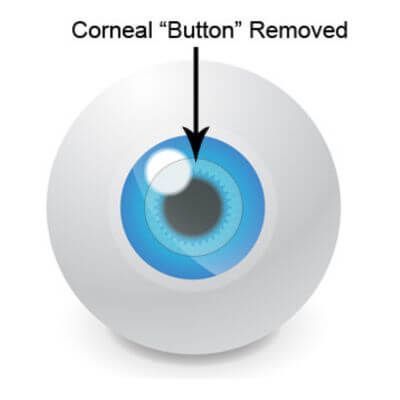
Painful swelling with or without vision problems may occur if your cornea is:diagram of an eye saying “corneal ‘button’ removed”
  • Misshapen
  • Scarred
  • Diseased 

Your surgeon might suggest a cornea transplant if your cornea cannot be repaired. During a cornea transplant, your damaged cornea is replaced by a healthy one supplied by a donor. 

There are several different cornea transplant options and your surgeon will recommend what is best for you. The procedure is typically done on an outpatient basis. However, recovery is a longer process than with most eye surgeries. Good postoperative care is important for preventing the rejection of your new cornea.  

Do you need eye surgery in Knoxville, TN? Contact us today to schedule your appointment!

A purple banner that says `` book an appointment with our expert ophthalmologists schedule now ''

Cataract surgery involves replacing your clouded lens with a custom-made artificial one called an intraocular lens (IOL). LASIK surgery reshapes the cornea to correct refractive errors. It is outpatient, quick, and painless. When the cornea is damaged beyond repair, a healthy one from a donor replaces it. Postoperative care is crucial to prevent rejection during a cornea transplant.

Baptist Eye Surgeons is an ophthalmological practice in Knoxville, TN, Morristown, TN, and Sevierville, TN. Call us at 865-579-3920 for more information or to schedule an appointment .

*This post has been updated since it was first published in March 2017 for clarity and comprehensiveness.
July 29, 2026
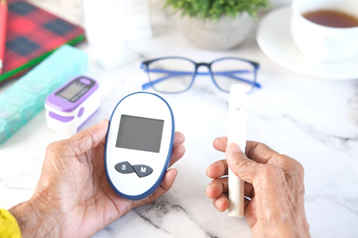
Diabetes affects various parts of the body, including your eyes. Keeping your blood sugar under control is not just good for your health overall, but it also helps protect your eyesight. Over time, high blood sugar can irritate the tiny blood vessels in your eyes and increase your risk of serious eye problems. Knowing how diabetes and eye health are linked can help you identify issues and take measures to protect your sight. How Does Diabetes Affect Eye Health? When blood sugar stays high, it can damage the blood vessels in the retina, which is the part of your eye that senses light and helps you see. Damaged blood vessels might leak fluid, swell, or change how well the retina works. Diabetic eye problems usually develop slowly, so you might not pick up on any changes in your vision until significant damage has occurred. That’s why it’s important for people with diabetes to get regular eye exams, even if their eyesight seems fine. Common Eye Conditions Linked to Diabetes People with diabetes are more likely to have certain eye problems. Finding and treating these issues early can lower the chance of losing vision permanently. 1. Diabetic Retinopathy Diabetic retinopathy is a common eye issue that happens when high blood sugar damages the retinal blood vessels. These damaged vessels may leak fluid, which may cause blurry vision, dark spots, or changes in how you see. In advanced cases, abnormal blood vessel growth can lead to serious problems. If diabetic retinopathy worsens, new abnormal blood vessels can grow, causing serious problems, including vision loss. Getting regular eye exams can help catch these changes early, before they become severe. When fluid is retained in the macula (part of the retina which focuses on sharp central vision), this swelling can make it harder to read, recognize faces, or see fine details clearly. When detected early, treatments can help reduce swelling and protect your eyesight. 3. Cataracts People with diabetes have a higher chance of getting cataracts early. Cataracts occur when the lens in your eye becomes cloudy, which can cause blurry vision, increased sensitivity to glare, and difficulty seeing clearly. While cataracts come with age, having diabetes can make them appear sooner or progress quicker. 4. Glaucoma Diabetes can also raise your risk for glaucoma, which is a group of eye diseases that harm the optic nerve. Glaucoma usually starts without any clear symptoms, but if it is not treated, it can cause permanent vision loss. Routine regular eye exams are important for finding glaucoma early and keeping your eyes healthy Diabetes-related eye problems might not cause symptoms at first. Still, there are some warning signs you should look out for: • Blurry or distorted vision • Difficulty focusing • Dark spots, floaters, or shadows in your sight • Increased sensitivity to glare • Trouble seeing colors clearly • Sudden alterations in vision • Partial or complete loss of vision If you notice sudden vision changes, contact an eye doctor as soon as possible. The Value of Regular Eye Exams for People With Diabetes Getting a full eye exam is one of the best ways to protect your vision if you have diabetes. During the examination, your physician will study your retina, look for symptoms of diabetic eye disease, and track any changes over time. Many eye problems linked to diabetes can be treated more easily if they are found early. Regular checkups help your eye doctor give you advice that fits your own eye health and diabetes care. Protecting Your Eyes When You Have Diabetes Looking after your general health is important for keeping your eyes healthy. Here are some things you can do to protect your vision: • Keeping blood sugar levels under control • Managing blood pressure and cholesterol • Scheduling regular diabetic eye exams • Following your diabetes treatment plan • Eating a balanced diet that promotes eye health • Avoiding smoking, which increases the risk of eye complications Prioritizing Your Vision and Eye Health Diabetes and eye health are closely linked, but you can lower your risk of serious vision problems by taking action early. Getting regular eye exams, making healthy choices, and managing your diabetes all help protect your eyesight. If you have diabetes, seeing your eye doctor regularly can help catch changes early and keep your vision clear for the future. Your eyes are a key part of your health, so make caring for them a priority at every age. 
June 30, 2026
Night vision problems can make everyday activities like driving at dusk, walking in poorly lit places, or adjusting to indoor lighting harder and sometimes unsafe. Trouble seeing in low light, called nyctalopia, is not a disease itself but a sign that something else may be affecting your eyes. Learning what causes night vision problems and when to get help is important for keeping your vision healthy. What Are Night Vision Problems? Night vision problems mean it is hard to see clearly in low light or darkness. Some people notice their eyes take longer to adjust when going from bright to dim places. Others may have trouble with glare from headlights, seeing less contrast, or things just looking dimmer at night. Mild changes in night vision can happen as you get older, but if your symptoms keep getting worse or do not go away, you should pay attention to them. Common Causes of Night Vision Difficulties There are several potential causes of night vision problems. Night vision problems can have many causes, from getting older to certain eye conditions, such as lens problems, leading to blurred vision and increased sensitivity to glare. They are one of the most common causes of poor night vision, especially in older adults. 1. Cataracts Cataracts cause clouding of the eye’s natural lens, leading to blurred vision and increased sensitivity to glare. They are one of the most common causes of poor night vision, especially in older adults. 2. Vitamin A Deficiency Vitamin A is important for keeping your retina healthy. If you do not get enough vitamin A, your eyes may have trouble adjusting to darkness, which can lead to night blindness. 3. Glaucoma Some types of glaucoma can affect your side vision and make it harder to see differences between light and dark. As the optic nerve gets damaged, seeing in low light can become more difficult. 4. Retinitis Pigmentosa This inherited eye condition slowly affects your ability to see at night and to the sides. Early signs often include trouble seeing in the dark. 5. Diabetes-Related Eye Disease Diabetic retinopathy can harm the blood vessels in your retina, which may cause blurry vision and make it harder to see at night. 6. Aging and Pupil Changes As people get older, their pupils do not react to light changes as quickly, and the retina becomes less sensitive. This naturally makes night vision worse over time. Symptoms to Watch For Night vision problems often develop slowly. Some common signs are: Difficulty seeing in low light or darkness Trouble driving at night due to glare from headlights Longer adjustment time when moving between light and dark environments Reduced contrast or clarity in dim settings Frequent squinting or eye strain in low light If these symptoms start to affect your daily life, it is a good idea to get a full eye check-up. When to See an Eye Doctor You should see an eye doctor if you notice new night vision problems, if they are getting worse, or if you have other changes in your vision. The doctor can run tests to find out what is causing the problem and suggest the right treatment. A full eye exam might include checking your retina, testing your field of vision, and taking images to look at your eye health. Finding problems early is very important for conditions like glaucoma, diabetic eye disease, and retinal disorders, because early treatment can help protect your vision. Protecting Your Night Vision Not all causes of night vision loss can be prevented, but taking care of your eyes can lower your risk and help you see better. Some helpful steps are: Scheduling regular eye exams Handling chronic health conditions like diabetes Eating a diet rich in vitamin A and antioxidants Wearing proper corrective lenses if prescribed Avoiding driving with untreated vision changes Prioritizing Your Eye Health Night vision problems can be an early sign of eye disease. Since many eye problems develop slowly, having regular eye exams is one of the best ways to catch changes early and keep your vision healthy for the long term. If you have trouble seeing at night or notice any changes in your vision, making an appointment for an eye exam can help keep your eyes healthy and your vision clear in all types of light.
Understanding Eye Pressure: What It Means for Glaucoma Risk
June 1, 2026
Understanding eye pressure, or intraocular pressure (IOP), is important for protecting your vision. IOP considerably affects the development and progression...