4 Quick and Easy Cosmetic Procedures That Have an Immediate Impact

Baptist Eye Surgeons • January 11, 2021

While many people don’t actually mind getting older, many of us do mind the visible signs of aging, which can prompt us to consider cosmetic surgery. Others seek out cosmetic consultations because they want to remove acne scars or correct uneven skin tones. Whatever the reason, Baptist Eye Surgeons offers a variety of cosmetic surgery options to help you achieve your goals and have the skin you have always wanted.

Botox is a tried and true method for fighting the signs of aging. It works by relaxing facial muscles so that they’re unable to wrinkle and crease. Similar to Botox, dermal fillers add fullness to facial areas that have become thin over time and can be formulated to treat specific signs of aging. Eyelid surgery and eyebrow lifts can help restore your youthful look while also helping you see better as you get older.

Botox

Botox comes from a bacterium known as Clostridium botulinum . This can make some people nervous, but don’t let it worry you. Botox has been used by doctors for years to help patients get rid of unwanted wrinkles and facial creases. Botox and other products like it have been approved by the Food and Drug Administration (FDA) for both cosmetic and medical purposes.

Along with cosmetic benefits, Botox has also been shown to help with:

  • Migraines
  • Neck and shoulder spasms
  • Sweating too much
  • Eyelid twitching
  • Strabismus
  • Some bladder disorders

While Botox is wonderful for helping with these issues, it’s most popularly known for fighting the signs of aging. It does this by relaxing the muscles around your eyes so they don’t contract. This  contraction that causes signs of aging such as:

  • Crows feet
  • Forehead wrinkles
  • Eleven lines (glabellar lines)

By helping muscles around your eyes to relax, Botox undermines the aging process and gives you younger, smoother skin. 

Anytime is a good time to get Botox, but many people prefer it as an “add-on” to another procedure, such as eyelid surgery. You can also get it as a stand-alone treatment. Our very own Dr. Andrew Anzeljc is an expert at these types of treatments and his training makes him the ideal surgeon for your next or even first Botox procedure.

We have many safe and effective ways to rejuvenate the face that do not involve surgery. Cosmetic procedures are becoming more commonplace for men as well as women, so if anyone is curious about botox or fillers or other possibilities I encourage them to have a consultation.

– Dr. Andrew Anzeljc

Dermal Fillers

Like Botox, dermal fillers have been developed to help fight the signs of aging. Both are incredibly popular thanks to the results they provide, but dermal fillers help fight the signs of aging differently than Botox injections do.

Botox uses purified bacteria to prevent facial muscle contractions. This prevents the common wrinkles and creases associated with aging and provides you with the look you’ve been dreaming of.

Fillers , on the other hand, work by adding fullness to where skin has become creased and wrinkled due to thinning. This thinning process is commonly noticed around the mouth, lips, and cheeks.

Fillers come in different brands such as Juvéderm, Belotero, and Restylane. They’re hyaluronic acid-based fillers and are perfect for:

  • Plumping hollow areas under your eyes
  • Smoothing out fine lines
  • Camouflaging dark spots

These dermal fillers use a hyaluronic acid gel similar to what the human body naturally produces. It can be formulated to different consistencies which makes it ideal for treating different issues. For instance, thinner consistencies work better at treating fine lines while thicker consistencies are ideal for providing volume to lift and fill hollow areas under the eyes.

This type of personalization has been appealing for many patients. By choosing a specific consistency, surgeons can provide a fully-customized treatment experience resulting in the youngest, most natural-looking skin possible.

Eyelid Surgery

Eyelid surgery is one of the most common cosmetic procedures that we offer here at Baptist Eye Surgeons. In fact, it’s one of the most popular cosmetic procedures in the United States! Eyelid surgery can be performed on both the upper and lower eyelids, allowing your surgeon to remove as many signs of aging as possible.

Eyelid surgery rejuvenates the skin around your eyes by removing excess skin, muscle, and fat. This tightens the skin around the eye and greatly reduces the appearance of:

  • Heavy puffiness
  • Under-eye wrinkles
  • Sagging skin

Lower eyelid surgery is ideal for regaining a more youthful appearance around your eyes. Heavy “bags” under your eyes can not only make you look older, but they can also make you look tired. In this way, lower eyelid surgery not only helps give you a more youthful appearance, but restores your energetic appearance, as well.

Surgery on your eyelids can be more than about looking younger. It’s actually a safety concern for many people. Upper eyelids that droop and sag can affect your ability to see, which can be frustrating while performing daily tasks and even dangerous when driving. Some people aren’t even aware that their eyelids are affecting their vision or how they compensate for it.

Eyebrow Lift

Facial expressions help us communicate more than we realize, and a forehead that sags and is full of wrinkles may send the wrong message. Like your eyelids, your forehead can give you the appearance of seeming tired or even sad. In these cases, a brow lift can help restore your youthful, energetic, and happy appearance.

Brow lifts smooth out the skin of your eyebrows, forehead, and even around the eyes. It works by raising the soft tissue and skin of the brow and forehead, providing a natural look that can help with droopy eyelids as well as your appearance. 

Brow lifts are not one-size-fits-all. Our surgeons will create a surgical plan based on your specific anatomy, appearance, and cosmetic goals.

At Baptist Eye Surgeons, we are proud to offer a variety of cosmetic procedures to suit your needs. Not only can they give you a more youthful appearance, but they can actually help you see better. Would you like to know more about how cosmetic eye procedures can help restore your youthful appearance? Download our free ebook today and see the difference cosmetic eye surgery can make in your life.  

Are you interested in learning more about how cosmetic procedures can help fight the signs of aging? Contact us today to request an appointment with Dr. Anzeljc and to learn more about available options.

Baptist Eye Surgeons is an ophthalmological practice in Knoxville, TN, and Morristown, TN. Give us a call at 865-579-3920 for more information or to schedule an appointment.
July 29, 2026
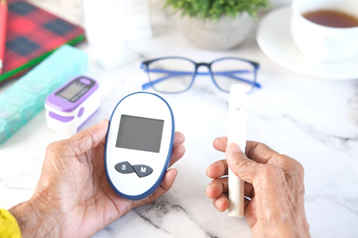
Diabetes affects various parts of the body, including your eyes. Keeping your blood sugar under control is not just good for your health overall, but it also helps protect your eyesight. Over time, high blood sugar can irritate the tiny blood vessels in your eyes and increase your risk of serious eye problems. Knowing how diabetes and eye health are linked can help you identify issues and take measures to protect your sight. How Does Diabetes Affect Eye Health? When blood sugar stays high, it can damage the blood vessels in the retina, which is the part of your eye that senses light and helps you see. Damaged blood vessels might leak fluid, swell, or change how well the retina works. Diabetic eye problems usually develop slowly, so you might not pick up on any changes in your vision until significant damage has occurred. That’s why it’s important for people with diabetes to get regular eye exams, even if their eyesight seems fine. Common Eye Conditions Linked to Diabetes People with diabetes are more likely to have certain eye problems. Finding and treating these issues early can lower the chance of losing vision permanently. 1. Diabetic Retinopathy Diabetic retinopathy is a common eye issue that happens when high blood sugar damages the retinal blood vessels. These damaged vessels may leak fluid, which may cause blurry vision, dark spots, or changes in how you see. In advanced cases, abnormal blood vessel growth can lead to serious problems. If diabetic retinopathy worsens, new abnormal blood vessels can grow, causing serious problems, including vision loss. Getting regular eye exams can help catch these changes early, before they become severe. When fluid is retained in the macula (part of the retina which focuses on sharp central vision), this swelling can make it harder to read, recognize faces, or see fine details clearly. When detected early, treatments can help reduce swelling and protect your eyesight. 3. Cataracts People with diabetes have a higher chance of getting cataracts early. Cataracts occur when the lens in your eye becomes cloudy, which can cause blurry vision, increased sensitivity to glare, and difficulty seeing clearly. While cataracts come with age, having diabetes can make them appear sooner or progress quicker. 4. Glaucoma Diabetes can also raise your risk for glaucoma, which is a group of eye diseases that harm the optic nerve. Glaucoma usually starts without any clear symptoms, but if it is not treated, it can cause permanent vision loss. Routine regular eye exams are important for finding glaucoma early and keeping your eyes healthy Diabetes-related eye problems might not cause symptoms at first. Still, there are some warning signs you should look out for: • Blurry or distorted vision • Difficulty focusing • Dark spots, floaters, or shadows in your sight • Increased sensitivity to glare • Trouble seeing colors clearly • Sudden alterations in vision • Partial or complete loss of vision If you notice sudden vision changes, contact an eye doctor as soon as possible. The Value of Regular Eye Exams for People With Diabetes Getting a full eye exam is one of the best ways to protect your vision if you have diabetes. During the examination, your physician will study your retina, look for symptoms of diabetic eye disease, and track any changes over time. Many eye problems linked to diabetes can be treated more easily if they are found early. Regular checkups help your eye doctor give you advice that fits your own eye health and diabetes care. Protecting Your Eyes When You Have Diabetes Looking after your general health is important for keeping your eyes healthy. Here are some things you can do to protect your vision: • Keeping blood sugar levels under control • Managing blood pressure and cholesterol • Scheduling regular diabetic eye exams • Following your diabetes treatment plan • Eating a balanced diet that promotes eye health • Avoiding smoking, which increases the risk of eye complications Prioritizing Your Vision and Eye Health Diabetes and eye health are closely linked, but you can lower your risk of serious vision problems by taking action early. Getting regular eye exams, making healthy choices, and managing your diabetes all help protect your eyesight. If you have diabetes, seeing your eye doctor regularly can help catch changes early and keep your vision clear for the future. Your eyes are a key part of your health, so make caring for them a priority at every age. 
June 30, 2026
Night vision problems can make everyday activities like driving at dusk, walking in poorly lit places, or adjusting to indoor lighting harder and sometimes unsafe. Trouble seeing in low light, called nyctalopia, is not a disease itself but a sign that something else may be affecting your eyes. Learning what causes night vision problems and when to get help is important for keeping your vision healthy. What Are Night Vision Problems? Night vision problems mean it is hard to see clearly in low light or darkness. Some people notice their eyes take longer to adjust when going from bright to dim places. Others may have trouble with glare from headlights, seeing less contrast, or things just looking dimmer at night. Mild changes in night vision can happen as you get older, but if your symptoms keep getting worse or do not go away, you should pay attention to them. Common Causes of Night Vision Difficulties There are several potential causes of night vision problems. Night vision problems can have many causes, from getting older to certain eye conditions, such as lens problems, leading to blurred vision and increased sensitivity to glare. They are one of the most common causes of poor night vision, especially in older adults. 1. Cataracts Cataracts cause clouding of the eye’s natural lens, leading to blurred vision and increased sensitivity to glare. They are one of the most common causes of poor night vision, especially in older adults. 2. Vitamin A Deficiency Vitamin A is important for keeping your retina healthy. If you do not get enough vitamin A, your eyes may have trouble adjusting to darkness, which can lead to night blindness. 3. Glaucoma Some types of glaucoma can affect your side vision and make it harder to see differences between light and dark. As the optic nerve gets damaged, seeing in low light can become more difficult. 4. Retinitis Pigmentosa This inherited eye condition slowly affects your ability to see at night and to the sides. Early signs often include trouble seeing in the dark. 5. Diabetes-Related Eye Disease Diabetic retinopathy can harm the blood vessels in your retina, which may cause blurry vision and make it harder to see at night. 6. Aging and Pupil Changes As people get older, their pupils do not react to light changes as quickly, and the retina becomes less sensitive. This naturally makes night vision worse over time. Symptoms to Watch For Night vision problems often develop slowly. Some common signs are: Difficulty seeing in low light or darkness Trouble driving at night due to glare from headlights Longer adjustment time when moving between light and dark environments Reduced contrast or clarity in dim settings Frequent squinting or eye strain in low light If these symptoms start to affect your daily life, it is a good idea to get a full eye check-up. When to See an Eye Doctor You should see an eye doctor if you notice new night vision problems, if they are getting worse, or if you have other changes in your vision. The doctor can run tests to find out what is causing the problem and suggest the right treatment. A full eye exam might include checking your retina, testing your field of vision, and taking images to look at your eye health. Finding problems early is very important for conditions like glaucoma, diabetic eye disease, and retinal disorders, because early treatment can help protect your vision. Protecting Your Night Vision Not all causes of night vision loss can be prevented, but taking care of your eyes can lower your risk and help you see better. Some helpful steps are: Scheduling regular eye exams Handling chronic health conditions like diabetes Eating a diet rich in vitamin A and antioxidants Wearing proper corrective lenses if prescribed Avoiding driving with untreated vision changes Prioritizing Your Eye Health Night vision problems can be an early sign of eye disease. Since many eye problems develop slowly, having regular eye exams is one of the best ways to catch changes early and keep your vision healthy for the long term. If you have trouble seeing at night or notice any changes in your vision, making an appointment for an eye exam can help keep your eyes healthy and your vision clear in all types of light.
Understanding Eye Pressure: What It Means for Glaucoma Risk
June 1, 2026
Understanding eye pressure, or intraocular pressure (IOP), is important for protecting your vision. IOP considerably affects the development and progression...