7 Ways Pregnancy Can Affect Your Vision
Pregnancy can be one of the most exciting experiences of someone’s life. However, it also comes with new concerns such as nutrition and more frequent doctor visits. One concern you may not be aware of is how pregnancy can affect your vision and certain pre-existing eye conditions. This can present new challenges that you’ve never faced before.
In this blog we will look at:
- Dry eyes
- Changes in prescription
- Puffy eyelids
- High blood pressure
- Migraine headaches
- Diabetes
- Glaucoma
1. Dry Eyes
Dry eyes are a very common symptom of pregnancy. As one 2021 study points out, your eyes can feel dryer than normal at any gestational age or during any trimester. Fortunately, this condition is usually temporary and disappears once your child has been born. It’s also safe to use eye drops while pregnant or nursing to help you feel more comfortable.
Depending on the time of year, it can be difficult to tell the difference between dry eye syndrome and seasonal allergies. The hallmark of both conditions is eyes that feel irritated and uncomfortable. Talk to your ophthalmologist at Baptist Eye Surgeons to determine which you are suffering from and if it’s related to your pregnancy. They will be able to recommend treatment that will resolve any discomfort related to dry eye.
Click here to read our blog on the differences between seasonal allergies and dry eye syndrome!
2. Changes in Prescription
Changes in hormone levels can affect the strength of your vision while pregnant. This can cause your vision to weaken and require a change in eyewear prescription. This is why it is a good idea to discuss possible vision changes with your Knoxville eye doctor. They can let you know if new eyewear will be necessary or if you should wait a few weeks after delivery.
Prescription changes during pregnancy may be due to myopic shifts caused by changes in lens curvature and corneal thickness. These myopic shifts can make it even more difficult to see far away objects than before you were pregnant. However, your refractive condition will likely return to pre-pregnancy levels after you have delivered your baby.
To learn how refractive errors such as myopia are diagnosed, click here !
3. Puffy Eyelids
Puffy eyelids are another common side-effect of hormonal changes during pregnancy. They can actually interfere with your peripheral (side) vision, so it’s important that you take the proper steps to reduce or prevent water retention. This can be done by drinking plenty of water as well as reducing the amount of sodium and caffeine that you consume.
4. High Blood Pressure
It’s common for pregnant women to experience blurry vision and spots in front of their eyes. These symptoms are often a result of high blood pressure, which can also reduce blood flow to the placenta among other issues. Be sure to talk to your doctor if you experience high blood pressure while pregnant so that you can receive treatment while keeping your baby safe.
The best course of action is to take good care of yourself while pregnant, ensuring your and your baby’s health. This includes :
- Keeping your prenatal appointments
- Taking medication as prescribed by your doctor
- Maintaining an active lifestyle
- Eating a healthy diet
- Avoiding unhealthy habits like smoking and drinking
5. Migraine Headaches
Migraine headaches are another common side effect due to hormonal changes during pregnancy. They can also make your vision much more sensitive to light. Talk to your doctor before taking any medicine for migraines while pregnant, both prescription and non-prescription. They can give you prenatal advice that will ensure your child’s health throughout your pregnancy.
6. Diabetes
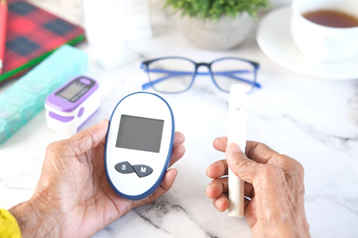
You will need to pay especially close attention to your vision if you already have diabetes or develop it while pregnant ( gestational diabetes ). In these cases, blurry vision may actually be a symptom of high blood sugar levels. According to the Center for Disease Control (CDC), this can lead to birth defects as well as complications for your own health.
Diabetes is a condition that interferes with the body’s ability to convert carbohydrates (starches and sugars) from food into energy. In these cases, the body:
- Makes too little insulin
- Can’t use the insulin it creates
- Makes no insulin at all
This causes blood sugar to build up in the blood leading to complications for you and your baby. Talk to your doctor about treatment options that will maintain the health of you and your baby.
7. Glaucoma
Although not a complication of pregnancy, having glaucoma can have a big impact on what medications you can take while pregnant. This is because some medications for the condition can be dangerous for your developing baby. This is especially true for carbonic anhydrase inhibitors . Discuss your medication options with your doctor if you have glaucoma and are planning on becoming pregnant or have become pregnant to determine the best treatment for you.
Are you pregnant or planning on becoming pregnant and concerned about your vision? Contact us today to schedule your appointment!
Pregnancy can affect your vision in a variety of ways. Common issues include dry eyes, changes in your eyewear prescription, and puffy eyelids. More serious conditions such as high blood pressure, diabetes, and glaucoma will require planning with your doctor for treatment. This will ensure your health and the health of your baby throughout your pregnancy.
Baptist Eye Surgeons is an ophthalmological practice in Knoxville, TN, and Morristown, TN. Give us a call at 865-579-3920 for more information or to schedule an appointment .