Your Guide to Reconstructive Eye Surgery in Knoxville, TN

Baptist Eye Surgeons • May 11, 2022

Sometimes eye problems stem from issues surrounding the eye rather than within the eye itself. In these cases, reconstructive eye surgery may be necessary in order to restore your vision and protect your eye health. At Baptist Eye Surgeons, Dr. Andrew Anzeljc can provide the oculoplastic treatment that you need so you can continue living life to the fullest.

Reconstructive eye surgery focuses on the areas around the eye to protect your ocular health. It’s used to treat a variety of conditions that can reduce your vision and overall quality of life. Dr. Andrew Anzeljc can address a wide variety of these problems, including eyelid problems, facial spasms, orbital issues, and tear duct disorders.

Reconstructive Eye Surgery in Knoxville, TN


Problems surrounding the eye can impact your vision just as much as problems within the eye. Issues such as blocked tear ducts, damaged eye sockets, and tumors can affect how your eye functions, which can be as detrimental to your vision as any eye disease. Oculoplastic surgeons focus on these areas to help ensure that you have the best vision possible to live your life well.

As an oculoplastic surgeon, Dr. Andrew Anzeljc can address these functional issues as well as cosmetic problems. His work in reconstructive surgery helps patients’ eyes function as they were intended and helps improve their vision. He also specializes in cosmetic procedures that help patients feel more confident in their appearance.

Click here to learn more about Dr. Andrew Anzeljc!

Conditions Addressed by Reconstructive Eye Surgerybest plastic surgeons in knoxville, tn

Reasons for reconstructive surgery can range from drooping eyelids blocking your vision to issues with the eye socket. Common reasons for oculoplastic surgery include:

  • Drooping eyelids
  • Eyelid defects
  • Inflamed eyelids
  • Facial spasms
  • Orbital issues
  • Tear duct disorders

Drooping Eyelids

Droopy eyelids are a common issue faced by many people. They develop due to the natural sagging of the skin as you age or excess fat weighing them down. Over time, they can begin to sag too low and obstruct your vision, making it difficult or even dangerous to perform daily tasks. 

Fortunately, these procedures are usually covered by insurance companies since they can impair your vision. These surgeries help to “lift” the eyelid and allow more light into the eye, improving both front and peripheral vision. Many patients are surprised by the difference it makes for their vision and the ability to enjoy their lives again.

Click here to learn about the five things you should know about heavy, drooping eyelids!

Eyelid Defects

Eyelids are extremely important since they protect our eyes, keep them healthy, and help them function properly. Defects can occur for a number of reasons such as being present at birth, the result of an injury, or due to the removal of a tumor. Dr. Anzeljc is trained in addressing the functional and cosmetic needs of his patients, providing complete treatment for eyelid defects.

Eyelid Inflammation

Also known as blepharitis , eyelid inflammation usually affects both eyelids. Common symptoms of this condition include:

  • Redness
  • Irritation
  • Scarred eyelids
  • Excessive tearing
  • Injured corneas

Some cases may even result in the eyelid turning inward or outward. While a number of diseases and conditions can cause inflamed eyelids, they are usually the result of oil glands near the eyelashes becoming clogged. This can occur due to debris from makeup and bacteria that collect in your lashes.

Facial Spasms

Many people only associate Botox with looking younger, but it is capable of so much more. Botox is also a great treatment for abnormal blinking ( blepharospasm ). These ticks often start out as minor, but can eventually force the eye shut. Severe cases can even spread to the face and neck, pulling the mouth over to one side. 

With Botox, Dr. Anzeljc can relax the affected muscles in a non-surgical manner. It works by paralyzing the muscles and preventing blinking and other ticks from occurring. Thanks to this method of treatment, many patients can find relief for their spasms without the need for surgery.

To learn more about the health benefits of Botox and how it works, click here !

Orbital IssuesBest oculoplastic surgeon near me

Also known as the eye socket, the orbit is the bone cavity that contains your:

  • Eyeball
  • Muscles
  • Nerves
  • Blood vessels
  • Surrounding fat

Sometimes these structures can degenerate into an orbital tumor. This can cause symptoms such as double vision, a bulging eye, or even vision loss. The orbit can also be damaged due to an injury or other form of trauma. With reconstructive eye surgery, Dr. Anzeljc can restore your eye’s function as well as improve your appearance. 

Tear Duct Disorders

Your tear drainage system can suffer from a partial or complete obstruction due to a number of causes. This could be due to:

  • Injury
  • Infection
  • Tumors
  • Previous surgery

Blocked tear ducts are a serious condition that can result in eyes that are watery, irritated, or chronically infected. Reconstructive eye surgery allows us to successfully resolve the majority of these problems, no matter their cause.

Are you in need of reconstructive eye surgery in Knoxville, TN? Contact us today to schedule your appointment!

At Baptist Eye Surgeons, Dr. Andrew Anzeljc provides much-need reconstructive eye surgery for a wide variety of problems. As an oculoplastic surgeon, he can treat both functional as well as cosmetic eye issues. Common reasons for reconstructive eye surgery include eyelid problems, facial spasms, orbital issues, and tear duct disorders.

Baptist Eye Surgeons is an ophthalmological practice in Knoxville, TN, and Morristown, TN. Give us a call at 865-579-3920 for more information or to schedule an appointment .
September 22, 2026
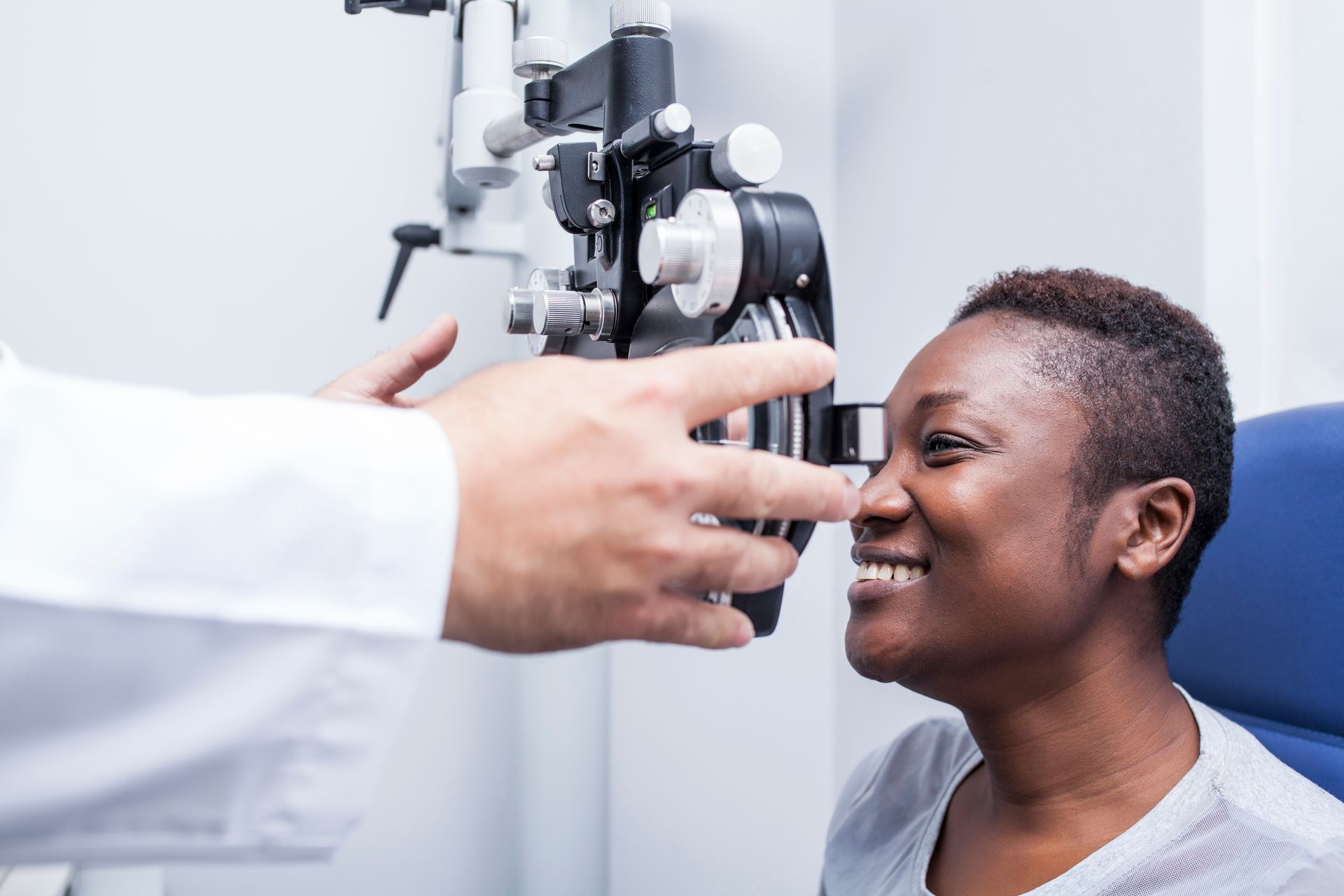
A thorough eye exam is an important part of keeping your vision healthy and protecting your eyes. If you are arranging for your first eye examination as an adult, if you are taking a child in for an evaluation, or if you have noticed any changes in your vision, knowing what to expect can help make the experience more comfortable. The eye exams carried out at Baptist Eye Surgeons not only check your vision but also look at your general eye health and spot any possible problems that might call for further investigation. What is the Importance of Eye Examinations? An eye examination does not merely enable one to find out if glasses or contact lenses are required. It lets an eye care professional assess how well your eyes are working and spot the signs of common eye conditions.  Some eye conditions can progress slowly without symptoms. Regular eye checkups can help detect changes earlier and make sure you receive appropriate treatment when needed. Step by step: The Process Involved in Having an Eye Examination Even though the different appointments may vary according to your particular needs, a typical full eye examination will involve a number of significant steps. 1. An Examination of Your Medical & Eye History Your appointment may start with questions about your vision, medical history, medications, any previous eye conditions, and your family history of eye disease. Be sure to report any changes in your vision, eye discomfort, headaches, or other concerns you have noticed. Your eye care professional may also ask about the glasses or contact lenses you currently use and how well they work for you. 2. Checking Your Vision A well-known part of an eye examination is the visual acuity test. You might be asked to read some letters or symbols from a chart at a set distance. This lets doctors assess how clearly you can see and decide whether corrective lenses would help. Further testing could assess your ability to see up close and the way well your eyes work together. 3. The Measurement of Eye Health & Function Your eye care professional might carry out a number of tests in order to assess the health and functioning of your eyes. The tests involved may vary depending on your age, symptoms, and risk factors and could include measuring eye pressure, examining eye movement and coordination, and looking at the structures at the front and back of the eye. They can help spot possible signs of eye disorders. 4. Discussing Your Results Your ophthalmologist will review the results with you after the examination. If your vision has changed, they may suggest new prescription lenses. If they spot an eye condition or another issue, they could recommend further testing, further monitoring, or treatment. It is also a good chance to ask questions regarding your eye health and the recommended follow-up care. What Should You do to Get Ready for your First Eye Examination? Having an eye examination usually involves nothing complicated. It is a good idea to take with you your present glasses or contact lens details and to be ready to give a list of any medications as well as any applicable medical or family history. Additionally, it might be helpful to remember any vision changes or symptoms you have had. Dilation may occur during the examination if certain tests are performed. After dilation has been advised, your vision might be temporarily blurred or more sensitive to light. Supporting Healthy Vision The initial eye examination is a valuable chance to determine a baseline for your eye health and understand your specific vision needs. Regular eye exams help monitor changes over time and support early detection of possible eye conditions. Plan a visit with an eye care professional if you have discovered any changes in your vision or if you're due for a check-up.
August 28, 2026
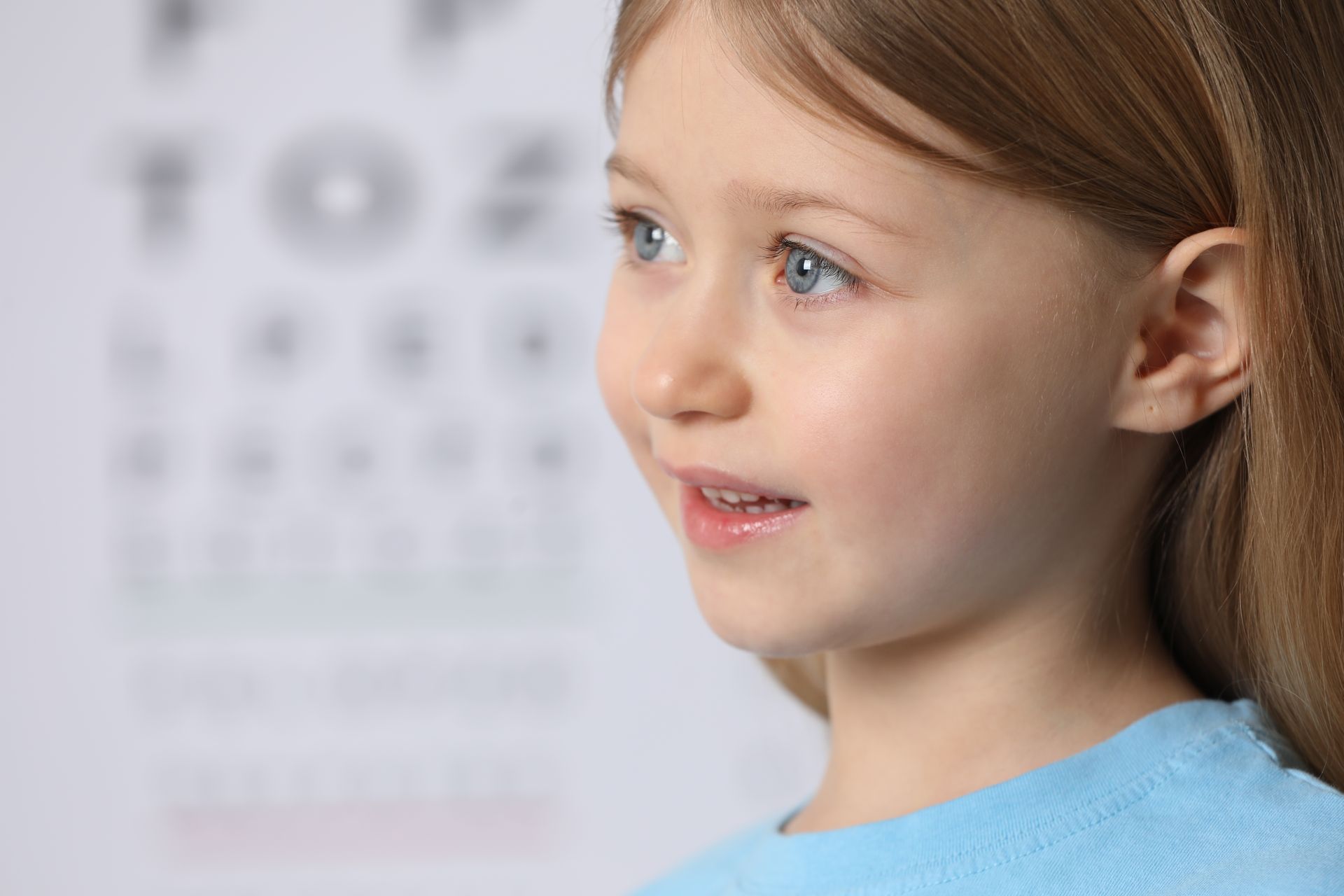
Healthy vision is essential for a child's development, learning, and daily activities. From recognizing faces in infancy to reading, participating in sports, and navigating school, children depend on their eyesight to interpret and relate to their environment. Knowing typical vision milestones helps parents spot possible issues and seek appropriate care when needed. How Does Vision Develop in Children? Vision develops rapidly during the first years of life. Newborns perceive light, shapes, and nearby objects, although their vision remains immature. As children mature, their capacity to focus, track moving objects, recognize details, and coordinate both eyes improves progressively. Due to the gradual nature of visual development, regular eye examinations are essential. Certain childhood vision problems may not be readily apparent, especially when one eye is stronger than the other. Although each child develops at an individual pace, several general vision milestones may guide parental observation. 1. Infants: Birth to 12 Months Within the first year, infants typically develop the ability to focus on faces and objects, visually track moving items, and reach for objects they observe. Caregivers may also observe infants responding to known faces and visually exploring their environment. If an infant does not track objects, exhibits eyes that frequently cross or wander, or fails to respond visually to people or objects, these concerns should be discussed with a pediatrician or eye care professional. 2. Toddlers: Ages 1 to 3 As children become more active, their visual skills continue to develop. Toddlers rely on vision to walk, climb, manipulate small objects, and interact with toys. Over time, they typically improve in identifying familiar people and objects and in coordinating eye and hand movements. Frequent eye rubbing, squinting, sitting close to screens, or difficulty seeing objects could indicate the need for an eye exam. 3. Preschool and School-Age Children By preschool and early elementary school, children utilize vision for detailed activities including coloring, drawing, letter recognition, reading, and participating in games. Effective eye coordination and focusing abilities support learning and classroom performance. Children may not always realize their vision differs from other children’s, so parents should watch for signs such as headaches, avoiding reading, losing their place while reading, holding books unusually close, or struggling to see the board. Signs of Possible Vision Problems Caregivers should monitor for changes in a child's vision or behavior. Potential warning signs include: Frequent squinting or eye rubbing Eyes that cross, wander, or do not move together Complaints of blurry or double vision Frequent headaches Difficulty reading or concentrating Sitting very close to a television or screen Tilting or turning the head to see Covering or closing one eye Difficulty recognizing objects or seeing at a distance Avoiding activities that require close or distance vision If you notice these signs, speak with a pediatrician or eye care professional. The Importance of Children’s Eye Exams Regular eye examinations can identify vision problems before they interfere with learning and development. Eye care professionals assess visual acuity, binocular coordination, and common childhood eye conditions. Early detection matters because some vision problems are easier to address when identified in childhood. Parents must follow their child’s healthcare provider's recommendations for vision screenings and comprehensive eye exams. Helping Protect Your Child’s Vision Caregivers can promote healthy vision by encouraging beneficial habits. These include spending time outdoors, taking regular screen breaks, using appropriate protective eyewear during activities, maintaining a balanced diet, and attending recommended pediatric and eye care appointments. Supporting Healthy Vision at Every Age Knowing children's vision milestones helps caregivers distinguish typical development and spot possible issues early. Throughout infancy and the school years, monitoring how a child sees, focuses, and interacts with their environment is vital for supporting healthy development.  If you notice concerns about a child's eyesight or alterations in vision, consult a healthcare provider or eye care professional. Early attention to vision supports learning, development, confidence, and overall quality of life.
July 29, 2026
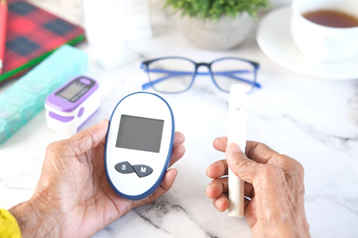
Diabetes affects various parts of the body, including your eyes. Keeping your blood sugar under control is not just good for your health overall, but it also helps protect your eyesight. Over time, high blood sugar can irritate the tiny blood vessels in your eyes and increase your risk of serious eye problems. Knowing how diabetes and eye health are linked can help you identify issues and take measures to protect your sight. How Does Diabetes Affect Eye Health? When blood sugar stays high, it can damage the blood vessels in the retina, which is the part of your eye that senses light and helps you see. Damaged blood vessels might leak fluid, swell, or change how well the retina works. Diabetic eye problems usually develop slowly, so you might not pick up on any changes in your vision until significant damage has occurred. That’s why it’s important for people with diabetes to get regular eye exams, even if their eyesight seems fine. Common Eye Conditions Linked to Diabetes People with diabetes are more likely to have certain eye problems. Finding and treating these issues early can lower the chance of losing vision permanently. 1. Diabetic Retinopathy Diabetic retinopathy is a common eye issue that happens when high blood sugar damages the retinal blood vessels. These damaged vessels may leak fluid, which may cause blurry vision, dark spots, or changes in how you see. In advanced cases, abnormal blood vessel growth can lead to serious problems. If diabetic retinopathy worsens, new abnormal blood vessels can grow, causing serious problems, including vision loss. Getting regular eye exams can help catch these changes early, before they become severe. When fluid is retained in the macula (part of the retina which focuses on sharp central vision), this swelling can make it harder to read, recognize faces, or see fine details clearly. When detected early, treatments can help reduce swelling and protect your eyesight. 3. Cataracts People with diabetes have a higher chance of getting cataracts early. Cataracts occur when the lens in your eye becomes cloudy, which can cause blurry vision, increased sensitivity to glare, and difficulty seeing clearly. While cataracts come with age, having diabetes can make them appear sooner or progress quicker. 4. Glaucoma Diabetes can also raise your risk for glaucoma, which is a group of eye diseases that harm the optic nerve. Glaucoma usually starts without any clear symptoms, but if it is not treated, it can cause permanent vision loss. Routine regular eye exams are important for finding glaucoma early and keeping your eyes healthy Diabetes-related eye problems might not cause symptoms at first. Still, there are some warning signs you should look out for: • Blurry or distorted vision • Difficulty focusing • Dark spots, floaters, or shadows in your sight • Increased sensitivity to glare • Trouble seeing colors clearly • Sudden alterations in vision • Partial or complete loss of vision If you notice sudden vision changes, contact an eye doctor as soon as possible. The Value of Regular Eye Exams for People With Diabetes Getting a full eye exam is one of the best ways to protect your vision if you have diabetes. During the examination, your physician will study your retina, look for symptoms of diabetic eye disease, and track any changes over time. Many eye problems linked to diabetes can be treated more easily if they are found early. Regular checkups help your eye doctor give you advice that fits your own eye health and diabetes care. Protecting Your Eyes When You Have Diabetes Looking after your general health is important for keeping your eyes healthy. Here are some things you can do to protect your vision: • Keeping blood sugar levels under control • Managing blood pressure and cholesterol • Scheduling regular diabetic eye exams • Following your diabetes treatment plan • Eating a balanced diet that promotes eye health • Avoiding smoking, which increases the risk of eye complications Prioritizing Your Vision and Eye Health Diabetes and eye health are closely linked, but you can lower your risk of serious vision problems by taking action early. Getting regular eye exams, making healthy choices, and managing your diabetes all help protect your eyesight. If you have diabetes, seeing your eye doctor regularly can help catch changes early and keep your vision clear for the future. Your eyes are a key part of your health, so make caring for them a priority at every age.