Dry Eyes: Common Causes and How to Treat Them

Bob Berendsen • August 1, 2024
Dry Eyes: Common Causes and How to Treat Them | Baptist Eye Surgeon
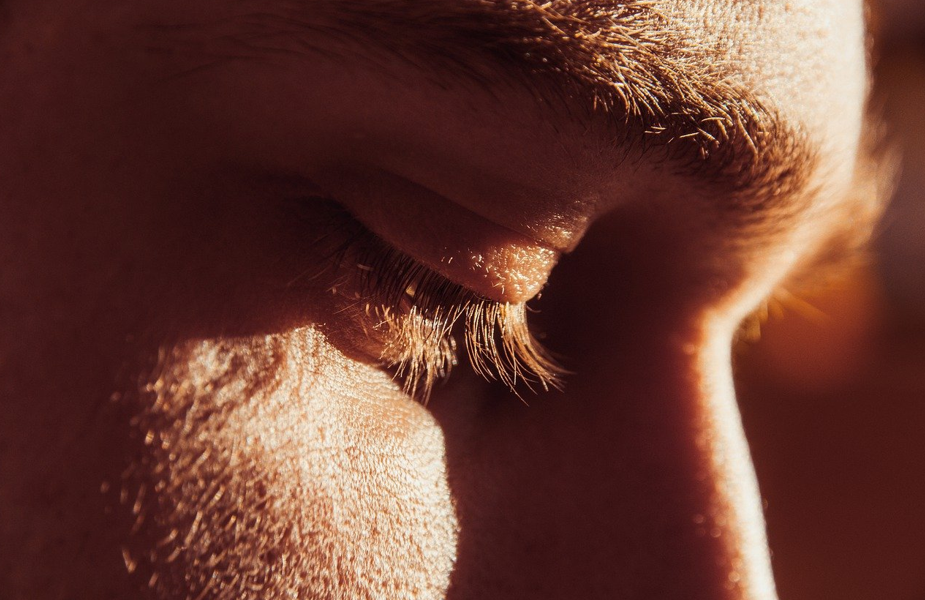
Have your eyes ever felt gritty, burning, or constantly itching? You might suffer from dry eyes, a surprisingly common condition affecting millions worldwide. Dry eyes occur when your tears can't properly lubricate your eyes, causing discomfort and even vision problems.


Read on to learn the common causes of dry eyes, the symptoms to watch for, and practical solutions to treat and prevent this condition.


Understanding Your Tears

Our eyes rely on a complex tear system to stay healthy and comfortable. Tears are more than just water; they're a delicate mix of water, oil, and mucus. This tear film acts as a shield, protecting your eyes from dust, debris, and dryness.


The water component of the tear film keeps your eyes hydrated, while the oil layer (produced by glands in your eyelids) helps prevent evaporation. Mucus helps spread the tears evenly across your eye surface. A healthy tear film maintains clear vision and overall eye health.


Common Causes of Dry Eyes

Dry eyes can develop due to various factors that disrupt tear production or quality:


Environmental Factors

Dry climates, windy conditions, and prolonged exposure to air conditioning or heating systems can all speed up tear evaporation. Spending a lot of time outdoors in dry, windy environments can remove tears from the surface of your eyes. Similarly, low humidity levels indoors, caused by air conditioning or heating systems, can also dry out your eyes.


Digital Eye Strain

Staring at screens for extended periods can decrease blinking, leading to dry eyes. In today's digital world, many spend a significant part of their day glued to screens—computers, laptops, tablets, and smartphones. This constant focus on digital devices can disrupt our natural blinking pattern. Blinking lets us spread tears across the eye's surface to keep it lubricated. When we stare at screens, our blink rate can decrease substantially, leading to dry, irritated eyes.


Medications

Certain medications, including antihistamines used for allergies and decongestants used for colds, can have dry eyes listed as a side effect. These medications block certain chemicals in the body, including some involved in tear production. Many other medications, including antidepressants, can also sometimes contribute to dry eyes.


Underlying Conditions

Medical conditions like Sjogren's syndrome or blepharitis (inflammation of the eyelids) can affect tear production. Sjogren's syndrome is an autoimmune disease that can attack the tear glands, leading to dry eyes. Blepharitis, a condition that causes inflammation of the eyelids, can clog the oil glands, which are needed for maintaining a healthy tear film.


Age

As we age, tear production decreases, making dry eyes more common in older adults. By the time we reach our 50s, many of us experience a noticeable decrease in tear production, making us more susceptible to dry eyes.


Hormonal Changes

Women experiencing hormonal fluctuations due to pregnancy, menopause, or birth control can be more susceptible to dry eyes. Hormonal fluctuations can also play a role in dry eyes. Women may experience dry eyes during pregnancy, menopause, or while using hormonal birth control pills or other medications.


Effective Treatments for Dry Eyes

Fortunately, there are several effective ways to manage and treat dry eyes:


  • Eyelid Hygiene: Our eyelids house tiny oil glands that secrete a vital tear film component. These glands can become clogged with debris and bacteria, leading to tear instability and dryness. A gentle eyelid cleaning routine using a warm compress followed by a specialized eyelid cleanser can help remove debris and keep these glands functioning optimally.
  • Warm Compresses: Applying warm compresses to your eyelids can be a simple yet effective way to soothe irritation and improve tear quality. The warmth helps to melt and loosen any blockage in the oil glands, allowing them to release their essential oils into the tear film.
  • Humidifiers: Humidifiers add moisture to the air, creating a more comfortable environment for your eyes and helping to prevent tears from drying out too quickly. Consider using a cool mist humidifier, especially during dry winter months or in air-conditioned environments.
  • Sunglasses: Wearing sunglasses that block UV rays and wind can help shield your eyes from these irritants and minimize tear evaporation. Look for sunglasses that offer good coverage around the eyes, and consider polarized lenses for extra glare protection.
  • Screen Time Management: Taking frequent breaks from screens and practicing good blinking habits can help prevent dry eyes. Try the 20-20-20 rule, which is where, every 20 minutes, you try to look at something at least 20 feet away for up to 20 seconds. Adjust screen brightness and consider using screen filters to reduce eye strain.
  • Medications: In some cases, prescription medications might be necessary to address the underlying cause of dry eyes.


If you're experiencing persistent dry eye symptoms, seek professional advice from an optometrist. They can diagnose the cause, recommend the best treatment, and monitor your progress.


The Importance of Prevention

While dry eyes can be a bothersome condition, several proactive measures can help prevent their occurrence or minimize their impact:


Maintaining a Healthy Lifestyle

Eating a balanced diet rich in omega-3 fatty acids, staying hydrated, and managing stress levels can all contribute to eye health.


Limiting Screen Time

Set reminders to take regular breaks from digital devices and practice the 20-20-20 rule.


Using a Humidifier

Adding moisture to your environment, especially at night or in dry climates, can significantly benefit your eyes.


At Baptist Eye Surgeons, our team of ophthalmologists is dedicated to providing comprehensive eye care. Contact us if you are experiencing persistent dry eye symptoms. 
July 29, 2026
Diabetes affects various parts of the body, including your eyes. Keeping your blood sugar under control is not just good for your health overall, but it also helps protect your eyesight. Over time, high blood sugar can irritate the tiny blood vessels in your eyes and increase your risk of serious eye problems. Knowing how diabetes and eye health are linked can help you identify issues and take measures to protect your sight. How Does Diabetes Affect Eye Health? When blood sugar stays high, it can damage the blood vessels in the retina, which is the part of your eye that senses light and helps you see. Damaged blood vessels might leak fluid, swell, or change how well the retina works. Diabetic eye problems usually develop slowly, so you might not pick up on any changes in your vision until significant damage has occurred. That’s why it’s important for people with diabetes to get regular eye exams, even if their eyesight seems fine. Common Eye Conditions Linked to Diabetes People with diabetes are more likely to have certain eye problems. Finding and treating these issues early can lower the chance of losing vision permanently. 1. Diabetic Retinopathy Diabetic retinopathy is a common eye issue that happens when high blood sugar damages the retinal blood vessels. These damaged vessels may leak fluid, which may cause blurry vision, dark spots, or changes in how you see. In advanced cases, abnormal blood vessel growth can lead to serious problems. If diabetic retinopathy worsens, new abnormal blood vessels can grow, causing serious problems, including vision loss. Getting regular eye exams can help catch these changes early, before they become severe. When fluid is retained in the macula (part of the retina which focuses on sharp central vision), this swelling can make it harder to read, recognize faces, or see fine details clearly. When detected early, treatments can help reduce swelling and protect your eyesight. 3. Cataracts People with diabetes have a higher chance of getting cataracts early. Cataracts occur when the lens in your eye becomes cloudy, which can cause blurry vision, increased sensitivity to glare, and difficulty seeing clearly. While cataracts come with age, having diabetes can make them appear sooner or progress quicker. 4. Glaucoma Diabetes can also raise your risk for glaucoma, which is a group of eye diseases that harm the optic nerve. Glaucoma usually starts without any clear symptoms, but if it is not treated, it can cause permanent vision loss. Routine regular eye exams are important for finding glaucoma early and keeping your eyes healthy Diabetes-related eye problems might not cause symptoms at first. Still, there are some warning signs you should look out for: • Blurry or distorted vision • Difficulty focusing • Dark spots, floaters, or shadows in your sight • Increased sensitivity to glare • Trouble seeing colors clearly • Sudden alterations in vision • Partial or complete loss of vision If you notice sudden vision changes, contact an eye doctor as soon as possible. The Value of Regular Eye Exams for People With Diabetes Getting a full eye exam is one of the best ways to protect your vision if you have diabetes. During the examination, your physician will study your retina, look for symptoms of diabetic eye disease, and track any changes over time. Many eye problems linked to diabetes can be treated more easily if they are found early. Regular checkups help your eye doctor give you advice that fits your own eye health and diabetes care. Protecting Your Eyes When You Have Diabetes Looking after your general health is important for keeping your eyes healthy. Here are some things you can do to protect your vision: • Keeping blood sugar levels under control • Managing blood pressure and cholesterol • Scheduling regular diabetic eye exams • Following your diabetes treatment plan • Eating a balanced diet that promotes eye health • Avoiding smoking, which increases the risk of eye complications Prioritizing Your Vision and Eye Health Diabetes and eye health are closely linked, but you can lower your risk of serious vision problems by taking action early. Getting regular eye exams, making healthy choices, and managing your diabetes all help protect your eyesight. If you have diabetes, seeing your eye doctor regularly can help catch changes early and keep your vision clear for the future. Your eyes are a key part of your health, so make caring for them a priority at every age. 
June 30, 2026
Night vision problems can make everyday activities like driving at dusk, walking in poorly lit places, or adjusting to indoor lighting harder and sometimes unsafe. Trouble seeing in low light, called nyctalopia, is not a disease itself but a sign that something else may be affecting your eyes. Learning what causes night vision problems and when to get help is important for keeping your vision healthy. What Are Night Vision Problems? Night vision problems mean it is hard to see clearly in low light or darkness. Some people notice their eyes take longer to adjust when going from bright to dim places. Others may have trouble with glare from headlights, seeing less contrast, or things just looking dimmer at night. Mild changes in night vision can happen as you get older, but if your symptoms keep getting worse or do not go away, you should pay attention to them. Common Causes of Night Vision Difficulties There are several potential causes of night vision problems. Night vision problems can have many causes, from getting older to certain eye conditions, such as lens problems, leading to blurred vision and increased sensitivity to glare. They are one of the most common causes of poor night vision, especially in older adults. 1. Cataracts Cataracts cause clouding of the eye’s natural lens, leading to blurred vision and increased sensitivity to glare. They are one of the most common causes of poor night vision, especially in older adults. 2. Vitamin A Deficiency Vitamin A is important for keeping your retina healthy. If you do not get enough vitamin A, your eyes may have trouble adjusting to darkness, which can lead to night blindness. 3. Glaucoma Some types of glaucoma can affect your side vision and make it harder to see differences between light and dark. As the optic nerve gets damaged, seeing in low light can become more difficult. 4. Retinitis Pigmentosa This inherited eye condition slowly affects your ability to see at night and to the sides. Early signs often include trouble seeing in the dark. 5. Diabetes-Related Eye Disease Diabetic retinopathy can harm the blood vessels in your retina, which may cause blurry vision and make it harder to see at night. 6. Aging and Pupil Changes As people get older, their pupils do not react to light changes as quickly, and the retina becomes less sensitive. This naturally makes night vision worse over time. Symptoms to Watch For Night vision problems often develop slowly. Some common signs are: Difficulty seeing in low light or darkness Trouble driving at night due to glare from headlights Longer adjustment time when moving between light and dark environments Reduced contrast or clarity in dim settings Frequent squinting or eye strain in low light If these symptoms start to affect your daily life, it is a good idea to get a full eye check-up. When to See an Eye Doctor You should see an eye doctor if you notice new night vision problems, if they are getting worse, or if you have other changes in your vision. The doctor can run tests to find out what is causing the problem and suggest the right treatment. A full eye exam might include checking your retina, testing your field of vision, and taking images to look at your eye health. Finding problems early is very important for conditions like glaucoma, diabetic eye disease, and retinal disorders, because early treatment can help protect your vision. Protecting Your Night Vision Not all causes of night vision loss can be prevented, but taking care of your eyes can lower your risk and help you see better. Some helpful steps are: Scheduling regular eye exams Handling chronic health conditions like diabetes Eating a diet rich in vitamin A and antioxidants Wearing proper corrective lenses if prescribed Avoiding driving with untreated vision changes Prioritizing Your Eye Health Night vision problems can be an early sign of eye disease. Since many eye problems develop slowly, having regular eye exams is one of the best ways to catch changes early and keep your vision healthy for the long term. If you have trouble seeing at night or notice any changes in your vision, making an appointment for an eye exam can help keep your eyes healthy and your vision clear in all types of light.
Understanding Eye Pressure: What It Means for Glaucoma Risk
June 1, 2026
Understanding eye pressure, or intraocular pressure (IOP), is important for protecting your vision. IOP considerably affects the development and progression...