Wait! Consider This before You Touch or Pop a Stye

Bob Berendsen • September 1, 2024
Wait! Consider This before You Touch or Pop a Stye | Baptist Eye Surgeons
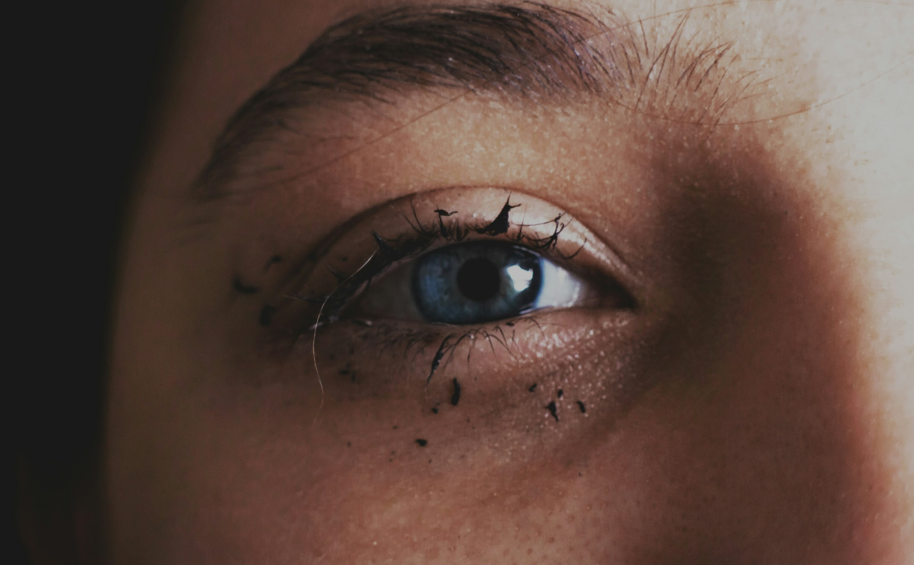
Anyone who's ever woken up with a red, tender bump on their eyelid knows the frustration of a stye. These little annoyances can feel like unwelcome guests taking up prime real estate on your face.


While the urge to squeeze them out might be strong, there's a good reason to resist that temptation.

What Is a Stye?

A stye, or hordeolum, is a small, inflamed bump on the edge of your eyelid. It's a clogged oil gland that becomes infected with bacteria. These meibomian glands produce oil that helps keep your tears lubricated and prevents your eyelids from drying out. When a gland gets blocked, bacteria can take hold, leading to the formation of a stye.


There are two main types of styes:


  • External Stye: This type forms on the outer edge of your eyelid, typically near the base of your eyelashes. It's the most common type and usually appears as a red, painful bump with a visible whitehead at its center.
  • Internal Stye: This type forms on the inner side of your eyelid, closer to your eye. Internal styes may not be visible at first, but you'll likely experience discomfort, a feeling of something stuck in your eye, and possibly redness inside your eyelid.


What Causes Styes?

There are a few different culprits that can contribute to the formation of a stye:


  • Bacterial Infection: Bacteria are the primary cause of styes. These bacteria can enter a clogged oil gland through various means, including touching your eyes with unwashed hands, using contaminated makeup or contact lenses, or having a chronic skin condition like blepharitis.
  • Blocked Oil Gland: Sometimes, even without bacteria, a blocked oil gland can lead to a stye. This can happen due to various factors, such as dry eyes, hormonal changes, or improper eyelid hygiene.
  • Blepharitis: This chronic inflammatory condition of the eyelids can increase your risk of developing styes. Blepharitis causes inflammation and crusting around the base of your eyelashes, potentially clogging oil glands and creating an environment ripe for infection.
  • Demodex Mites: These microscopic mites naturally live on our eyelashes and eyelids. While usually harmless, in some cases, an overgrowth of mites can contribute to blocked oil glands and potentially increase the risk of styes.


Why You Shouldn't Pop a Stye

Popping a stye might seem like the quickest way to eliminate that unsightly bump. However, there are several reasons why you should resist this temptation:


  • Spreading the Infection: Popping a stye can spread the bacteria further, potentially worsening the infection and causing it to become more inflamed.
  • Scarring: Squeezing a stye can damage the delicate skin around your eye, leading to scarring.
  • Risk of Serious Complications: In rare cases, popping a stye near your eye can introduce bacteria into your bloodstream, leading to a more serious infection.


Safe Home Remedies for Stye Relief

The good news is that most styes are relatively harmless and will clear up within a few days. Here are some safe and effective home remedies that can help speed up the healing process and alleviate discomfort:


  • Warm Compresses: Applying warm compresses to your eye several times a day is a simple yet effective way to promote drainage and reduce inflammation. Soak a clean washcloth in warm water, wring it out to remove excess moisture, and gently apply it to your closed eyelid for 10-15 minutes. Repeat this process every few hours.
  • Lid Hygiene: Maintaining good eyelid hygiene prevents future styes and promotes healing. Gently clean your eyelids with a warm, diluted solution of baby shampoo or a special eyelid cleanser recommended by your doctor. Use a clean cotton swab to remove any crusting around your eyelashes.
  • Over-the-counter Pain Relievers: Over-the-counter pain relievers like ibuprofen or acetaminophen can help manage the discomfort associated with a stye. It is always best to consult a doctor before taking any medications.
  • Avoid Contact Lenses: While your stye is present, ditch the contact lenses and opt for glasses instead. Contact lenses can irritate the stye and potentially trap bacteria, slowing healing.
  • Avoid Makeup: Putting on makeup while you have a stye can introduce more bacteria and irritate the area further. Give your eyes a break from makeup until the stye heals completely.
  • Don't Rub Your Eyes: Rubbing your eyes can irritate the stye and potentially spread the infection. Resist the urge and find alternative ways to soothe itchy eyes, such as artificial tears.


When to See a Doctor for Your Stye

While most styes are self-limiting and resolve on their own, there are situations where seeking professional medical attention is recommended:


  • Persistent Stye: If your stye persists for over a week despite home remedies, it's best to consult a doctor.
  • Recurrent Styes: Frequent styes could be a sign of an underlying condition like blepharitis. A doctor can identify the medical issue and suggest proper treatment.
  • Severe Pain or Vision Issues: If you experience severe pain, redness, swelling, or vision changes alongside your stye, see a doctor immediately. These symptoms could indicate a severe condition requires medical attention.
  • Internal Stye: Internal styes can be more challenging to treat and may require antibiotics or other medications prescribed by a doctor.


If your stye persists or worsens, don't hesitate to consult an ophthalmologist—an eye doctor specializing in diagnosing and treating eye conditions.


At Baptist Eye Surgeons, our team of experienced and qualified ophthalmologists is dedicated to providing comprehensive eye care, including treatment for styes and other eyelid conditions. Schedule an appointment today for expert advice and personalized treatment to help you achieve clear and healthy vision.
July 29, 2026
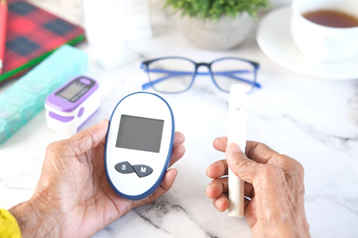
Diabetes affects various parts of the body, including your eyes. Keeping your blood sugar under control is not just good for your health overall, but it also helps protect your eyesight. Over time, high blood sugar can irritate the tiny blood vessels in your eyes and increase your risk of serious eye problems. Knowing how diabetes and eye health are linked can help you identify issues and take measures to protect your sight. How Does Diabetes Affect Eye Health? When blood sugar stays high, it can damage the blood vessels in the retina, which is the part of your eye that senses light and helps you see. Damaged blood vessels might leak fluid, swell, or change how well the retina works. Diabetic eye problems usually develop slowly, so you might not pick up on any changes in your vision until significant damage has occurred. That’s why it’s important for people with diabetes to get regular eye exams, even if their eyesight seems fine. Common Eye Conditions Linked to Diabetes People with diabetes are more likely to have certain eye problems. Finding and treating these issues early can lower the chance of losing vision permanently. 1. Diabetic Retinopathy Diabetic retinopathy is a common eye issue that happens when high blood sugar damages the retinal blood vessels. These damaged vessels may leak fluid, which may cause blurry vision, dark spots, or changes in how you see. In advanced cases, abnormal blood vessel growth can lead to serious problems. If diabetic retinopathy worsens, new abnormal blood vessels can grow, causing serious problems, including vision loss. Getting regular eye exams can help catch these changes early, before they become severe. When fluid is retained in the macula (part of the retina which focuses on sharp central vision), this swelling can make it harder to read, recognize faces, or see fine details clearly. When detected early, treatments can help reduce swelling and protect your eyesight. 3. Cataracts People with diabetes have a higher chance of getting cataracts early. Cataracts occur when the lens in your eye becomes cloudy, which can cause blurry vision, increased sensitivity to glare, and difficulty seeing clearly. While cataracts come with age, having diabetes can make them appear sooner or progress quicker. 4. Glaucoma Diabetes can also raise your risk for glaucoma, which is a group of eye diseases that harm the optic nerve. Glaucoma usually starts without any clear symptoms, but if it is not treated, it can cause permanent vision loss. Routine regular eye exams are important for finding glaucoma early and keeping your eyes healthy Diabetes-related eye problems might not cause symptoms at first. Still, there are some warning signs you should look out for: • Blurry or distorted vision • Difficulty focusing • Dark spots, floaters, or shadows in your sight • Increased sensitivity to glare • Trouble seeing colors clearly • Sudden alterations in vision • Partial or complete loss of vision If you notice sudden vision changes, contact an eye doctor as soon as possible. The Value of Regular Eye Exams for People With Diabetes Getting a full eye exam is one of the best ways to protect your vision if you have diabetes. During the examination, your physician will study your retina, look for symptoms of diabetic eye disease, and track any changes over time. Many eye problems linked to diabetes can be treated more easily if they are found early. Regular checkups help your eye doctor give you advice that fits your own eye health and diabetes care. Protecting Your Eyes When You Have Diabetes Looking after your general health is important for keeping your eyes healthy. Here are some things you can do to protect your vision: • Keeping blood sugar levels under control • Managing blood pressure and cholesterol • Scheduling regular diabetic eye exams • Following your diabetes treatment plan • Eating a balanced diet that promotes eye health • Avoiding smoking, which increases the risk of eye complications Prioritizing Your Vision and Eye Health Diabetes and eye health are closely linked, but you can lower your risk of serious vision problems by taking action early. Getting regular eye exams, making healthy choices, and managing your diabetes all help protect your eyesight. If you have diabetes, seeing your eye doctor regularly can help catch changes early and keep your vision clear for the future. Your eyes are a key part of your health, so make caring for them a priority at every age. 
June 30, 2026
Night vision problems can make everyday activities like driving at dusk, walking in poorly lit places, or adjusting to indoor lighting harder and sometimes unsafe. Trouble seeing in low light, called nyctalopia, is not a disease itself but a sign that something else may be affecting your eyes. Learning what causes night vision problems and when to get help is important for keeping your vision healthy. What Are Night Vision Problems? Night vision problems mean it is hard to see clearly in low light or darkness. Some people notice their eyes take longer to adjust when going from bright to dim places. Others may have trouble with glare from headlights, seeing less contrast, or things just looking dimmer at night. Mild changes in night vision can happen as you get older, but if your symptoms keep getting worse or do not go away, you should pay attention to them. Common Causes of Night Vision Difficulties There are several potential causes of night vision problems. Night vision problems can have many causes, from getting older to certain eye conditions, such as lens problems, leading to blurred vision and increased sensitivity to glare. They are one of the most common causes of poor night vision, especially in older adults. 1. Cataracts Cataracts cause clouding of the eye’s natural lens, leading to blurred vision and increased sensitivity to glare. They are one of the most common causes of poor night vision, especially in older adults. 2. Vitamin A Deficiency Vitamin A is important for keeping your retina healthy. If you do not get enough vitamin A, your eyes may have trouble adjusting to darkness, which can lead to night blindness. 3. Glaucoma Some types of glaucoma can affect your side vision and make it harder to see differences between light and dark. As the optic nerve gets damaged, seeing in low light can become more difficult. 4. Retinitis Pigmentosa This inherited eye condition slowly affects your ability to see at night and to the sides. Early signs often include trouble seeing in the dark. 5. Diabetes-Related Eye Disease Diabetic retinopathy can harm the blood vessels in your retina, which may cause blurry vision and make it harder to see at night. 6. Aging and Pupil Changes As people get older, their pupils do not react to light changes as quickly, and the retina becomes less sensitive. This naturally makes night vision worse over time. Symptoms to Watch For Night vision problems often develop slowly. Some common signs are: Difficulty seeing in low light or darkness Trouble driving at night due to glare from headlights Longer adjustment time when moving between light and dark environments Reduced contrast or clarity in dim settings Frequent squinting or eye strain in low light If these symptoms start to affect your daily life, it is a good idea to get a full eye check-up. When to See an Eye Doctor You should see an eye doctor if you notice new night vision problems, if they are getting worse, or if you have other changes in your vision. The doctor can run tests to find out what is causing the problem and suggest the right treatment. A full eye exam might include checking your retina, testing your field of vision, and taking images to look at your eye health. Finding problems early is very important for conditions like glaucoma, diabetic eye disease, and retinal disorders, because early treatment can help protect your vision. Protecting Your Night Vision Not all causes of night vision loss can be prevented, but taking care of your eyes can lower your risk and help you see better. Some helpful steps are: Scheduling regular eye exams Handling chronic health conditions like diabetes Eating a diet rich in vitamin A and antioxidants Wearing proper corrective lenses if prescribed Avoiding driving with untreated vision changes Prioritizing Your Eye Health Night vision problems can be an early sign of eye disease. Since many eye problems develop slowly, having regular eye exams is one of the best ways to catch changes early and keep your vision healthy for the long term. If you have trouble seeing at night or notice any changes in your vision, making an appointment for an eye exam can help keep your eyes healthy and your vision clear in all types of light.
Understanding Eye Pressure: What It Means for Glaucoma Risk
June 1, 2026
Understanding eye pressure, or intraocular pressure (IOP), is important for protecting your vision. IOP considerably affects the development and progression...