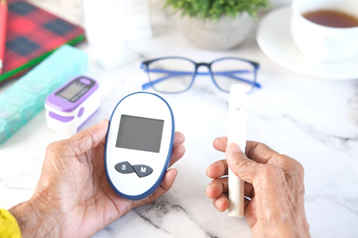
Genetic Eye Diseases: Does Family History Increase Risk?
Family medical history plays a big role in your health. As with high blood pressure and diabetes, genetics can also be an indicator of risk for certain eye diseases. However, having a close relative with an eye disease doesn’t automatically mean that you’ll develop it, too. On the other hand, it is something to tell us about so we can keep tabs on it.
There are multiple genetic eye diseases that you can develop, including:
- Glaucoma
- Age-related macular degeneration
- Cataracts
- Diabetic eye disease
Your best defense against these eye diseases is early detection. Comprehensive eye exams allow our ophthalmologists to get a more detailed picture of your eyes’ structures with dilation. This allows them to detect the early signs of eye diseases and vision problems to create treatment plans to protect your sight.
Glaucoma
According to the Center for Disease Control (CDC), glaucoma is the second leading cause of blindness globally. While most cases of vision loss are preventable, around 10% of glaucoma patients still experience loss of vision with proper treatment.
Glaucoma is hereditary, so it’s important to discuss it with relatives to learn if you have family members with glaucoma. But there are other risk factors for the disease.
Along with genetics, those diagnosed with glaucoma may also be:
- Over the age of 60
- Diabetic
- Severely nearsighted
Additionally, African Americans are at a much higher risk for glaucoma at a much younger age.
There is currently no cure for the disease and vision can’t be restored once it’s lost. That makes early detection essential for retaining your sight.
What is glaucoma?
Glaucoma steals your vision by damaging the optic nerve of your eye. This is usually due to high eye pressure ( intraocular pressure ) caused by the drainage system in the eye becoming clogged. Aqueous humor (the liquid that gives the eye its shape) flows easily through the eye when healthy, but the drainage system can act as a sink for it to become stuck in when unhealthy.
As pressure increases, the nerve fibers inside the eye begin to die off resulting in the loss of peripheral vision. This makes it more difficult to see objects without looking directly at them. Glaucoma is a slow-moving disease, so it’s possible that you won’t notice its effects for a long time. However, this tunnel vision will become more pronounced over time and eventually irreversible.
Forms of Glaucoma
There are different forms of glaucoma with some being more common than others. This includes:
- Primary open-angle glaucoma
- Congenital glaucoma
- Normal-tension glaucoma
- Angle-closure glaucoma
Primary open-angle glaucoma is the most common type of the disease. This type of glaucoma develops slowly with the gradual loss of your peripheral vision in the early stage. Eventually, you’ll notice the sharpness of your vision fade without proper treatment.
Congenital glaucoma goes by many names — childhood glaucoma, pediatric glaucoma, infantile glaucoma. Whatever term is used, it refers to glaucoma being present in babies and young children. Cloudiness in the cornea, enlarged eyes, and sensitivity to light may also be present with increased eye pressure.
Unlike other forms of glaucoma, normal-tension glaucoma doesn’t include elevated eye pressure. Also known as low-tension glaucoma , it still damages the optic nerve without increased pressure within the eye. This form of glaucoma is especially common in people of Japanese descent, as well as a history of systemic heart disease such as irregular heart rhythm.
Also known as narrow-angle glaucoma , angle-closure glaucoma develops much more rapidly than other types.
Symptoms include:
- Blurred or hazy vision
- Severe eye and head pain
- Nausea and vomiting
- Sudden loss of vision
- Seeing rainbow-colored circles around bright lights
Seek medical attention immediately if you’re experiencing symptoms of angle-closure glaucoma. It can cause damage much more quickly than other types, requiring an ophthalmologist to help preserve your vision.
Click here to learn more about glaucoma and how it affects your vision!
Age-Related Macular Degeneration
According to Dr. Adam Carrera , one of our skilled ophthalmologists, researchers have targeted certain genetic markers that indicate an increased risk of developing age-related macular degeneration (AMD). While there is currently no cure for AMD, experts are working on therapies that could possibly target patients with these genetic factors. This field is still evolving, but we’ll keep tabs on it as it develops.
Having a family health history of AMD doesn’t automatically mean that you’ll develop the disease. On the other hand, it is something that you should keep in mind and tell your ophthalmologist about as you get older.
Also, genetic risk isn’t the only factor for developing AMD. Other risk factors include:
- High cholesterol
- High blood pressure / hypertension
- Obesity
- Being caucasian
- Having light-colored eyes
- Being female
- Being farsighted
You can have early-stage AMD without realizing it, making regular eye exams extremely important for protecting your vision.
What is AMD?
AMD is when the layers and their cells in the back of your eye begin to break down. It also causes a protein known as drusen to collect within the macula, the telltale sign of the disease.
AMD comes in two types: wet and dry. Dry AMD is the more common of the two, comprising 80 – 85% of cases. Severe vision loss doesn’t usually occur until the later stages of this type. Wet AMD , also known as exudative AMD , occurs when blood vessels grow beneath the retina, causing bleeding and scarring. While less common, wet AMD is the more severe of the two.
Both types result in gradual loss of your central vision , making it more difficult to see what’s directly in front of you. Your ophthalmologist will be able to tell which type you have with a comprehensive eye exam.
Macular Degeneration Treatment
While there is currently no cure for AMD, there are eye care options for those with the disease. The treatment our surgeons recommend will be based on the type you have and how far it’s progressed.
Treatment options include:
- Surgery
- Medication
- Laser therapy
- Low-vision aids
- Retinal dislocation
- Antioxidant vitamins
Managing Your AMD
AMD may be manageable depending on how far your condition has progressed along with other variables. For instance, wet AMD requires closer observation than dry AMD. As Dr. Carrera explains, more severe cases will require more frequent visits to our office. However, cases in the early stages may only require yearly follow-ups.
One of the best things you can do as a patient is to be your own advocate. This means monitoring your vision problems on your own to keep track of how it’s progressing. You can do this by using an Amsler grid . Once a day, cover one eye and look at the grid.
Record any changes in your vision such as:
- Wavy lines
- Spots missing from the grid
- The grid becoming blurry
These changes could signal that you’re progressing from dry to wet AMD or another significant change.
Check out our AMA session with Dr. Carrera to learn more about AMD!
Cataracts
Cataracts are usually associated with getting older. Most cases begin around the age of 40, with an estimated 24.4 million Americans having them in some form. Nearly half of Americans have cataracts by the age of 75.
While a natural part of aging, a family history of the disease can help determine your risk. Having a single close relative with cataracts gives you a much greater chance of developing them than someone that doesn’t.
Make sure to discuss cataracts along with any other health conditions that may run in your family. They can give you a sign of what’s to come in the future, such as cataracts, as well as the types of symptoms to watch out for. Talking to our team about your family history of cataracts and other eye conditions can help us prepare and manage them in the future.
What are cataracts?
Healthy lenses allow light to pass through your eye and focus on the retina, similar to a film camera. Cataracts “cloud” the lens, preventing light from passing through and blurring your vision. They’re caused by deteriorating proteins in the lens of your eye, clumping together as they break down and obstructing your vision.
This causes the lens of your eye to become:
- Thicker
- Less flexible
- Cloudy
As with most cases of glaucoma, developing cataracts is a slow process that takes years. While they may not be harmful to your eye, they can still make daily life difficult for you. Tasks and activities like driving at night can become much more difficult and even dangerous without treatment.
Cataract Treatment
Surgery is the only effective treatment for cataracts, but it’s not usually the first resort. This is because cataracts grow so slowly that it makes surgery unnecessary until much later on. Instead, your eye doctor will use other means of treatment in the early stages.
This can include:
- Updating your lens prescription
- Recommending anti-glare eyewear
- Installing brighter lighting
- Using magnifying glasses
Talk to your eye doctor about creating a plan for when surgery will be necessary. With each eye exam, they will monitor the growth of your cataracts and recommend different treatments.
Different Types of Cataracts
Similar to glaucoma, cataracts come in different types. They include:
- Nuclear cataracts
- Congenital cataracts
- Cortical cataracts
- Posterior subcapsular cataracts
Nuclear cataracts are the most common form of the disease. They affect the center of your eye, causing nearsightedness. Eventually, your vision takes on a yellow then brownish tint, making it difficult to distinguish colors. Congenital cataracts are present at birth or they can develop in early childhood. They can be caused by genetics, intrauterine infection, or trauma.
Cortical cataracts grow around the edge of the lens, forming streaks or triangular shapes near the edge. They eventually make their way to the center, affecting your depth perception and causing glare. Posterior subcapsular cataracts form at the back of your lens, making it more difficult to see things up close. They tend to grow more quickly than other types of cataracts.
Want to dive deeper into cataracts? Click here to read our comprehensive guide!
Diabetic Eye Disease
Type two diabetes has a closer connection to genetics than type one, though environmental and lifestyle factors also play a role. In fact, it can be difficult to tell which caused your type two diabetes if it runs in your family. It is possible to delay or even prevent type 2 diabetes with exercise and weight loss, which can protect your vision along with your overall health.
When healthy, your body easily breaks food down into sugar ( glucose ) which is released into the bloodstream. A spike in blood sugar tells the pancreas to release insulin, which lets the sugar enter your body’s cells to be converted into energy.
Diabetes interferes with this process by either:
- Not making enough insulin, or
- Not making insulin as effectively as it should
Regardless of which you experience, they both cause sugar to stay in your bloodstream. This can lead to major health issues such as:
- Vision loss
- Kidney disease
- Heart disease
Diabetes affects your vision in a number of ways, from damaging the blood vessels in your eyes to cataracts to glaucoma. This can lead to irreversible damage, so it’s important to manage your blood sugar to protect your vision as well as your overall health.
Fortunately, most diabetes-related vision loss is preventable with early detection. The key is to be getting regular comprehensive eye exams so we can get a clearer picture of your eye health. With these in-depth eye exams, we can see deeper into the eye to detect major eye and overall health issues in their early stages before they become unmanageable.
Diabetic Retinopathy
Diabetic retinopathy occurs when high blood sugar damages the blood vessels in your eyes. The retina, located in the back of your eyes, faces the brunt of the damage. The retina helps detect light to help you see so it’s vital that it remains as healthy as possible.
Diabetic retinopathy can damage your retina by causing:
- Swelling
- Leaking
- Closing up
- Abnormal blood vessels to grow
There are two types of diabetic retinopathy: non-proliferative retinopathy ( background diabetic retinopathy ) and proliferative diabetic retinopathy. The non-proliferative type causes blood vessels to rupture, increasing your risk of vision loss. The proliferative type causes new, defective blood vessels to grow. It’s rarer but also more likely to lead to impaired vision.
Diabetic Macular Edema
Blurred vision is a common symptom of diabetes. This is often the result of fluids accumulating on the retina, a condition known as diabetic macular edema (DME). This process causes the retina to become swollen which leads to blurred vision. DME is associated with non-proliferative retinopathy, specifically attacking the center of the retina known as the macula .
Non-proliferative retinopathy isn’t usually associated with significant vision loss. On the other hand, DME is a major threat to your vision regardless of the type of retinopathy you may have. Visit our office for regularly scheduled comprehensive eye exams to stay on top of your eye health and protect your vision.
Want to learn more about how diabetes can affect your eyesight? Read Diabetic Eye Disease: What You Need To Know to find out!
Comprehensive Eye Exams for Genetic Eye Diseases

While genetic testing is available to see if you’re susceptible to certain eye diseases, what’s most important is getting comprehensive eye exams . Also known as dilated eye exams or baseline eye exams , ophthalmologists use these tests to get a clearer picture of your eye health as well as overall health.
A lot of vision and other health problems don’t make themselves known until their later stages. With comprehensive eye exams, we can catch the early signs of vision problems and begin treatment right away. Even more important is that many health issues are more treatable in their beginning stages, making early detection all the more important.
Think of comprehensive eye exams like a yearly physical and a semi-annual visit to your dentist. It’s more than a way to make sure you’re getting your money’s worth out of your insurance payments. It’s a vital part of your preventative health routine.
Unsure when your last dilated eye exam was? Read 7 Signs That It’s Time For Your Next Comprehensive Eye Exam to see if it’s time to schedule a new one!
Comprehensive eye exams are about more than updating your eyewear prescription. They catch more serious eye issues related to aging, as well as those connected to your overall health.
Comprehensive eye exams allow us to detect the early signs of:
- Cataracts
- Glaucoma
- Macular degeneration
- Hypertension
- Diabetes
- Autoimmune disorders
Early detection allows you to get treatment for problems like these early and often. It also allows us to keep track of these issues, noting any changes and adjusting treatment as needed to protect your vision.
Are you concerned that you have an eye disease due to your family history? Contact us today to schedule your comprehensive exam!
Glaucoma, AMD, cataracts, and diabetic eye disease all have associations with family medical history. Comprehensive eye exams help ensure that they’re detected early by allowing our team to get a detailed view of the structures of your eyes. With this information, we can detect the signs of eye disease and provide you with the treatment you need to protect your vision.
Baptist Eye Surgeons is an ophthalmological practice in Knoxville, TN, and Morristown, TN. Give us a call at 865-579-3920 for more information or to schedule an appointment .