What Does It Mean If My Peripheral Vision Has Changed?

* This blog post was last updated on 04/05/23
Sudden changes to your vision can be alarming. For example, a reduction in peripheral vision makes it hard to see anything besides what’s directly in front of you. When this occurs, you need to know what it may mean and what you should do about it.
Peripheral vision is the ability to see around you without moving your head. Changes can occur for different reasons, including problems with the retina. Eye conditions such as glaucoma and diabetic retinopathy can cause reduced side vision as well. Your ophthalmologist can diagnose the cause and provide treatment if necessary.
What is Peripheral Vision?
Peripheral vision, or side vision, lets you see what’s above, below, and to the side without having to move your head. Peripheral vision loss (PVL) occurs when your side vision becomes diminished. Also known as tunnel vision , it can cause you to feel as if the world is closing in around you.
In the back of the eye is a thin layer of tissue known as the retina . When healthy, cells in the retina sense incoming light and create our peripheral and central vision (when you stare straight ahead). The retina sends signals to the optic nerve, which sends signals to the brain where it becomes what we see.
You can develop PVL at any age, but it’s more common as you age. This is due to underlying eye conditions that develop as you grow older. Damage to the optic nerve, retina, or part of the brain that processes visual input can also result in PVL.
PVL can cause problems with spatial orientation and mobility. Those with the condition are more likely to trip over objects in their path or bump into other people. For many, it also leads to impaired night vision.
Tunnel vision is permanent in most cases, but there are instances where it’s only temporary. For example, people suffering from migraine headaches sometimes suffer from temporary tunnel vision. The condition can affect both your eyes or only one of them.
Causes of PVL
The American Academy of Ophthalmology notes that peripheral vision loss is often caused by four conditions:
Glaucoma
Glaucoma causes PVL by damaging the optic nerve, which connects the eyeball to the brain.Tunnel vision can occur as the condition progresses, damaging the optic nerve further. If left untreated, glaucoma can eventually result in complete vision loss.
Glaucoma is the second-leading cause of blindness worldwide. It is often referred to as the “silent thief of sight” due to not having any symptoms before vision loss. It’s usually too late to prevent or reverse PVL once it has set in. This makes comprehensive eye exams all the more important.
Click here to download our free ebook, The Complete Guide to Glaucoma !
Diabetic Retinopathy
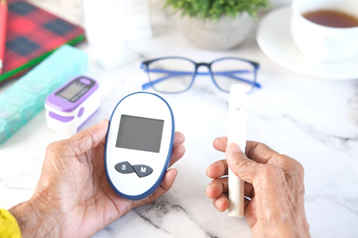
One of the ways the retina can become damaged is by high blood sugar levels. They can damage the small blood vessels in the retina along with the rods and cones that sense light. As damage progresses, changes to vision, including peripheral vision loss, become more evident.
About 40-45% percent of Americans with diabetes have a form of diabetic retinopathy. However, about 50% of them don’t yet know that they have the disease. This is because symptoms haven’t appeared yet or because they’ve skipped regular eye exams to screen for the disease.
To read our diabetic retinopathy FAQ with Dr. Erik Sweet, click here !
Retinitis Pigmentosa
Retinitis pigmentosa is a genetic condition that damages the retina and can affect people at any age. Night blindness is usually the first noticeable symptom, but it may progress to being unable to distinguish colors. Eventually, it can develop into PVL. Vision loss from retinitis pigmentosa varies from person to person depending on the type and progression rate of the disease.
Droopy Eyelids
PVL can also be caused by droopy or heavy eyelids covering part of the eye that wouldn’t normally be covered. This reduces your field of vision as the eye is exposed to less light.
Patients often experience greatly improved peripheral vision after upper eyelid surgery , which allows more light to enter the eye. Many patients comment that they didn’t realize how much their vision was affected before surgery compared to after.
Click here to download our comprehensive guide to cosmetic eyelid surgery in Knoxville, Tennessee!
Treatments For PVL
See your eye doctor immediately if you ever experience a sudden increase in tunnel vision . This may indicate a detached retina which must be treated as soon as possible to avoid permanent vision loss.
There are currently no easy fixes to correct permanent loss of peripheral vision. However, special eyewear or optical devices can sometimes be added to your glasses prescription to expand your field of view.
The best remedy for tunnel vision due to glaucoma is prevention. You must take your glaucoma medication regularly to control high eye pressure. Otherwise, you risk permanent optic nerve damage and the development of blind spots in your visual field.
Treatment is similar if you have diabetic retinopathy. Controlling your blood sugar levels and maintaining a healthy weight and lifestyle can slow or prevent vision loss. Some people benefit from techniques taught by sports vision specialists that may strengthen peripheral parts of the field of vision.
Consider visiting a low-vision specialist if you have permanent loss of side vision. They can provide eye care that may help with mobility problems caused by tunnel vision.
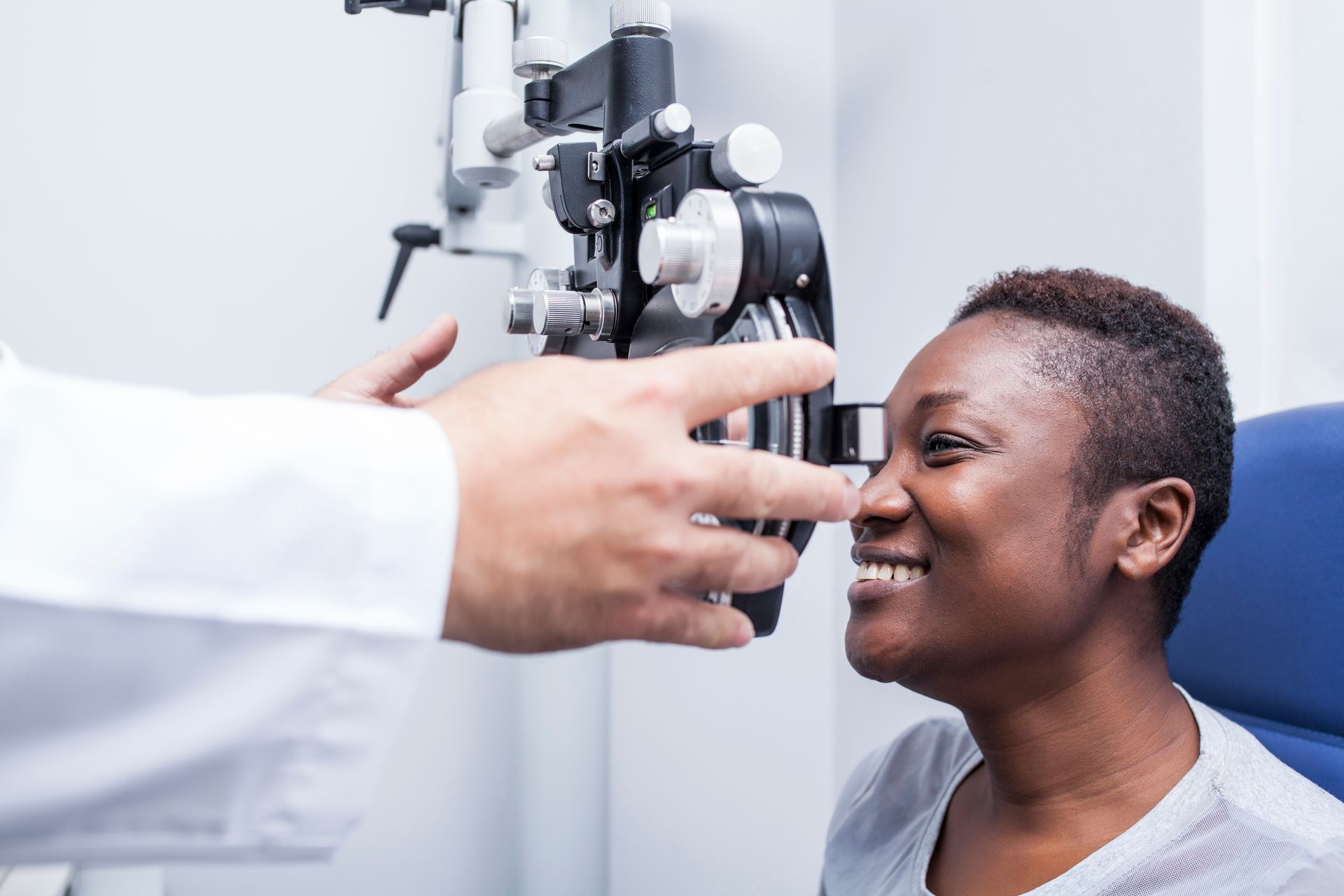
If you or a family member have diabetes, glaucoma, or other eye conditions then you may have a higher risk of PVL. Don’t wait for signs of PVL to schedule a comprehensive eye exam.
Do you need a comprehensive eye exam due to sudden changes in your vision? Contact us today to schedule your appointment!
Your peripheral vision allows you to see around you without having to move your head. You can lose this ability for a number of reasons including issues with the retina or optic nerve. There are multiple conditions that can cause the condition, such as glaucoma and diabetic retinopathy. Your Knoxville or Morristown ophthalmologist can diagnose the cause and provide much-needed treatment.
Baptist Eye Surgeons is an ophthalmological practice in Knoxville, TN, and Morristown, TN. Give us a call at 865-579-3920 for more information or to schedule an appointment .