Thyroid Eye Disease 101: Causes, Symptoms, and Treatment
Thyroid eye disease is a rare but serious condition that can have long-lasting effects on your vision. Most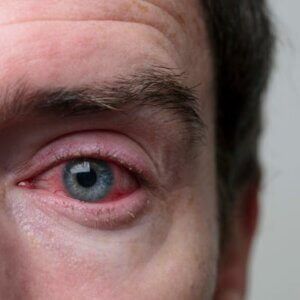 commonly known for causing bulging eyes, it can also gradually damage your optic nerve which can lead to glaucoma. You will need a medical diagnosis and professional treatment in order to avoid these serious complications.
Thyroid eye disease is an autoimmune disease usually caused by a problem with the thyroid, often due to overactivity. It results in the inflammation and swelling of tissues around the eye. Common symptoms include bulging eyes, double vision, and pain. It is diagnosed with a comprehensive eye exam and can be treated in a number of ways.
What Is Thyroid Eye Disease?
Also known as Graves ophthalmopathy , thyroid eye disease (TED or Graves orbitopathy ) is an autoimmune disorder affecting the eyes and the tissues around the eye. It’s usually caused by an overactive thyroid gland ( hyperthyroidism ). However, it can also affect people with normal thyroid function or an underactive thyroid ( hypothyroidism ).
Causes
Thyroid eye disease occurs when the immune system attacks the eyes’ surrounding tissue. This results in the swelling and inflammation of tissues such as:
- Muscles
- Connective tissue
- Fatty tissue
As an autoimmune disease, thyroid eye disease is due to the immune system attacking the body. In this case, it attacks the eyes and eyelids as well as other surrounding tissues.
Phases
The condition has two different phases:
- Active
- Stable
The active phase is also known as the inflammatory phase . This phase can last from just a few months to as long as three years. The stable phase occurs when the inflammation has subsided.
Connection to Graves Disease
Thyroid eye disease is often related to another autoimmune disorder known as Graves disease .
It can also affect the:
- Thyroid
- Eyes
- Skin
Graves disease can lead to hyperthyroidism which is when your body releases too many thyroid hormones. However, it can occasionally lead to the opposite problem of hyperthyroidism. Both instances, as well as people with normal thyroid hormone levels, can experience thyroid eye disease.
Symptoms
Symptoms of thyroid eye disease can vary. On the other hand, there are certain signs you and your Knoxville ophthalmologist can be on the lookout for.
They include:
- Bulging eyes ( proptosis )
- Eyes feeling gritty
- Redness
- Double vision ( diplopia )
- Pain behind your eyes
- Pain when you move your eyes
- Dry eyes
- Increased tear production
Both eyes will have symptoms in the majority of cases, although there are instances where only one eye is affected. Contact your Knoxville eye doctor immediately if you experience any changes in your vision or the skin around your eyes. They will be able to diagnose the issue and provide the necessary treatment for your condition.
Possible Complications
Loss of vision can occur in severe cases of the disease due to optic nerve damage. In the case of thyroid eye disease, pressure on the optic nerve can be caused by buildup in vessels that transport blood through the eye.
This only highlights how important it is to seek treatment immediately if you notice changes in your eyes or vision. While the changes caused by thyroid eye disease may not seem that severe in the beginning, lack of treatment can lead to irreversible vision loss. Contact our office immediately if you notice any sudden changes to your vision so you can get the treatment you need.
Click here to learn more about glaucoma and its treatment options!
Diagnosis & Treatment in Knoxville, TN
You’ll need a comprehensive eye exam and possibly other tests to be diagnosed with thyroid eye disease. While you’ll need treatment for thyroid disease, this won’t cure thyroid eye disease. Your Knoxville ophthalmologist will prescribe one or more treatments based on your individual needs.
Diagnosis
Your eye doctor will perform a comprehensive eye exam to see if you have thyroid eye disease or not. These exams use eye dilation, which allows eyecare professionals to view the inner structure of your eyes. This gives them insight not only into your eye health but overall health as well.
Other necessary tests that may be required include:
- An ultrasound of the eyes
- Computed tomography (CT scan)
- Magnetic resonance imaging (MRI)
To learn more about comprehensive eye exams at Baptist Eye Surgeons, click here !
Treatment
Treatment for thyroid eye disease can vary depending on the patient. In some cases, you may be prescribed more than one treatment to fight the disease. This may include:
- Over-the-counter medications (OTCs)
- Prescription medications
- Lifestyle changes
- At-home treatments
- Surgery
- Radiation
OTCs in the form of eye drops and artificial tears can help relieve irritation and dryness without a prescription. Prescription medications such as anti-inflammatory medicines and systemic steroids may be prescribed to treat the condition. Be sure to follow your doctor’s instructions and discuss any possible side effects beforehand.
Lifestyle changes like quitting smoking can make a big impact on your symptoms. At-home treatments can also help alleviate your symptoms. To make yourself feel more comfortable, try:
- Applying a cold compress to your eyes
- Raising your head above your body when lying down
- Using an eye patch to reduce double vision
- Wearing sunglasses
Surgery may be necessary for some patients. This could involve loosening the eyelids to protect the cornea, moving your eye muscles, enlarging the eye socket, or removing excess tissue. Radiation may be used in the form of radioactive iodine to get rid of the hormone-producing cells.
Do you need treatment for thyroid eye disease in East Tennessee? Contact us today to schedule your appointment!
Thyroid eye disease is an autoimmune disease caused by problems with the thyroid gland. It causes swelling and inflammation that affects the muscles, connective tissue, and fatty tissue around the eye. Bulging eyes, double vision, and pain are common symptoms of the disease. Your ophthalmologist at Baptist Eye Surgeons is able to diagnose it with a comprehensive eye exam and provide custom treatment recommendations specifically for you.
Baptist Eye Surgeons is an ophthalmological practice in Knoxville, TN, and Morristown, TN. Give us a call at 865-579-3920 for more information or to schedule an appointment .