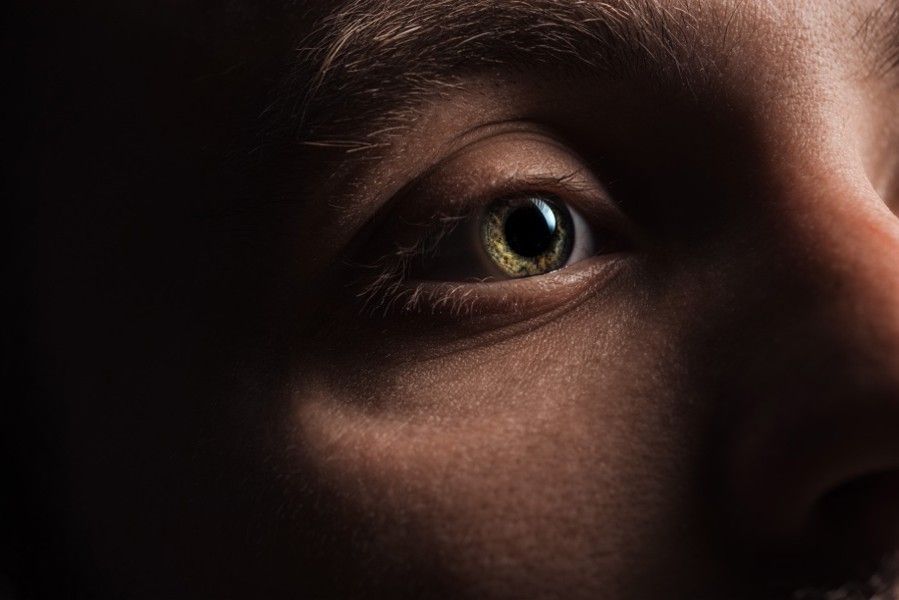
UV Safety Month 2020: Fun in the Sun While Protecting Your Vision

Baptist Eye Surgeons • July 10, 2020

Everyone here at Baptist Eye Surgeons wants you to have the best summer possible. Whether it’s grilling, going on vacation, or simply spending as much time outside as possible, we want you to be making smart choices about your vision while having fun in the sun. 

That’s why we are so passionate about UV Safety Month. To have the best summer ever, you need to understand how easy preventing UV damage to your eyes is, how to choose the best sunglasses, and know the dangerous effects of UV radiation.  

We will take a look at:

  • Why we observe UV Safety Month
  • Choosing the right UV protection for your eyes
  • The dangers of UV radiation

UV Safety month is a great way to educate yourself about the dangers of UV radiation while safely soaking up the sun. A little protection goes a long way in ensuring healthy eyes and vision for many summers to come!

Why We Observe UV Safety Month

UV exposure is an important part of being healthy. For instance, regular exposure to UV rays will help you sleep better , which is especially useful as we age and are more susceptible to insomnia. This is thanks to our eyes containing light-sensitive cells that help regulate our natural sleep cycle. They basically act as our own biological alarm clock.

Another important role UV exposure plays is in preventing nearsightedness in children. Getting your kids outside is a wonderful way to protect their vision, get them out from in front of electronic screens, as well as teach them about eye health. None of these benefits of UV radiation even touch on how our planet could not support life without UV radiation.

But chances are that’s not what you hear when people are talking about UV radiation, and for good reason. UV rays are directly related to certain types of cancer, vision loss, and premature aging. UV rays don’t have to come from the sun to cause damage, either. Artificial UV radiation poses an equal if not greater due to people being less concerned about it. 

Fortunately, avoiding UV damage to your vision is relatively easy to do. Like sunblock for your skin, wearing the right eye protection early and often is the best way to protect your eyes and vision from the sun’s harmful rays. Not only will a quality pair of sunglasses make it easier to be outside in the summer, but they will protect your eyes and vision all year long!   

Choosing the Right UV Protection for Your Eyes

When it comes to protecting your vision from the sun’s rays, nothing works better than a pair of UV protection safety glasses . However, not all sunglasses are created equal. Some sunglasses offer genuine UV protection while others are nothing more than fashion accessories. Keep reading to learn how to choose the best sunglasses that will give you the best UV protection.

UV Absorption

Many people think that polarized lenses and UV absorption are the same, but that is not the case. Polarized lenses are designed to minimize reflected glare. Unfortunately, they don’t offer much in the way of UV absorption. For maximum UV protection, choose sunglasses labeled as having 99% – 100% UV protection, or that say “up to 400nm,” which is 100% absorption.

Frame Fit

The fit of your frames is extremely important for UV protection. Poorly fitting frames can allow the sun’s rays to reach your eyes regardless of how much UV absorption they offer. Choose sunglasses that:

  • Fit closely against your face
  • Don’t touch your eyelashes
  • Are even with your brow

Wrap-around style sunglasses are your best bet since they protect your eyes at every angle. Not only do they offer maximum UV protection, but they help protect your eyes from allergens like pollen, as well!

Lens Durability

Sunglass lenses can be made from materials including plastic, polycarbonate plastic, and shatterproof glass. You’ll most likely be wearing them outside, so we recommend plastic lenses over regular glass, which are much more fragile. 

Polycarbonate plastic is much more durable if you’re physically active, but they also scratch easily. Opt for a pair with a scratch-resistant coating if you choose this option.

Lens Quality

You may not think about the quality of your lenses often, but this can be a major mistake since low-quality lenses can impede your vision. To test lens quality:

  1. Look at a rectangular object such as a floor tile
  2. Cover one eye and hold the glasses away from your face at a comfortable distance
  3. Move the glasses horizontally and vertically

Pay special attention to the lines of the object you are looking at. If the lines stay straight then they are a quality pair of lenses. If they become squiggly or deformed then find another pair.

Finding the perfect pair of sunglasses can be time-consuming. On the bright side, taking the extra time looking for these features will guarantee a quality pair of sunglasses that will keep your eyes safe and healthy.

The Dangers of UV Radiation

The dangers of UV radiation make sun safety extremely important. The sun can damage your eyes in multiple ways, including general discomfort, eye growths, and even eye cancer. Many people don’t take these threats seriously or are simply unaware of them since they don’t experience symptoms immediately. That’s why it’s essential to develop good eye habits early.

Cataracts

Cataracts are the leading cause of blindness worldwide. They result in a clouding of your eye’s lens which reduces your vision. While cataracts occur with varying severity depending on the individual, their effects can be amplified by UV radiation. This can lead to developing cataracts sooner or even experiencing severe vision loss much earlier than normal.

Photokeratitis

Photokeratitis, also known as corneal sunburn , occurs when the tissue on your eye has become inflamed. Eye tissue is extremely sensitive and it doesn’t take long for UV radiation to damage it. It’s important to understand that photokeratitis can happen at any time of year. Those who spend a lot of time near reflective surfaces like snow and bodies of water are especially at risk.

Macular Degeneration

Located on the retina , the macula helps deliver nerve signals to the brain in order to produce the images we see. The macula is essential to this process since it makes our vision more clear and detailed. Like cataracts, UV radiation harms the macula by speeding up the degenerative process. The end result is blurred vision when looking directly at an object.

Pterygium & Pinguecula

Pterygium is a growth on the eye that is the result of prolonged UV exposure. They occur on the conjunctiva which lays over the front of your eyes and inside of your eyelids. While usually a cosmetic problem, a pterygium can stretch out and over the cornea, which can result in vision loss. 

Like pterygium, a pinguecula is a growth affecting the conjunctiva of your eye. Unlike a pterygium, a pinguecula is a raised area inside the conjunctiva. They’re often described as a bump on the eyeball and tend to be yellow or white in color. Pingueculas are most common in areas with lots of dust and sand. Luckily, they are easily treated with eye drops.

This list is not an exhaustive one. However, it does show how natural and artificial UV radiation can damage your eyes and vision over time. Spending time outside having fun in the sun is still an important part of your overall health. That’s why we are so passionate about UV Safety Month 2020. By understanding these sun safety facts, you stand a greater chance of having many years of healthy vision to come while enjoying time outside!

Final Thoughts

UV Safety Month is all about balancing the fun of summer with UV safety. While it has its benefits, UV rays are also hazardous to your eyes and vision. The best thing you can do is buy a quality pair of sunglasses with UV absorption, frames that fit, with high-quality, durable lenses. They are your best defense against the effects of damaging UV rays while enjoying your summer. 

Baptist Eye Surgeons is an ophthalmological practice in Knoxville, TN, and Morristown, TN. Visit our website to meet our doctors and learn more about our specialties, or give us a call at 865-579-3920 for more information or to schedule an appointment .
July 29, 2026
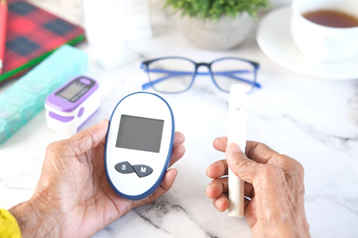
Diabetes affects various parts of the body, including your eyes. Keeping your blood sugar under control is not just good for your health overall, but it also helps protect your eyesight. Over time, high blood sugar can irritate the tiny blood vessels in your eyes and increase your risk of serious eye problems. Knowing how diabetes and eye health are linked can help you identify issues and take measures to protect your sight. How Does Diabetes Affect Eye Health? When blood sugar stays high, it can damage the blood vessels in the retina, which is the part of your eye that senses light and helps you see. Damaged blood vessels might leak fluid, swell, or change how well the retina works. Diabetic eye problems usually develop slowly, so you might not pick up on any changes in your vision until significant damage has occurred. That’s why it’s important for people with diabetes to get regular eye exams, even if their eyesight seems fine. Common Eye Conditions Linked to Diabetes People with diabetes are more likely to have certain eye problems. Finding and treating these issues early can lower the chance of losing vision permanently. 1. Diabetic Retinopathy Diabetic retinopathy is a common eye issue that happens when high blood sugar damages the retinal blood vessels. These damaged vessels may leak fluid, which may cause blurry vision, dark spots, or changes in how you see. In advanced cases, abnormal blood vessel growth can lead to serious problems. If diabetic retinopathy worsens, new abnormal blood vessels can grow, causing serious problems, including vision loss. Getting regular eye exams can help catch these changes early, before they become severe. When fluid is retained in the macula (part of the retina which focuses on sharp central vision), this swelling can make it harder to read, recognize faces, or see fine details clearly. When detected early, treatments can help reduce swelling and protect your eyesight. 3. Cataracts People with diabetes have a higher chance of getting cataracts early. Cataracts occur when the lens in your eye becomes cloudy, which can cause blurry vision, increased sensitivity to glare, and difficulty seeing clearly. While cataracts come with age, having diabetes can make them appear sooner or progress quicker. 4. Glaucoma Diabetes can also raise your risk for glaucoma, which is a group of eye diseases that harm the optic nerve. Glaucoma usually starts without any clear symptoms, but if it is not treated, it can cause permanent vision loss. Routine regular eye exams are important for finding glaucoma early and keeping your eyes healthy Diabetes-related eye problems might not cause symptoms at first. Still, there are some warning signs you should look out for: • Blurry or distorted vision • Difficulty focusing • Dark spots, floaters, or shadows in your sight • Increased sensitivity to glare • Trouble seeing colors clearly • Sudden alterations in vision • Partial or complete loss of vision If you notice sudden vision changes, contact an eye doctor as soon as possible. The Value of Regular Eye Exams for People With Diabetes Getting a full eye exam is one of the best ways to protect your vision if you have diabetes. During the examination, your physician will study your retina, look for symptoms of diabetic eye disease, and track any changes over time. Many eye problems linked to diabetes can be treated more easily if they are found early. Regular checkups help your eye doctor give you advice that fits your own eye health and diabetes care. Protecting Your Eyes When You Have Diabetes Looking after your general health is important for keeping your eyes healthy. Here are some things you can do to protect your vision: • Keeping blood sugar levels under control • Managing blood pressure and cholesterol • Scheduling regular diabetic eye exams • Following your diabetes treatment plan • Eating a balanced diet that promotes eye health • Avoiding smoking, which increases the risk of eye complications Prioritizing Your Vision and Eye Health Diabetes and eye health are closely linked, but you can lower your risk of serious vision problems by taking action early. Getting regular eye exams, making healthy choices, and managing your diabetes all help protect your eyesight. If you have diabetes, seeing your eye doctor regularly can help catch changes early and keep your vision clear for the future. Your eyes are a key part of your health, so make caring for them a priority at every age. 
June 30, 2026
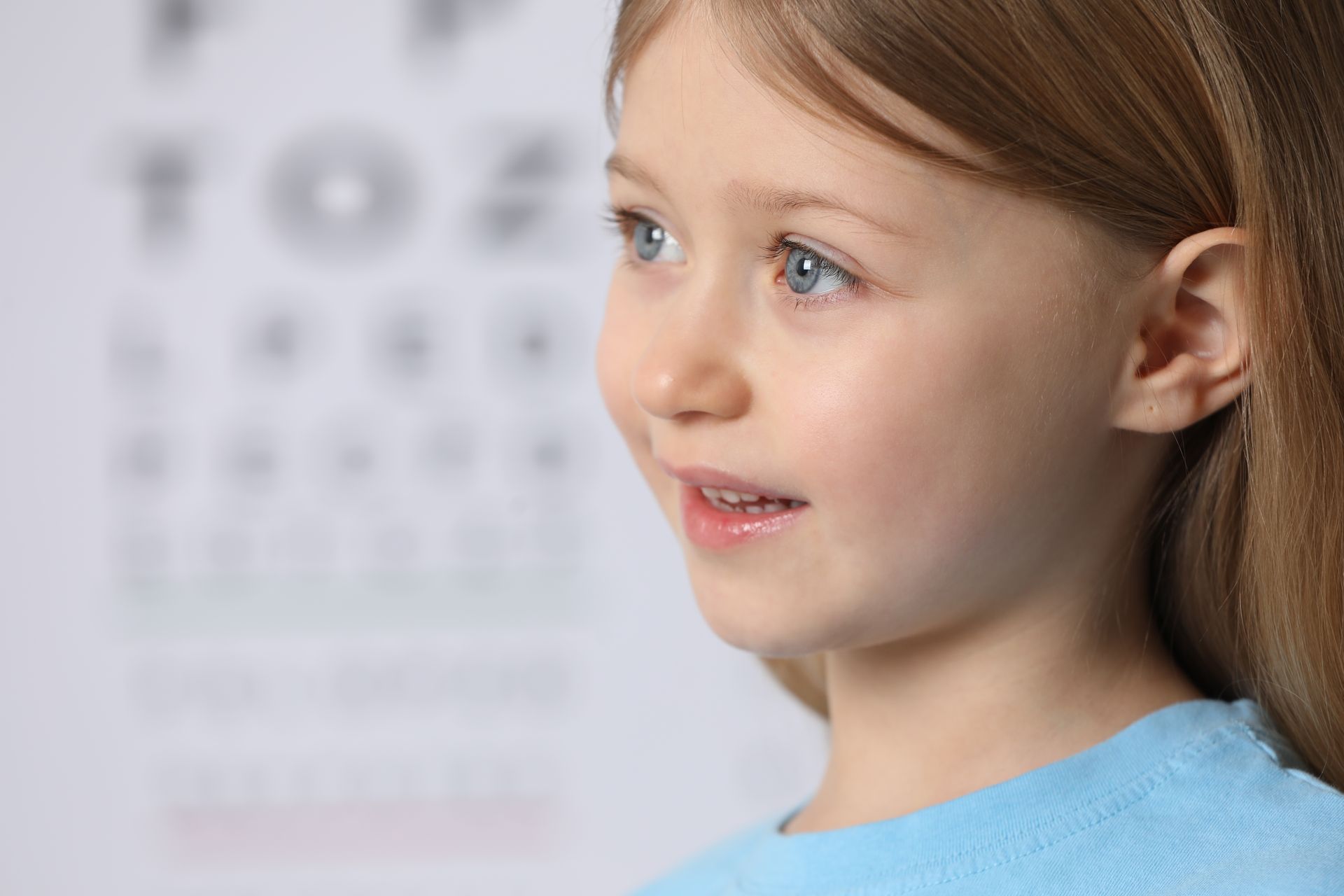
Night vision problems can make everyday activities like driving at dusk, walking in poorly lit places, or adjusting to indoor lighting harder and sometimes unsafe. Trouble seeing in low light, called nyctalopia, is not a disease itself but a sign that something else may be affecting your eyes. Learning what causes night vision problems and when to get help is important for keeping your vision healthy. What Are Night Vision Problems? Night vision problems mean it is hard to see clearly in low light or darkness. Some people notice their eyes take longer to adjust when going from bright to dim places. Others may have trouble with glare from headlights, seeing less contrast, or things just looking dimmer at night. Mild changes in night vision can happen as you get older, but if your symptoms keep getting worse or do not go away, you should pay attention to them. Common Causes of Night Vision Difficulties There are several potential causes of night vision problems. Night vision problems can have many causes, from getting older to certain eye conditions, such as lens problems, leading to blurred vision and increased sensitivity to glare. They are one of the most common causes of poor night vision, especially in older adults. 1. Cataracts Cataracts cause clouding of the eye’s natural lens, leading to blurred vision and increased sensitivity to glare. They are one of the most common causes of poor night vision, especially in older adults. 2. Vitamin A Deficiency Vitamin A is important for keeping your retina healthy. If you do not get enough vitamin A, your eyes may have trouble adjusting to darkness, which can lead to night blindness. 3. Glaucoma Some types of glaucoma can affect your side vision and make it harder to see differences between light and dark. As the optic nerve gets damaged, seeing in low light can become more difficult. 4. Retinitis Pigmentosa This inherited eye condition slowly affects your ability to see at night and to the sides. Early signs often include trouble seeing in the dark. 5. Diabetes-Related Eye Disease Diabetic retinopathy can harm the blood vessels in your retina, which may cause blurry vision and make it harder to see at night. 6. Aging and Pupil Changes As people get older, their pupils do not react to light changes as quickly, and the retina becomes less sensitive. This naturally makes night vision worse over time. Symptoms to Watch For Night vision problems often develop slowly. Some common signs are: Difficulty seeing in low light or darkness Trouble driving at night due to glare from headlights Longer adjustment time when moving between light and dark environments Reduced contrast or clarity in dim settings Frequent squinting or eye strain in low light If these symptoms start to affect your daily life, it is a good idea to get a full eye check-up. When to See an Eye Doctor You should see an eye doctor if you notice new night vision problems, if they are getting worse, or if you have other changes in your vision. The doctor can run tests to find out what is causing the problem and suggest the right treatment. A full eye exam might include checking your retina, testing your field of vision, and taking images to look at your eye health. Finding problems early is very important for conditions like glaucoma, diabetic eye disease, and retinal disorders, because early treatment can help protect your vision. Protecting Your Night Vision Not all causes of night vision loss can be prevented, but taking care of your eyes can lower your risk and help you see better. Some helpful steps are: Scheduling regular eye exams Handling chronic health conditions like diabetes Eating a diet rich in vitamin A and antioxidants Wearing proper corrective lenses if prescribed Avoiding driving with untreated vision changes Prioritizing Your Eye Health Night vision problems can be an early sign of eye disease. Since many eye problems develop slowly, having regular eye exams is one of the best ways to catch changes early and keep your vision healthy for the long term. If you have trouble seeing at night or notice any changes in your vision, making an appointment for an eye exam can help keep your eyes healthy and your vision clear in all types of light.
Understanding Eye Pressure: What It Means for Glaucoma Risk
June 1, 2026
Understanding eye pressure, or intraocular pressure (IOP), is important for protecting your vision. IOP considerably affects the development and progression...