Dr. Erik Sweet Joins Baptist Eye Surgeons As Comprehensive Ophthalmologist

Baptist Eye Surgeons • July 15, 2020

This month, Baptist Eye Surgeons welcomes Dr. Erik Sweet as the newest member of our team. Dr. Sweet is a comprehensive ophthalmologist with a passion for educating his patients and making sure they feel heard. We look forward to him joining our practice and the enthusiasm that he brings.

Education and Training

Dr. Sweet holds a Bachelor in Science and Biochemistry from State University of New York at Genesco, as well as an Associate in Business from Oakland Community College before he decided to pursue medicine as his career. He earned his medical degree from the William Beaumont School of Medicine at Oakland University in Michigan. 

Specialties

Dr. Sweet was drawn to comprehensive ophthalmology because it allows him to be able to do a variety of things without specializing in one particular area. It also allows him to provide treatments across a wide spectrum that other specialized ophthalmologists may not be able to do.

One such treatment is intravitreal injections, which treats certain pathologies of the retina . Dr. Sweet is also able to perform standard and multifocal or specialty lenses for cataract surgery, as well as office procedures such as the removal of eyelid lesions.

In addition, he is able to perform multiple treatments for glaucoma . This includes minimally invasive glaucoma surgery as well as laser treatments. Many glaucoma sufferers struggle with the burden of having to apply medications every day. Dr. Sweet is able to use lasers to help minimize this burden and provide lasting relief.

Dr. Sweet can also provide treatment for an extensive variety of specific diseases including diabetes, diabetic retinopathy , and diabetic macular edema . This is a brief list of examples of the eye diseases that he is able to treat in his patients. Chances are that if you have an eye disease that needs treatment, Dr. Sweet will be able to diagnose and treat it without a problem.

Dr. Sweet’s Passion for Comprehensive Ophthalmology

Dr. Sweet’s passion for ophthalmology began after going on a medical mission trip. On the trip, he began to understand the need for comprehensive eye care both internationally and locally. For him, ophthalmology is longitudinal and establishes doctor-patient relationships that span decades.

It’s not a see you once, treat the problem, and then it’s done, never see you again situation. It’s kind of like primary care where sometimes you end up seeing patients for 20, 30, 40 years and can build relationships. But it’s also something that’s surgical so when there is a major problem that needs taken care of, then often surgery can do that.

Dr. Sweet is also drawn to the fact that true comprehensive ophthalmology allows him to do a little bit of everything. As a comprehensive ophthalmologist, he gets to treat:

  • Cornea problems
  • Glaucoma issues 
  • Neurological ophthalmic issues
  • Surgeries and office procedures
  • Retina problems

Many ophthalmologists choose to focus on and specialize in a certain area of eye care. However, there’s no real limit to what’s possible when it comes to comprehensive ophthalmology. As Dr. Sweet puts it, “…I wanted to do a little bit of everything because I love everything. So that’s why I chose to do comprehensive.”

Common Misconceptions About Comprehensive Ophthalmology 

Many of the misconceptions surrounding ophthalmology that Dr. Sweet encounters have to do with glaucoma, macular degeneration, and diabetic retinopathy. This is usually the result of patients having watched their parents go blind from those diseases and they naturally fear that they’ll experience the same result.

Fortunately, we’ve come a long way in the past 40 years. We now have treatments that will prevent you from going blind and allow you to keep your vision for as long as you live. 

Another common misconception is that traditional or laser surgery will be painful. Dr. Sweet has noted that the experience is a lot better for the majority of his patients and that they often wish they had done it sooner. 

What You Can Expect While in Dr. Sweet’s Care

Dr. Sweet prefers to let patients “steer the ship,” so to speak. He prefers to let you make the major decisions and he makes sure everything is prepared when you’re ready. He wants you to be involved in the care and doesn’t want to make unilateral decisions for you.

Dr. Sweet believes that the doctor-patient relationship is a partnership between him and his patients. He feels that, all too often, patients are left being told what to do without understanding what exactly is going on. This can help prevent undergoing unnecessary exams or treatments and can save you time and money in the long run.

One of Dr. Sweet’s greatest strengths is real-world experience. Before medicine, he spent some time in the business world. There he learned the importance of communication and education. He’s not satisfied with telling you that everything will be okay. He wants you to understand everything, feel genuinely cared for, and to not feel rushed.

Excited to Begin at Baptist Eye and Care for His Patients

Dr. Sweet is extremely excited to start at Baptist Eye surgeons this summer. He can’t wait to book appointments and begin working with patients.

I love everything I do and as far as I can tell Baptist is going to continue that…working with my patients…hearing about them and their problems, helping them solve what their problems are, and at least giving them direction, I love interacting with my office mates…I don’t know what I don’t look forward to, frankly.

We’re excited to have Dr. Sweet join us as well, and we’re sure that you’ll love being his patient.

How Dr. Sweet Enjoys His Free Time 

Being married with four kids and a fifth on the way, Dr. Sweet likes to joke that he doesn’t know what free time is. When not working, he’s focused on spending as much time with his family as possible. This includes being outdoors every chance they get. They love hiking, swimming, and kayaking, and the kids love learning the fundamentals of outdoor life.

Something he looks forward to every year is what he calls his manventure . This is a long international trip he and some friends take every year (with the permission of his wife, of course). He and his buddies enjoy scuba diving, volcano boarding, canyoning, and recording it all on their drones.

We are thrilled to have Dr. Sweet joining us this July. We look forward to the distinct skills he brings to our practice, as well as his enthusiasm for comprehensive ophthalmology and life in general. You will appreciate his care, passion for education, and the time he puts into all of his patients.

Baptist Eye Surgeons is an ophthalmological practice in Knoxville, TN, and Morristown, TN. Visit our website to meet our doctors and learn more about our specialties, or give us a call at 865-579-3920 for more information or to schedule an appointment .

July 29, 2026
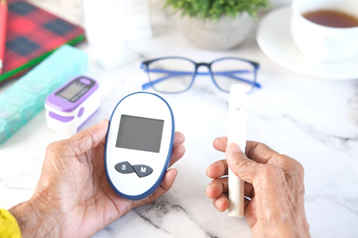
Diabetes affects various parts of the body, including your eyes. Keeping your blood sugar under control is not just good for your health overall, but it also helps protect your eyesight. Over time, high blood sugar can irritate the tiny blood vessels in your eyes and increase your risk of serious eye problems. Knowing how diabetes and eye health are linked can help you identify issues and take measures to protect your sight. How Does Diabetes Affect Eye Health? When blood sugar stays high, it can damage the blood vessels in the retina, which is the part of your eye that senses light and helps you see. Damaged blood vessels might leak fluid, swell, or change how well the retina works. Diabetic eye problems usually develop slowly, so you might not pick up on any changes in your vision until significant damage has occurred. That’s why it’s important for people with diabetes to get regular eye exams, even if their eyesight seems fine. Common Eye Conditions Linked to Diabetes People with diabetes are more likely to have certain eye problems. Finding and treating these issues early can lower the chance of losing vision permanently. 1. Diabetic Retinopathy Diabetic retinopathy is a common eye issue that happens when high blood sugar damages the retinal blood vessels. These damaged vessels may leak fluid, which may cause blurry vision, dark spots, or changes in how you see. In advanced cases, abnormal blood vessel growth can lead to serious problems. If diabetic retinopathy worsens, new abnormal blood vessels can grow, causing serious problems, including vision loss. Getting regular eye exams can help catch these changes early, before they become severe. When fluid is retained in the macula (part of the retina which focuses on sharp central vision), this swelling can make it harder to read, recognize faces, or see fine details clearly. When detected early, treatments can help reduce swelling and protect your eyesight. 3. Cataracts People with diabetes have a higher chance of getting cataracts early. Cataracts occur when the lens in your eye becomes cloudy, which can cause blurry vision, increased sensitivity to glare, and difficulty seeing clearly. While cataracts come with age, having diabetes can make them appear sooner or progress quicker. 4. Glaucoma Diabetes can also raise your risk for glaucoma, which is a group of eye diseases that harm the optic nerve. Glaucoma usually starts without any clear symptoms, but if it is not treated, it can cause permanent vision loss. Routine regular eye exams are important for finding glaucoma early and keeping your eyes healthy Diabetes-related eye problems might not cause symptoms at first. Still, there are some warning signs you should look out for: • Blurry or distorted vision • Difficulty focusing • Dark spots, floaters, or shadows in your sight • Increased sensitivity to glare • Trouble seeing colors clearly • Sudden alterations in vision • Partial or complete loss of vision If you notice sudden vision changes, contact an eye doctor as soon as possible. The Value of Regular Eye Exams for People With Diabetes Getting a full eye exam is one of the best ways to protect your vision if you have diabetes. During the examination, your physician will study your retina, look for symptoms of diabetic eye disease, and track any changes over time. Many eye problems linked to diabetes can be treated more easily if they are found early. Regular checkups help your eye doctor give you advice that fits your own eye health and diabetes care. Protecting Your Eyes When You Have Diabetes Looking after your general health is important for keeping your eyes healthy. Here are some things you can do to protect your vision: • Keeping blood sugar levels under control • Managing blood pressure and cholesterol • Scheduling regular diabetic eye exams • Following your diabetes treatment plan • Eating a balanced diet that promotes eye health • Avoiding smoking, which increases the risk of eye complications Prioritizing Your Vision and Eye Health Diabetes and eye health are closely linked, but you can lower your risk of serious vision problems by taking action early. Getting regular eye exams, making healthy choices, and managing your diabetes all help protect your eyesight. If you have diabetes, seeing your eye doctor regularly can help catch changes early and keep your vision clear for the future. Your eyes are a key part of your health, so make caring for them a priority at every age. 
June 30, 2026
Night vision problems can make everyday activities like driving at dusk, walking in poorly lit places, or adjusting to indoor lighting harder and sometimes unsafe. Trouble seeing in low light, called nyctalopia, is not a disease itself but a sign that something else may be affecting your eyes. Learning what causes night vision problems and when to get help is important for keeping your vision healthy. What Are Night Vision Problems? Night vision problems mean it is hard to see clearly in low light or darkness. Some people notice their eyes take longer to adjust when going from bright to dim places. Others may have trouble with glare from headlights, seeing less contrast, or things just looking dimmer at night. Mild changes in night vision can happen as you get older, but if your symptoms keep getting worse or do not go away, you should pay attention to them. Common Causes of Night Vision Difficulties There are several potential causes of night vision problems. Night vision problems can have many causes, from getting older to certain eye conditions, such as lens problems, leading to blurred vision and increased sensitivity to glare. They are one of the most common causes of poor night vision, especially in older adults. 1. Cataracts Cataracts cause clouding of the eye’s natural lens, leading to blurred vision and increased sensitivity to glare. They are one of the most common causes of poor night vision, especially in older adults. 2. Vitamin A Deficiency Vitamin A is important for keeping your retina healthy. If you do not get enough vitamin A, your eyes may have trouble adjusting to darkness, which can lead to night blindness. 3. Glaucoma Some types of glaucoma can affect your side vision and make it harder to see differences between light and dark. As the optic nerve gets damaged, seeing in low light can become more difficult. 4. Retinitis Pigmentosa This inherited eye condition slowly affects your ability to see at night and to the sides. Early signs often include trouble seeing in the dark. 5. Diabetes-Related Eye Disease Diabetic retinopathy can harm the blood vessels in your retina, which may cause blurry vision and make it harder to see at night. 6. Aging and Pupil Changes As people get older, their pupils do not react to light changes as quickly, and the retina becomes less sensitive. This naturally makes night vision worse over time. Symptoms to Watch For Night vision problems often develop slowly. Some common signs are: Difficulty seeing in low light or darkness Trouble driving at night due to glare from headlights Longer adjustment time when moving between light and dark environments Reduced contrast or clarity in dim settings Frequent squinting or eye strain in low light If these symptoms start to affect your daily life, it is a good idea to get a full eye check-up. When to See an Eye Doctor You should see an eye doctor if you notice new night vision problems, if they are getting worse, or if you have other changes in your vision. The doctor can run tests to find out what is causing the problem and suggest the right treatment. A full eye exam might include checking your retina, testing your field of vision, and taking images to look at your eye health. Finding problems early is very important for conditions like glaucoma, diabetic eye disease, and retinal disorders, because early treatment can help protect your vision. Protecting Your Night Vision Not all causes of night vision loss can be prevented, but taking care of your eyes can lower your risk and help you see better. Some helpful steps are: Scheduling regular eye exams Handling chronic health conditions like diabetes Eating a diet rich in vitamin A and antioxidants Wearing proper corrective lenses if prescribed Avoiding driving with untreated vision changes Prioritizing Your Eye Health Night vision problems can be an early sign of eye disease. Since many eye problems develop slowly, having regular eye exams is one of the best ways to catch changes early and keep your vision healthy for the long term. If you have trouble seeing at night or notice any changes in your vision, making an appointment for an eye exam can help keep your eyes healthy and your vision clear in all types of light.
Understanding Eye Pressure: What It Means for Glaucoma Risk
June 1, 2026
Understanding eye pressure, or intraocular pressure (IOP), is important for protecting your vision. IOP considerably affects the development and progression...