When Is a XEN Gel Stent Right for Me?

Baptist Eye Surgeons • July 31, 2020

Glaucoma is a silent condition that can slowly steal your sight without treatment. While treatments such as eye drops, medications, and surgeries exist, they don’t always work for everyone. This can lead people to seek alternative methods to help preserve their vision.

Enter the XEN Gel Stent. This tiny tube allows the liquid in your eye to flow properly, which in turn reduces high eye pressure. It’s for those who haven’t had luck with other forms of glaucoma treatment. Most people may qualify for the procedure pending their doctor’s approval. Talk to your doctor about side effects and other risks.

To better understand the XEN Gel Stent and if it’s right for you, we’ll look at:

  • What is a XEN Gel Stent?
  • Is a XEN Gel Stent right for me?
  • Understanding glaucoma

Glaucoma has the capacity to greatly affect your life in negative ways. Unfortunately, the standard treatments may not produce any positive for some sufferers. If this sounds like you then it may be time to talk to your doctor about getting a XEN Gel Stent.

What is a XEN Gel Stent?

The XEN Gel Stent is a minimally invasive surgical implant designed to reduce intraocular pressure (IOP) and decrease your need for topical medication. It was approved by the Food and Drug Administration (FDA) in 2016 to aid in avoiding the risks that accompany traditional drainage surgery for glaucoma. 

Those living with glaucoma can often find it difficult to control. Doctors often prescribe eye drops to help reduce pressure in the eye, but they’re not effective for everyone. The XEN Gel Stent can help solve this problem by creating a small channel inside the eye that allows for fluid drainage. 

The XEN Gel Stent is a soft tube that’s shorter than a dime and more narrow than an eyelash. Your doctor will place it underneath the transparent membrane covering the sclera (the white part of the eye). It’s designed to remain permanently in your eye, helping to ensure healthy eye pressure for many years.

Is a XEN Gel Stent right for me?

The XEN Gel Stent is ideal for glaucoma-sufferers who haven’t benefited from other forms of treatment, such as eye drops and surgery. This is known as refractory glaucoma and can be frustrating for those who don’t wish to lose any more of their vision.

It’s at this point that you may want to consider getting a XEN Gel Stent. This can help to reduce the pressure in your eye and protect the vision that you still have. It’s perfect for those who have what’s known as open-angle glaucoma , which affects 90% of glaucoma patients.

Open-angle glaucoma is a condition where the drainage channels within the eye have been obstructed. The blockage of the drainage channel causes the liquid in your eye to backup, resulting in the high eye pressure associated with glaucoma. This can cause damage to your optic nerve and result in vision loss if left untreated.

Keep in mind that not all glaucoma-sufferers will qualify for a XEN Gel Stent, such as those with angle-closure glaucoma . This is a condition where the drainage angle of the eye has not been opened. Having a previously implanted drainage device can also disqualify you, along with other factors.

Results may vary depending on the individual. Talk to your doctor at Baptist Eye Surgeons about what you can expect from the XEN Gel Stent as well as risk factors involved with the procedure.

XEN Gel Stent success rate

One study has found that receiving a XEN Gel Stent implant is effective in controlling high eye pressure for glaucoma patients. On the other hand, they do have the potential for high reoperation and infection rates. Successful surgeries that don’t require revisions can help lower your eye pressure as well as reduce the need for medications.

While those who don’t require revision surgery have great outcomes, those who do may not find the operation worth it. While the first year following surgery produces a 64% success rate, each revision surgery results in a drop in efficacy with subsequent surgery.

XEN Gel Stent Procedure Length and Recovery Time

The XEN Gel Stents fall under the category of minimally invasive glaucoma surgery , or MIGS for short. These procedures are usually faster than trabeculectomy and patients have reported faster recovery times, as well. 

Is the XEN Gel Stent covered by Medicare?

According to Medicare.org , the program does cover XEN Gel Stent procedures with or without cataract surgery under Part B. Your health provider and the facility where the procedure takes place must be approved by Medicare, as well. It’s included in Part A if you receive it while in the hospital or are being cared for in “a skilled nursing facility.”

Medicare doesn’t usually provide a lot of coverage for vision.  The effects of high eye pressure make it necessary to be covered under both parts of Medicare.

Understanding Glaucoma

Glaucoma is an eye disease that damages your optic nerve as time progresses. This can be a serious problem since the optic nerve is what connects the eyeball to the brain. As light enters the cornea, the retina sends signals through the optic nerve to the brain and become the images we see. If left untreated, glaucoma can result in permanent vision loss.

It’s estimated that around 3 million people have glaucoma, but around half of them don’t know they have it. People 40 years old and up are at the highest risk for the condition, and those with a family history of glaucoma or high eye pressure are also at an increased risk.

Final Thoughts

The XEN Gel Stent is a minimally invasive implant designed to alleviate glaucoma symptoms by reducing eye pressure. It’s ideal for those with open-angle glaucoma that haven’t been helped by other treatments, though not all may qualify. Talk to your surgeon to see if the XEN Gel Stent is the right option for you. To learn more about the underlying causes and effects of glaucoma and the XEN Gel Stent, download our free ebook !

Baptist Eye Surgeons is an ophthalmological practice in Knoxville, TN, and Morristown, TN. Visit our website to meet our doctors and learn more about our specialties, or give us a call at 865-579-3920 for more information or to schedule an appointment .
August 28, 2026
Healthy vision is essential for a child's development, learning, and daily activities. From recognizing faces in infancy to reading, participating in sports, and navigating school, children depend on their eyesight to interpret and relate to their environment. Knowing typical vision milestones helps parents spot possible issues and seek appropriate care when needed. How Does Vision Develop in Children? Vision develops rapidly during the first years of life. Newborns perceive light, shapes, and nearby objects, although their vision remains immature. As children mature, their capacity to focus, track moving objects, recognize details, and coordinate both eyes improves progressively. Due to the gradual nature of visual development, regular eye examinations are essential. Certain childhood vision problems may not be readily apparent, especially when one eye is stronger than the other. Although each child develops at an individual pace, several general vision milestones may guide parental observation. 1. Infants: Birth to 12 Months Within the first year, infants typically develop the ability to focus on faces and objects, visually track moving items, and reach for objects they observe. Caregivers may also observe infants responding to known faces and visually exploring their environment. If an infant does not track objects, exhibits eyes that frequently cross or wander, or fails to respond visually to people or objects, these concerns should be discussed with a pediatrician or eye care professional. 2. Toddlers: Ages 1 to 3 As children become more active, their visual skills continue to develop. Toddlers rely on vision to walk, climb, manipulate small objects, and interact with toys. Over time, they typically improve in identifying familiar people and objects and in coordinating eye and hand movements. Frequent eye rubbing, squinting, sitting close to screens, or difficulty seeing objects could indicate the need for an eye exam. 3. Preschool and School-Age Children By preschool and early elementary school, children utilize vision for detailed activities including coloring, drawing, letter recognition, reading, and participating in games. Effective eye coordination and focusing abilities support learning and classroom performance. Children may not always realize their vision differs from other children’s, so parents should watch for signs such as headaches, avoiding reading, losing their place while reading, holding books unusually close, or struggling to see the board. Signs of Possible Vision Problems Caregivers should monitor for changes in a child's vision or behavior. Potential warning signs include: Frequent squinting or eye rubbing Eyes that cross, wander, or do not move together Complaints of blurry or double vision Frequent headaches Difficulty reading or concentrating Sitting very close to a television or screen Tilting or turning the head to see Covering or closing one eye Difficulty recognizing objects or seeing at a distance Avoiding activities that require close or distance vision If you notice these signs, speak with a pediatrician or eye care professional. The Importance of Children’s Eye Exams Regular eye examinations can identify vision problems before they interfere with learning and development. Eye care professionals assess visual acuity, binocular coordination, and common childhood eye conditions. Early detection matters because some vision problems are easier to address when identified in childhood. Parents must follow their child’s healthcare provider's recommendations for vision screenings and comprehensive eye exams. Helping Protect Your Child’s Vision Caregivers can promote healthy vision by encouraging beneficial habits. These include spending time outdoors, taking regular screen breaks, using appropriate protective eyewear during activities, maintaining a balanced diet, and attending recommended pediatric and eye care appointments. Supporting Healthy Vision at Every Age Knowing children's vision milestones helps caregivers distinguish typical development and spot possible issues early. Throughout infancy and the school years, monitoring how a child sees, focuses, and interacts with their environment is vital for supporting healthy development.  If you notice concerns about a child's eyesight or alterations in vision, consult a healthcare provider or eye care professional. Early attention to vision supports learning, development, confidence, and overall quality of life.
July 29, 2026
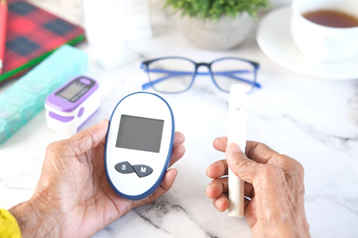
Diabetes affects various parts of the body, including your eyes. Keeping your blood sugar under control is not just good for your health overall, but it also helps protect your eyesight. Over time, high blood sugar can irritate the tiny blood vessels in your eyes and increase your risk of serious eye problems. Knowing how diabetes and eye health are linked can help you identify issues and take measures to protect your sight. How Does Diabetes Affect Eye Health? When blood sugar stays high, it can damage the blood vessels in the retina, which is the part of your eye that senses light and helps you see. Damaged blood vessels might leak fluid, swell, or change how well the retina works. Diabetic eye problems usually develop slowly, so you might not pick up on any changes in your vision until significant damage has occurred. That’s why it’s important for people with diabetes to get regular eye exams, even if their eyesight seems fine. Common Eye Conditions Linked to Diabetes People with diabetes are more likely to have certain eye problems. Finding and treating these issues early can lower the chance of losing vision permanently. 1. Diabetic Retinopathy Diabetic retinopathy is a common eye issue that happens when high blood sugar damages the retinal blood vessels. These damaged vessels may leak fluid, which may cause blurry vision, dark spots, or changes in how you see. In advanced cases, abnormal blood vessel growth can lead to serious problems. If diabetic retinopathy worsens, new abnormal blood vessels can grow, causing serious problems, including vision loss. Getting regular eye exams can help catch these changes early, before they become severe. When fluid is retained in the macula (part of the retina which focuses on sharp central vision), this swelling can make it harder to read, recognize faces, or see fine details clearly. When detected early, treatments can help reduce swelling and protect your eyesight. 3. Cataracts People with diabetes have a higher chance of getting cataracts early. Cataracts occur when the lens in your eye becomes cloudy, which can cause blurry vision, increased sensitivity to glare, and difficulty seeing clearly. While cataracts come with age, having diabetes can make them appear sooner or progress quicker. 4. Glaucoma Diabetes can also raise your risk for glaucoma, which is a group of eye diseases that harm the optic nerve. Glaucoma usually starts without any clear symptoms, but if it is not treated, it can cause permanent vision loss. Routine regular eye exams are important for finding glaucoma early and keeping your eyes healthy Diabetes-related eye problems might not cause symptoms at first. Still, there are some warning signs you should look out for: • Blurry or distorted vision • Difficulty focusing • Dark spots, floaters, or shadows in your sight • Increased sensitivity to glare • Trouble seeing colors clearly • Sudden alterations in vision • Partial or complete loss of vision If you notice sudden vision changes, contact an eye doctor as soon as possible. The Value of Regular Eye Exams for People With Diabetes Getting a full eye exam is one of the best ways to protect your vision if you have diabetes. During the examination, your physician will study your retina, look for symptoms of diabetic eye disease, and track any changes over time. Many eye problems linked to diabetes can be treated more easily if they are found early. Regular checkups help your eye doctor give you advice that fits your own eye health and diabetes care. Protecting Your Eyes When You Have Diabetes Looking after your general health is important for keeping your eyes healthy. Here are some things you can do to protect your vision: • Keeping blood sugar levels under control • Managing blood pressure and cholesterol • Scheduling regular diabetic eye exams • Following your diabetes treatment plan • Eating a balanced diet that promotes eye health • Avoiding smoking, which increases the risk of eye complications Prioritizing Your Vision and Eye Health Diabetes and eye health are closely linked, but you can lower your risk of serious vision problems by taking action early. Getting regular eye exams, making healthy choices, and managing your diabetes all help protect your eyesight. If you have diabetes, seeing your eye doctor regularly can help catch changes early and keep your vision clear for the future. Your eyes are a key part of your health, so make caring for them a priority at every age. 
June 30, 2026
Night vision problems can make everyday activities like driving at dusk, walking in poorly lit places, or adjusting to indoor lighting harder and sometimes unsafe. Trouble seeing in low light, called nyctalopia, is not a disease itself but a sign that something else may be affecting your eyes. Learning what causes night vision problems and when to get help is important for keeping your vision healthy. What Are Night Vision Problems? Night vision problems mean it is hard to see clearly in low light or darkness. Some people notice their eyes take longer to adjust when going from bright to dim places. Others may have trouble with glare from headlights, seeing less contrast, or things just looking dimmer at night. Mild changes in night vision can happen as you get older, but if your symptoms keep getting worse or do not go away, you should pay attention to them. Common Causes of Night Vision Difficulties There are several potential causes of night vision problems. Night vision problems can have many causes, from getting older to certain eye conditions, such as lens problems, leading to blurred vision and increased sensitivity to glare. They are one of the most common causes of poor night vision, especially in older adults. 1. Cataracts Cataracts cause clouding of the eye’s natural lens, leading to blurred vision and increased sensitivity to glare. They are one of the most common causes of poor night vision, especially in older adults. 2. Vitamin A Deficiency Vitamin A is important for keeping your retina healthy. If you do not get enough vitamin A, your eyes may have trouble adjusting to darkness, which can lead to night blindness. 3. Glaucoma Some types of glaucoma can affect your side vision and make it harder to see differences between light and dark. As the optic nerve gets damaged, seeing in low light can become more difficult. 4. Retinitis Pigmentosa This inherited eye condition slowly affects your ability to see at night and to the sides. Early signs often include trouble seeing in the dark. 5. Diabetes-Related Eye Disease Diabetic retinopathy can harm the blood vessels in your retina, which may cause blurry vision and make it harder to see at night. 6. Aging and Pupil Changes As people get older, their pupils do not react to light changes as quickly, and the retina becomes less sensitive. This naturally makes night vision worse over time. Symptoms to Watch For Night vision problems often develop slowly. Some common signs are: Difficulty seeing in low light or darkness Trouble driving at night due to glare from headlights Longer adjustment time when moving between light and dark environments Reduced contrast or clarity in dim settings Frequent squinting or eye strain in low light If these symptoms start to affect your daily life, it is a good idea to get a full eye check-up. When to See an Eye Doctor You should see an eye doctor if you notice new night vision problems, if they are getting worse, or if you have other changes in your vision. The doctor can run tests to find out what is causing the problem and suggest the right treatment. A full eye exam might include checking your retina, testing your field of vision, and taking images to look at your eye health. Finding problems early is very important for conditions like glaucoma, diabetic eye disease, and retinal disorders, because early treatment can help protect your vision. Protecting Your Night Vision Not all causes of night vision loss can be prevented, but taking care of your eyes can lower your risk and help you see better. Some helpful steps are: Scheduling regular eye exams Handling chronic health conditions like diabetes Eating a diet rich in vitamin A and antioxidants Wearing proper corrective lenses if prescribed Avoiding driving with untreated vision changes Prioritizing Your Eye Health Night vision problems can be an early sign of eye disease. Since many eye problems develop slowly, having regular eye exams is one of the best ways to catch changes early and keep your vision healthy for the long term. If you have trouble seeing at night or notice any changes in your vision, making an appointment for an eye exam can help keep your eyes healthy and your vision clear in all types of light.