How LASIK Helped One Man See Clearly, In More Ways Than He Imagined
Baptist Eye Surgeons • September 26, 2019

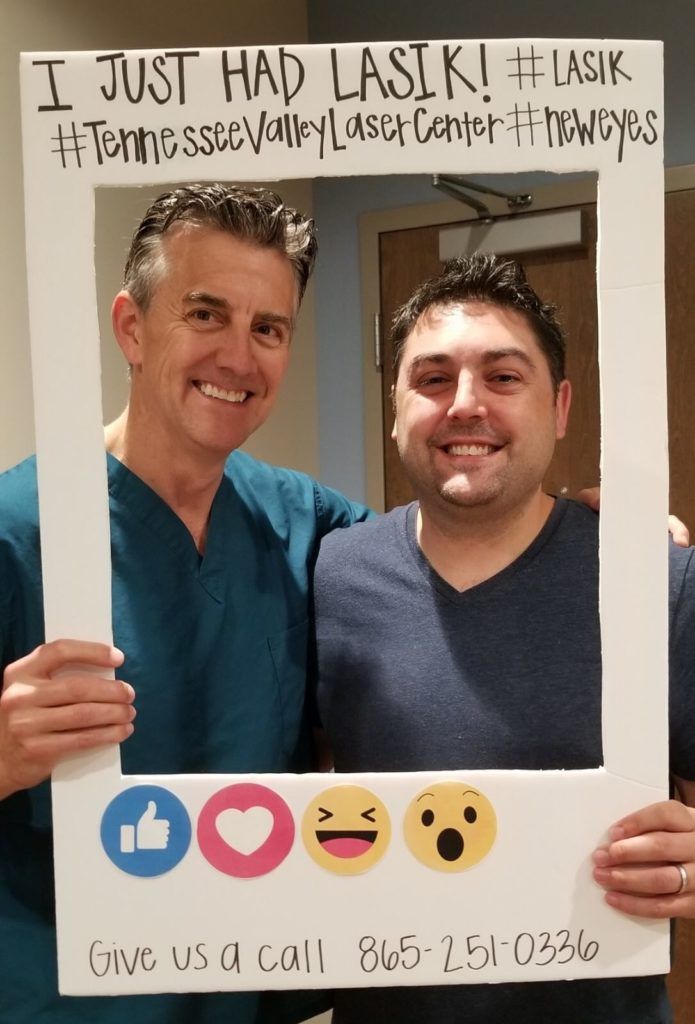
Two men holding a sign that says i just had lasikHave you ever wondered what it would be like to no longer need to wear glasses or contacts after you’ve relied on them for years? What if you could see road signs sharply in the distance while driving, or if your children’s faces were no longer slightly out of focus when you didn’t have your glasses on?

Gavin, a business owner and father of two young children, had been envisioning such scenarios after wearing glasses or contacts for 24 years since he was in the 6th grade.

“My eyesight has been terrible since I was a kid,” he said. “If I didn’t have my contacts or glasses I couldn’t see past 15-feet, so I wore glasses all through school.” When Gavin was in his late teens, his eye doctor told him he’d be a good candidate for LASIK once the development of his eyes stabilized in his mid-to-late 20s.

“He knew I’d be a good candidate in part because I’m a bad patient,” Gavin laughed, explaining, “I didn’t take great care of my eyes then, and until LASIK I wore contacts until I couldn’t see out of them. I wore monthly contacts, which are the longest you can buy, and I didn’t take them out when I should have.”

The Tipping Point To LASIK

Now 35, Gavin says he thought a lot about LASIK over the years since his eye doctor mentioned it when he was in his teens. In hindsight, he realized that two factors kept him from rushing towards LASIK sooner:

The tipping point that led Gavin to schedule LASIK surgery earlier this year was two-fold, and addressed both his fears about the outcome and concerns about the cost.

Side-Effects

First, Gavin knew several people who had had LASIK surgery with Dr. Darin Smith at Baptist Eye Surgeons, and they recommended that Gavin talk with him about his concerns.

Dr. Smith told him that while there’s a potential for side effects from any procedure, any side effects from LASIK wouldn’t be any different from what he already experienced from wearing contacts.

Gavin already experienced seeing halos to some extent from bright lights while driving at night, and occasionally had dry eyes from wearing contacts.

“I hadn’t thought of comparing what I might experience after LASIK to what I already experienced and knew how to deal with,” Gavin said. “To hear that was really helpful, and relieving in a way.”

Cost

Second, regarding the cost of the LASIK procedure, Gavin had started to compare some numbers. East Tennessee’s heavy, seasonal allergens and pollen were causing Gavin’s contacts to get grimey, quickly and easily. It became a constant chore to try to keep them clean, so he started wearing his glasses most of the time in the spring and fall.

Gavin knew wearing his old glasses wasn’t an ideal solution, and he also knew that he was due for an updated lens prescription—regardless of whether he wore glasses or contacts.

He said, “I knew I needed to buy new contacts and glasses, which would be probably $1,000. If I bought glasses or contacts and went to the eye doctor for updated prescriptions and check-ups, it would cost about $5,000 over the course of 3-6 years. The pay-back of LASIK became evident.”

The Procedure—Quick & Painless

Gavin’s LASIK appointment was scheduled with Dr. Smith at 7:15 on a Friday morning. “I got there at 7:10 and was out at 8:00,” he said, adding, “The procedure itself took about 10 minutes. Waiting for valium to take effect took longer than the actual procedure.”

Gavin was also surprised by the lack of discomfort or pain, saying, “Honestly, getting a cavity removed and filled is so much more painful than LASIK. They put numbing drops in your eyes, so you don’t feel anything. I could only feel a slight pressure, but nothing that hurt at all.”

As with any medical procedure, Gavin acknowledged there’s a fear of the unknown. “I joked with Dr. Smith that I don’t want to go blind, and I guess wondering if something could go wrong was a concern in the back of mind as much as getting on an airplane might be. I’m not the type of person who worries much about if things could go wrong, but Dr. Smith assured me it’s normal to think about it.”

Dr. Smith explained how the LASIK machine is state-of-the-art and makes a surgeon’s job much easier because of how accurately it measures the eye and the laser movements. He told Gavin that he would have a suction cup on his eye to help hold it still, but even if he moved his eye the machine automatically stops when can’t track the cornea. As a result, his eyelid or rest of eye couldn’t be “accidentally cut”.

Gavin only heard a slight tapping sound from the LASIK machine during the procedure, and said that the overall experience was calm and stress free.

The Results

After surgery Gavin was instructed to wear dark glasses for a period of time and he said that the biggest downside was some temporary redness in his left eye for a few weeks. “It didn’t hurt,” he said, “and other people I know had no redness after LASIK. It might just be something to take into account if you have family photos or a big event scheduled soon after surgery.

Two months post LASIK, Gavin’s vision is 20/15 in his left eye, and 20/20 in his right, nearly perfect. Aside from his greatly improved vision, the results have been a relief in ways that he hadn’t previously imagined.

“After LASIK I haven’t felt the need to put eye drops in every hour or even every day for dry eyes, like I used to. I also really like waking up in the middle of the night and being able to see without fumbling for my glasses.”

One of the biggest benefits, however, is the fact that—after 24 years of wearing glasses or contacts—Gavin doesn’t have to think about dry eyes or blurry vision anymore.

“I didn’t realize how ingrained it had become for me to be careful about not losing a contact in the shower, or in a pool, or to be careful not to rub my eyes,” he said.

“For the past 24 years, I’ve had to protect my eyes for fear of harming my vision or damaging my glasses or contacts. Now, if I want to go out on a boat to go tubing I wouldn’t have to worry about losing a contact, or about not being able to see. That’s a huge change. If I go mountain biking and get sweat in my eyes, I can rub my eyes.”

Gavin describes such realizations as a series of small, unexpected wins. “I wasn’t always conscious of how these little things held me back when I wore glasses or contacts,” he said, “but now the relief is real.”

If you’re curious about how LASIK might affect your vision and your lifestyle, an ophthalmologist can help you assess whether or not you’re a good LASIK eye surgery candidate and what you might expect from the outcomes.

Baptist Eye Surgeons is an ophthalmological practice in Knoxville, TN, and Morristown, TN, that specializes in LASIK eye surgeries as well as treatment of eye conditions like glaucoma, macular degeneration, and cataracts. To meet our doctors and learn more about our specialities, visit our website or give us a call at 865-579-3920 for more information, or conveniently schedule an appointment online.
September 22, 2026
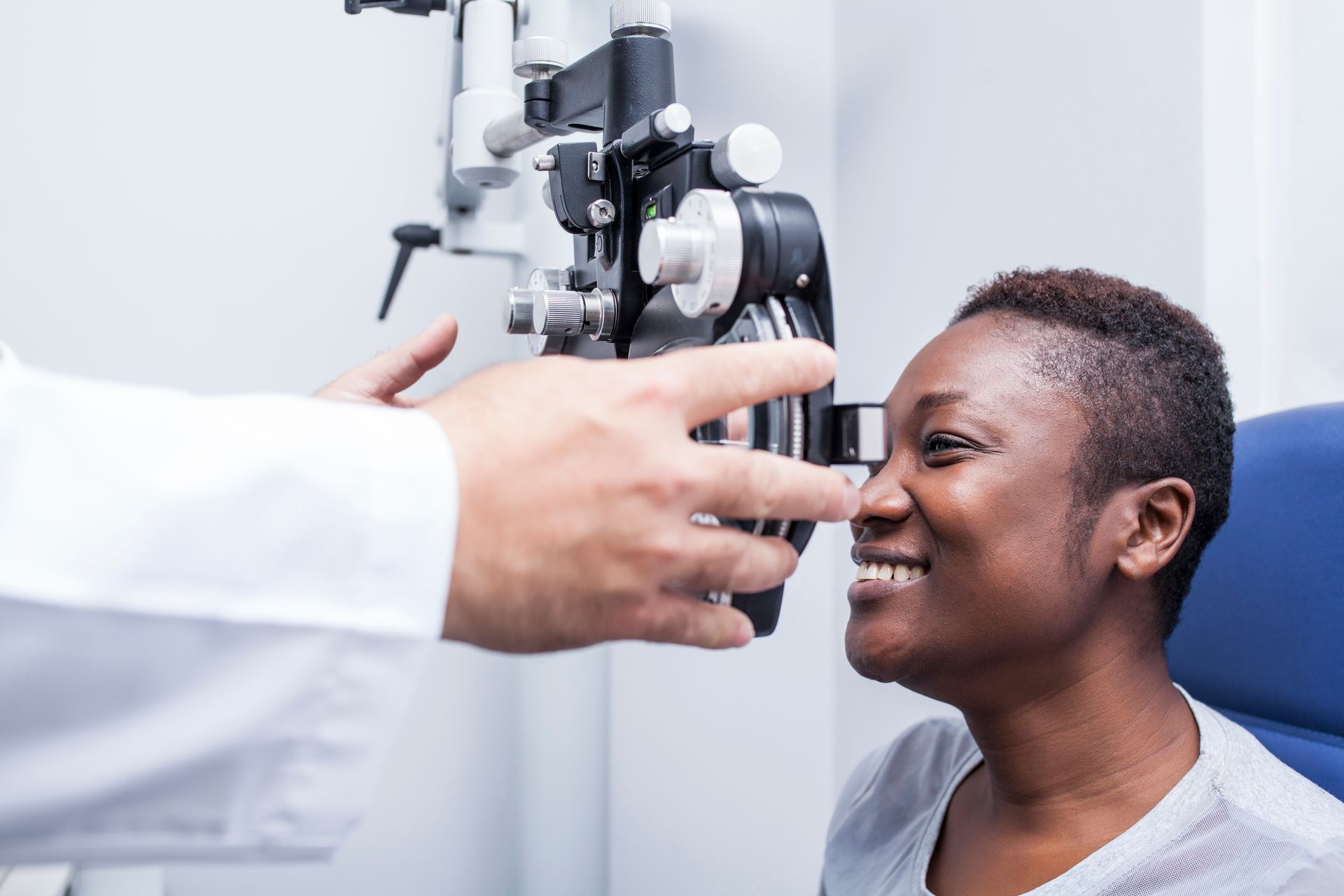
A thorough eye exam is an important part of keeping your vision healthy and protecting your eyes. If you are arranging for your first eye examination as an adult, if you are taking a child in for an evaluation, or if you have noticed any changes in your vision, knowing what to expect can help make the experience more comfortable. The eye exams carried out at Baptist Eye Surgeons not only check your vision but also look at your general eye health and spot any possible problems that might call for further investigation. What is the Importance of Eye Examinations? An eye examination does not merely enable one to find out if glasses or contact lenses are required. It lets an eye care professional assess how well your eyes are working and spot the signs of common eye conditions.  Some eye conditions can progress slowly without symptoms. Regular eye checkups can help detect changes earlier and make sure you receive appropriate treatment when needed. Step by step: The Process Involved in Having an Eye Examination Even though the different appointments may vary according to your particular needs, a typical full eye examination will involve a number of significant steps. 1. An Examination of Your Medical & Eye History Your appointment may start with questions about your vision, medical history, medications, any previous eye conditions, and your family history of eye disease. Be sure to report any changes in your vision, eye discomfort, headaches, or other concerns you have noticed. Your eye care professional may also ask about the glasses or contact lenses you currently use and how well they work for you. 2. Checking Your Vision A well-known part of an eye examination is the visual acuity test. You might be asked to read some letters or symbols from a chart at a set distance. This lets doctors assess how clearly you can see and decide whether corrective lenses would help. Further testing could assess your ability to see up close and the way well your eyes work together. 3. The Measurement of Eye Health & Function Your eye care professional might carry out a number of tests in order to assess the health and functioning of your eyes. The tests involved may vary depending on your age, symptoms, and risk factors and could include measuring eye pressure, examining eye movement and coordination, and looking at the structures at the front and back of the eye. They can help spot possible signs of eye disorders. 4. Discussing Your Results Your ophthalmologist will review the results with you after the examination. If your vision has changed, they may suggest new prescription lenses. If they spot an eye condition or another issue, they could recommend further testing, further monitoring, or treatment. It is also a good chance to ask questions regarding your eye health and the recommended follow-up care. What Should You do to Get Ready for your First Eye Examination? Having an eye examination usually involves nothing complicated. It is a good idea to take with you your present glasses or contact lens details and to be ready to give a list of any medications as well as any applicable medical or family history. Additionally, it might be helpful to remember any vision changes or symptoms you have had. Dilation may occur during the examination if certain tests are performed. After dilation has been advised, your vision might be temporarily blurred or more sensitive to light. Supporting Healthy Vision The initial eye examination is a valuable chance to determine a baseline for your eye health and understand your specific vision needs. Regular eye exams help monitor changes over time and support early detection of possible eye conditions. Plan a visit with an eye care professional if you have discovered any changes in your vision or if you're due for a check-up.
August 28, 2026
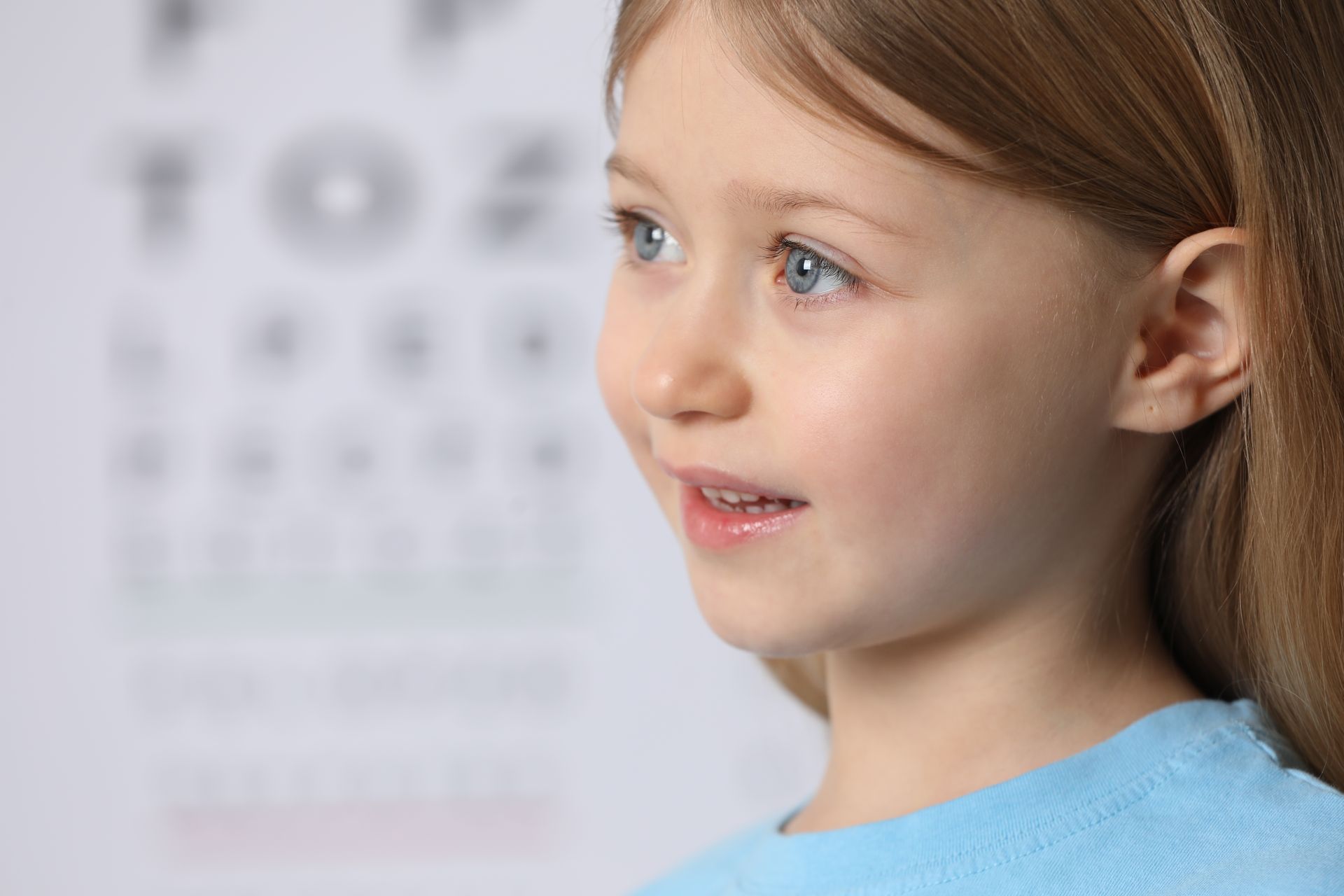
Healthy vision is essential for a child's development, learning, and daily activities. From recognizing faces in infancy to reading, participating in sports, and navigating school, children depend on their eyesight to interpret and relate to their environment. Knowing typical vision milestones helps parents spot possible issues and seek appropriate care when needed. How Does Vision Develop in Children? Vision develops rapidly during the first years of life. Newborns perceive light, shapes, and nearby objects, although their vision remains immature. As children mature, their capacity to focus, track moving objects, recognize details, and coordinate both eyes improves progressively. Due to the gradual nature of visual development, regular eye examinations are essential. Certain childhood vision problems may not be readily apparent, especially when one eye is stronger than the other. Although each child develops at an individual pace, several general vision milestones may guide parental observation. 1. Infants: Birth to 12 Months Within the first year, infants typically develop the ability to focus on faces and objects, visually track moving items, and reach for objects they observe. Caregivers may also observe infants responding to known faces and visually exploring their environment. If an infant does not track objects, exhibits eyes that frequently cross or wander, or fails to respond visually to people or objects, these concerns should be discussed with a pediatrician or eye care professional. 2. Toddlers: Ages 1 to 3 As children become more active, their visual skills continue to develop. Toddlers rely on vision to walk, climb, manipulate small objects, and interact with toys. Over time, they typically improve in identifying familiar people and objects and in coordinating eye and hand movements. Frequent eye rubbing, squinting, sitting close to screens, or difficulty seeing objects could indicate the need for an eye exam. 3. Preschool and School-Age Children By preschool and early elementary school, children utilize vision for detailed activities including coloring, drawing, letter recognition, reading, and participating in games. Effective eye coordination and focusing abilities support learning and classroom performance. Children may not always realize their vision differs from other children’s, so parents should watch for signs such as headaches, avoiding reading, losing their place while reading, holding books unusually close, or struggling to see the board. Signs of Possible Vision Problems Caregivers should monitor for changes in a child's vision or behavior. Potential warning signs include: Frequent squinting or eye rubbing Eyes that cross, wander, or do not move together Complaints of blurry or double vision Frequent headaches Difficulty reading or concentrating Sitting very close to a television or screen Tilting or turning the head to see Covering or closing one eye Difficulty recognizing objects or seeing at a distance Avoiding activities that require close or distance vision If you notice these signs, speak with a pediatrician or eye care professional. The Importance of Children’s Eye Exams Regular eye examinations can identify vision problems before they interfere with learning and development. Eye care professionals assess visual acuity, binocular coordination, and common childhood eye conditions. Early detection matters because some vision problems are easier to address when identified in childhood. Parents must follow their child’s healthcare provider's recommendations for vision screenings and comprehensive eye exams. Helping Protect Your Child’s Vision Caregivers can promote healthy vision by encouraging beneficial habits. These include spending time outdoors, taking regular screen breaks, using appropriate protective eyewear during activities, maintaining a balanced diet, and attending recommended pediatric and eye care appointments. Supporting Healthy Vision at Every Age Knowing children's vision milestones helps caregivers distinguish typical development and spot possible issues early. Throughout infancy and the school years, monitoring how a child sees, focuses, and interacts with their environment is vital for supporting healthy development.  If you notice concerns about a child's eyesight or alterations in vision, consult a healthcare provider or eye care professional. Early attention to vision supports learning, development, confidence, and overall quality of life.
July 29, 2026
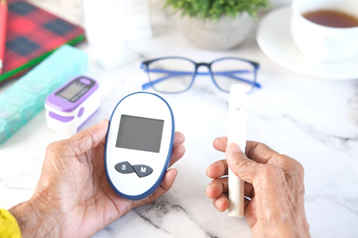
Diabetes affects various parts of the body, including your eyes. Keeping your blood sugar under control is not just good for your health overall, but it also helps protect your eyesight. Over time, high blood sugar can irritate the tiny blood vessels in your eyes and increase your risk of serious eye problems. Knowing how diabetes and eye health are linked can help you identify issues and take measures to protect your sight. How Does Diabetes Affect Eye Health? When blood sugar stays high, it can damage the blood vessels in the retina, which is the part of your eye that senses light and helps you see. Damaged blood vessels might leak fluid, swell, or change how well the retina works. Diabetic eye problems usually develop slowly, so you might not pick up on any changes in your vision until significant damage has occurred. That’s why it’s important for people with diabetes to get regular eye exams, even if their eyesight seems fine. Common Eye Conditions Linked to Diabetes People with diabetes are more likely to have certain eye problems. Finding and treating these issues early can lower the chance of losing vision permanently. 1. Diabetic Retinopathy Diabetic retinopathy is a common eye issue that happens when high blood sugar damages the retinal blood vessels. These damaged vessels may leak fluid, which may cause blurry vision, dark spots, or changes in how you see. In advanced cases, abnormal blood vessel growth can lead to serious problems. If diabetic retinopathy worsens, new abnormal blood vessels can grow, causing serious problems, including vision loss. Getting regular eye exams can help catch these changes early, before they become severe. When fluid is retained in the macula (part of the retina which focuses on sharp central vision), this swelling can make it harder to read, recognize faces, or see fine details clearly. When detected early, treatments can help reduce swelling and protect your eyesight. 3. Cataracts People with diabetes have a higher chance of getting cataracts early. Cataracts occur when the lens in your eye becomes cloudy, which can cause blurry vision, increased sensitivity to glare, and difficulty seeing clearly. While cataracts come with age, having diabetes can make them appear sooner or progress quicker. 4. Glaucoma Diabetes can also raise your risk for glaucoma, which is a group of eye diseases that harm the optic nerve. Glaucoma usually starts without any clear symptoms, but if it is not treated, it can cause permanent vision loss. Routine regular eye exams are important for finding glaucoma early and keeping your eyes healthy Diabetes-related eye problems might not cause symptoms at first. Still, there are some warning signs you should look out for: • Blurry or distorted vision • Difficulty focusing • Dark spots, floaters, or shadows in your sight • Increased sensitivity to glare • Trouble seeing colors clearly • Sudden alterations in vision • Partial or complete loss of vision If you notice sudden vision changes, contact an eye doctor as soon as possible. The Value of Regular Eye Exams for People With Diabetes Getting a full eye exam is one of the best ways to protect your vision if you have diabetes. During the examination, your physician will study your retina, look for symptoms of diabetic eye disease, and track any changes over time. Many eye problems linked to diabetes can be treated more easily if they are found early. Regular checkups help your eye doctor give you advice that fits your own eye health and diabetes care. Protecting Your Eyes When You Have Diabetes Looking after your general health is important for keeping your eyes healthy. Here are some things you can do to protect your vision: • Keeping blood sugar levels under control • Managing blood pressure and cholesterol • Scheduling regular diabetic eye exams • Following your diabetes treatment plan • Eating a balanced diet that promotes eye health • Avoiding smoking, which increases the risk of eye complications Prioritizing Your Vision and Eye Health Diabetes and eye health are closely linked, but you can lower your risk of serious vision problems by taking action early. Getting regular eye exams, making healthy choices, and managing your diabetes all help protect your eyesight. If you have diabetes, seeing your eye doctor regularly can help catch changes early and keep your vision clear for the future. Your eyes are a key part of your health, so make caring for them a priority at every age.