Where To Find Your New Ophthalmologist in East Tennessee
Finding an ophthalmologist is a pivotal step toward preserving your vision as well as your overall health. At Baptist Eye Surgeons, we understand the need for high-quality eye care in East Tennessee. That’s why we have offices in Knoxville and the surrounding areas to serve you, no matter where you live.
Find your new ophthalmologist in East Tennessee in:
- West Knoxville
- Downtown Knoxville
- Morristown
- Sevierville
West Knoxville
Located in West Knoxville inside Tennessee Valley Eye Center, our ophthalmological office boasts state-of-the-art equipment and a welcoming atmosphere, providing expert eye care with plenty of hospitality. We also perform a lot of our Knoxville eye procedures and surgeries at this location’s surgery center.
Hours of Operation:
- Monday – Friday, 8:00 am – 5:00 pm
Address:
- 140 Capital Dr, Suite 110 Knoxville, TN 37922
Contact Information:
- Phone: (865) 579-3920
- Fax: (865) 579-3963
My husband and I have been patients since moving to Knoxville in 2006. We have received such excellent care from several different physicians in the group for various problems. Each one has been so caring and answered all our concerns, spending as much time with us as we needed. The staff is always professional, friendly and kind. I would give them more than 5 stars, if I could. – Mary L.
REQUEST AN APPOINTMENT
Downtown Knoxville
Located just South of Downtown Knoxville, our ophthalmologist’s office combines modern care with Knoxville charm, offering top-tier eye care services just around the corner from a vibrant cityscape.
Hours of operation:
- Monday – Friday, 8:00 am – 5:00 pm
Address:
- 4528 Chapman Hwy, Knoxville, TN 37920
Contact Information:
- Phone: (865) 579-3920
- Fax: (865) 579-3963
The staff was extremely friendly and very polite. They took their time with me and explained exactly what they were doing and why. They set up my surgery to my convenience and scheduled my follow-ups with my regular eye doctor. Rating wise, 5 stars. Thank you so much. – Iva K.
REQUEST AN APPOINTMENT
Morristown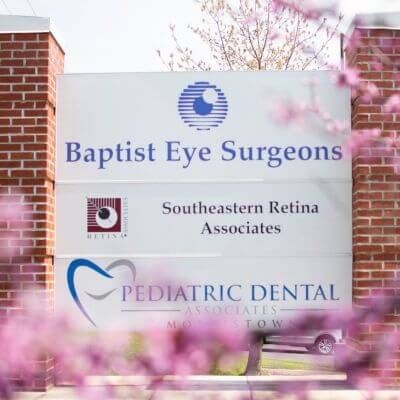
Baptist Eye Surgeons provides a community-centered environment with cutting-edge eye care services in Morristown, TN .
Hours of operation:
- Monday through Thursday, 8:00 am – 5:00 pm
- Fridays, 8:00 am – 12:00 pm
Address:
- 3001 W Andrew Johnson Hwy, Morristown, TN 37814
Contact Information:
- Phone: (423) 581-0360
- Fax: (423) 585-4244
Optical Shop
At Baptist Eye Surgeons in Morristown, TN, we go beyond medical care. We also provide Morristown and the surrounding areas with our comprehensive optical shop.
Here, you can discover frames and lenses tailored to your lifestyle. Additionally, our optical shop offers an extensive range of prescription contact lenses, accommodating various preferences from single-vision soft lenses to more advanced options.
Hours of operation:
- Monday through Thursday, 8:30 am – 5:30 pm
- Fridays, 8:30 am – 12:30 pm
Address:
- 3001 W Andrew Johnson Hwy, Morristown, TN 37814
Contact Information:
- Phone: (423) 587-2450
- Fax: (423) 585-4249
Prescription Glasses and Sunglasses
We provide a broad range of brands and styles that you’ll love, including:
- Aristar
- Coach
- Nike
- Ralph Lauren
- Ray-Ban
- Silhouette
- Vera Bradley
And that’s just scratching the surface. Our extensive range of sunglasses is tailored to suit your preferences, whether or not you require a prescription.
As dedicated eye specialists in Morristown, TN, we cater to your specific vision needs. Our lens selection includes conventional options like:
- Single-vision
- Bifocal
- Trifocal
- Progressives lenses
For those with active lifestyles, we also provide specialized lenses suitable for sports and outdoor activities. In our optical shop, you’ll find lenses with a variety of distinctive features, including:
- Durable shatter-resistant polycarbonate
- Anti-reflective coating
- Polarization
- Transition lenses
Additionally, we offer BluTech lenses designed to shield against high-energy ultraviolet and blue light. These lenses are particularly beneficial for patients dealing with macular degeneration and cataracts.
Contact Lenses
We have an extensive range of contact lenses at our Morristown location. Options include:
- Soft contact lenses
- Gas-permeable contact lenses
- Multifocal contact lenses
- Toric contact lenses
- Scleral contact lenses
The staff are very polite, courteous, and helpful. The doctors are knowledgeable in their fields of expertise. They are up to date with modern capabilities. I urge anyone with issues with their eyesight to give them a call. They diagnosed my problem immediately and promptly took care of it. – Margaret J.
REQUEST AN APPOINTMENT
Sevierville
Our Sevierville, TN ophthalmologist’s office seamlessly blends advanced technology with outstanding eye care for the local community.
Hours of operation:
- Monday – Friday, 8:00 am – 5:00 pm
Address:
- 186 Collier Drive Pigeon Forge, TN 37862
Contact Information:
- Phone: (865) 579-3920
- Fax: (865) 579-3963
We recognized the need for convenient and accessible ophthalmology services in Sevierville. Our decision to open an office here reflects our dedication to serving the eye care needs of patients in their local communities throughout East Tennessee. – Valerie Gibbs, CEO of Baptist Eye Surgeons
REQUEST AN APPOINTMENT
Meet Our Surgeons
Information for Patients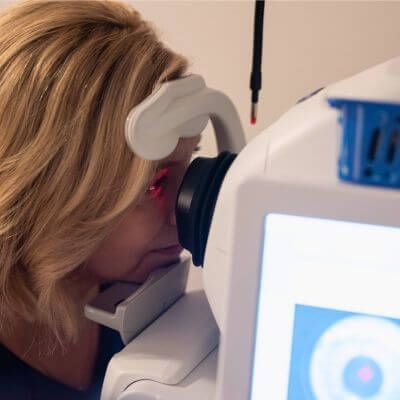
A smooth intake process is a priority for our team. To help ensure this, we offer convenient access to all necessary patient information forms online. You can easily download, print, and complete these forms prior to your initial appointment, minimizing any potential delays. If it has been a year since your last visit, we recommend completing them again.
Simply click the links below to obtain and fill out your forms:
Or click here to download all the above forms at once.
Billing and Insurance
At Baptist Eye Surgeons, we understand that your comfort goes beyond bedside manner. This is why our administrative team is available to address any inquiries you may have about billing and insurance.
Contact our insurance specialist at (865) 579-3974 to discuss your:
- Billing
- Insurance coverage
- Financial hardship
Remember to bring your insurance card for each appointment. Most Medicaid, Medicare, TennCare, and private insurance plans typically cover the majority of your medical treatments.
If you’re using private insurance or Tenncare, you will likely need a referral from your primary care physician. It’s crucial to contact your insurance provider before your appointment with us to secure the necessary referral. Failure to do so may result in rescheduling if a valid referral is not in place.
Out-of-pocket expenses may be due at the time of your appointment. These include charges not covered by your insurance, such as:
- Copayments
- Deductibles
- Refraction Fee
We accept major credit cards including Mastercard, Visa, Discover, and American Express for your convenience.
Online Payments
You have the option to make your payment online . To do so, please provide the following details:
- Your first and last name
- Account number
- Payment information
Click on “Continue” and then follow the prompts to complete the payment process.
Knowledge Resources
Just as your eyes are connected to the rest of your body, their well-being is linked to your overall health. In fact, your vision can serve as a window into underlying health conditions you might not be aware of. As ophthalmologists based in East Tennessee, we aim to provide you with a wealth of resources to enhance your understanding of various eye conditions and their treatments.
These resources come in the form of ebooks, videos, and blogs. Our ebooks serve as comprehensive guides, addressing nearly any question you may have regarding eye diseases or procedures.
Follow the links below to access and learn from our ebooks :
- The Complete Guide to Cataract Surgery: Everything You Need to Know Before, During, and After
- The Complete Guide to Glaucoma
- Your Guide to Cosmetic Eye Procedures for a Younger-Looking You
In addition, our extensive video library offers insightful interviews with our eye surgeons, where they address a wide range of eye health matters and treatments. Whether it’s LASIK or glaucoma, they’ll keep you up to date on the latest developments. You can view them on our Resources page or on our YouTube channel .
We also maintain a blog library . Every month, we publish new articles that cover the most current information on eye surgery and eye care. Whether you’re interested in delving into cataract surgery or learning about computer glasses, you’re likely to find the information you’re seeking within our blogs.
The staff were all very friendly. Wait time was minimal and testing was done quickly and efficiently. My eyes are very important to me so having a group I can trust is very important. – Christina V.
REQUEST AN APPOINTMENT
Specialties Offered by Your Ophthalmologist in East Tennessee
Your ophthalmologist in East Tennessee is proficient in handling a wide range of eye conditions. Whether it’s eye exams or problems with the cornea, our eye specialists provide you with the necessary care to safeguard or, when possible, restore your vision. They excel in pinpointing your eye issues and formulating a comprehensive plan to ensure the longevity of your vision.
Cataracts
Cataracts result from the aging-related breakdown and clumping of eye proteins, causing clouding of the lens. This hinders light from focusing on the retina, impairing vision. Even slight clouding qualifies as a cataract, potentially leading to significant vision problems.
Symptoms include:
- Blurred vision
- Faded colors
- Reduced night vision
- Light sensitivity
- Double vision
An eye exam is crucial for diagnosis and treatment planning. Cataracts progress slowly and often unnoticed. Treatments range from updated eyewear to cataract surgery , with modern techniques enabling swifter recovery for a speedier return to normalcy.
Cornea Issues
The cornea plays a vital role in focusing light onto the retina. It’s comprised of three layers including the:
- Epithelium (outer cellular layer)
- Stroma (central, robust section)
- Endothelium (inner cellular lining of the stroma)
Despite its relative simplicity, corneal damage can impact vision. Conditions like Trichiasis, Keratoconus, Fuchs Dystrophy, infections, and abrasions can affect it. Our eye surgeons offer various cornea treatments , including transplants for cases of swelling, deformation, or scarring that impairs clear vision. These procedures replace damaged tissue, restoring sight.
Cosmetic Eye Problems
As time passes, you may observe changes in the skin around your eyes. We offer various cosmetic eye procedures to combat these signs of aging, including:
- Botox
- Facial fillers
- Brow lifts
- Eyelid surgery
Botox and similar injectables relax facial muscles, diminishing furrows and lines without surgery.
Facial fillers like Juvéderm, Restylane, and Belotero plump sunken areas, reducing aging signs. Brow lifts elevate eyebrows for a youthful look, smoothing forehead skin. They can complement eyelid surgery, addressing severe drooping lids that affect vision. Eyelid surgery enhances eye appearance, applicable to lower, upper, or both lids as per your preference.
Diabetic Eye Issues
Elevated sugar levels can harm blood vessels, including those in the eyes, potentially leading to irreversible vision loss known as diabetic eye disease . As diabetes rates surge in the U.S., regular eye checks for disease symptoms become increasingly vital.
Diabetic eye disease can yield microaneurysms —fragile spots with vessel bubbles in the eyes. If left untreated, these bubbles may burst, causing blood to seep into the retina. While the blood eventually clears, residual proteins can lead to background diabetic eye issues.
Early detection through comprehensive eye exams is crucial, as regaining lost vision proves challenging. These exams enable tailored laser treatments, preserving sight.
Dry Eye Syndrome
Dry eyes may arise from allergies, weather, or a more severe condition called dry eye syndrome . It impacts the tear film which is comprised of oil, water, and mucus layers, crucial for eye protection and moisture. Disturbances in any layer can result in insufficient or incorrect tear production, leading to the syndrome.
Causes include:
- Eyelid inflammation
- Autoimmune disorders
- Medications
- Hormonal shifts
- Contact lenses
- Aging
Our ophthalmologists will conduct a precise eye exam to diagnose and devise a personalized relief plan.
Eye Exams
Comprehensive eye exams are crucial for both vision and overall health. They provide a thorough evaluation of eye structures beyond standard check-ups.
These exams detect conditions like:
- Macular degeneration
- Diabetic eye disease
- Glaucoma
- Cataracts
Those aged 40 and above should have these exams annually or every two years. With higher risk after age 50, yearly checks become necessary. Your ophthalmologist in East Tennessee offers surgical treatment for eyelid disorders, including droopy lids, congenital issues, trauma, and eye-related cancers.
Glaucoma
Glaucoma , often caused by elevated eye pressure, results in optic nerve damage. Various surgical options exist for treatment, including:
- Trabeculectomy
- Laser trabeculoplasty
- Aqueous shunt implants
- Laser peripheral iridotomy
Given that approximately three million Americans live with glaucoma, regular eye check-ups are crucial. Those above 40 with a family history of glaucoma or high eye pressure face a higher risk.
Common symptoms include:
- Eye pain
- Blurred vision
- Reduced night vision
- Mild headaches
- Diminished peripheral vision
- Occasional eye redness
Early cases may find relief through medication or laser surgery while advanced cases may require more extensive procedures. Your ophthalmologist in East Tennessee will advise you on the best course of action.
Eye Infections
Every year, millions seek medical help for eye infections . These can often stem from improper contact lens care. Swift treatment is crucial to prevent complications and further spread.
Types of eye infections include:
- Iritis
- Styes
- Shingles
- Conjunctivitis
- Infectious corneal ulcers
- Herpes simplex eye disease
These conditions share similar symptoms, requiring professional diagnosis. For accurate evaluation and specialized treatment, turn to your ophthalmologist in East Tennessee.
LASIK Surgery
At Baptist Eye Surgeons, we offer LASIK surgery . Short for laser-assisted stromal in-situ keratomileusis , LASIK is tailored to eligible patients and frees them from the need for glasses or contacts. It addresses prevalent refractive issues like nearsightedness (myopia), farsightedness (hyperopia), and astigmatism. Our precise laser intervention reshapes the cornea, enhancing focus and ensuring clear vision.
Reconstructive Eye Surgery
Issues ranging from eyelids to tear ducts may require reconstructive surgery for your eyes. Thankfully, we’re experienced at correcting these concerns, restoring both function and vision.
We handle conditions such as:
- Tumors
- Lacerations
- Impaired eye sockets
- Both upper and lower eyelids
- Excessive tearing or blockages
Opting for reconstructive eye surgery isn’t just about fixing an ocular issue — it’s about enhancing your overall quality of life.
Retina Issues
Macular degeneration is the primary vision risk for individuals above age 65 . It impacts the retina , a layer of nerve cells lining the back of the eye. The retina is responsible for detecting light and transmitting signals to the brain to form visual images. Diabetic retinopathy, retinal tearing, and detachment also pose threats to the retina.
Signs of retinal issues often include:
- Blurred or distorted vision
- Floaters in the eye
- Flashes in the eye
If you notice a sudden increase in these symptoms, it could indicate a retinal problem. Contact our Knoxville retina specialist promptly for the necessary treatment.
Great experience from the initial phone contact throughout the check-in, eye exam, and check out. I highly recommend Baptist Eye Surgeons. – Barry C.
Do you need to see one of our ophthalmologists in East Tennessee? Contact us today to schedule an appointment!
Find your new ophthalmologist in East Tennessee at Baptist Eye Surgeons. With offices in West Knoxville, Downtown Knoxville, Morristown, and Sevierville, we are committed to providing top-tier services to our community. Our team of dedicated ophthalmologists and surgeons is equipped with state-of-the-art facilities and a wealth of experience to address a wide range of eye conditions.
From routine eye exams to specialized treatments for conditions like comprehensive eye exams to eye surgery, we are dedicated to safeguarding and restoring your vision. We take pride in our comprehensive approach, ensuring that you receive personalized care tailored to your unique needs. With a commitment to excellence, we strive to exceed expectations in every aspect of care.
Baptist Eye Surgeons is an ophthalmological practice in Knoxville, TN, Morristown, TN, and Sevierville, TN. Call us at 865-579-3920 for more information or to schedule an appointment .